Show summary Hide summary
Doorsteps across India transform before Diwali’s first lights: tiny patterns of colour and grain are laid at thresholds to greet guests and mark the festival. These temporary ground-paintings — known variously as rangoli, kolam or muggu — are more than decoration; they announce hospitality, invite good fortune and connect households to long-running regional practices.
Why this tradition still matters
Rangoli occupies a practical and symbolic place: it is placed where the private home meets the public way, visible to arriving visitors and to the household itself. For many families the design signals a readiness to receive guests, blessings and the festival’s ritual focus.
Diwali rangoli essentials: quick beginner designs and the symbolism behind them
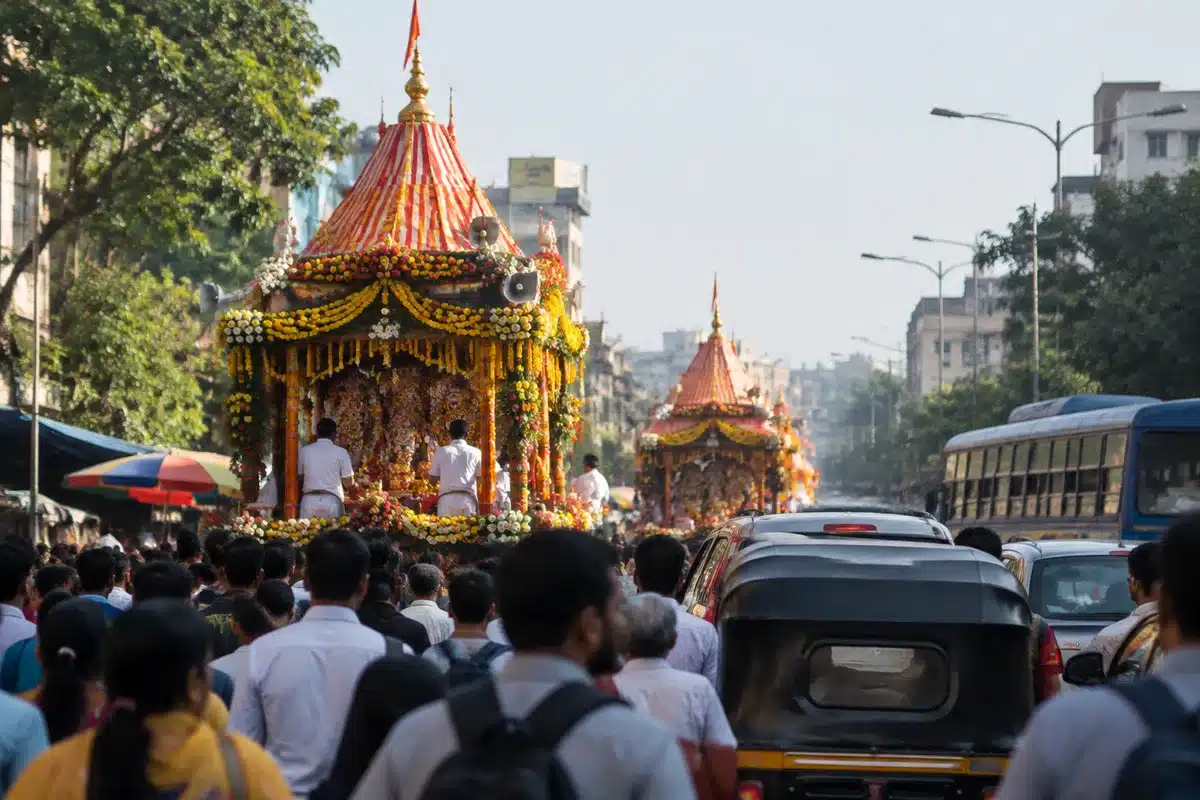
Kali festival procession snarls city traffic: commuters face major delays

Beyond symbolism, the practice fosters daily attention to the home and to neighbours: in some communities a fresh design is traced each morning during festival season. That ephemeral quality — created, enjoyed and then wiped away — is part of its appeal.
Names, regions and shared themes
Across India the form and materials shift but the aim remains consistent. In Tamil Nadu the patterns called kolam are often drawn with rice flour at dawn; in Andhra and Telangana the same practice is known as muggu. Bengal’s alpana, Odisha’s jhoti and Maharashtra’s rangoli each have distinct motifs and rules, yet all welcome light, luck and visitors.
There is also a long-standing practical layer: many traditional recipes use rice or pulses, which can feed small wildlife. That blend of beauty and benign utility keeps the ritual rooted in household life.
Motifs to try (easy to learn)
- Dot grid (pulli kolam): set a small grid of dots and weave continuous lines around them — start with a 5×5 layout.
- Lotus: concentric petal rings that echo the flower associated with prosperity.
- Single diya: a central lamp shape with radiating strokes; simple and symbolic.
- Peacock
- Geometric borders: repeating triangles or squares to frame an entrance.

Materials: traditional vs modern
The palette ranges from household staples to shop-bought powders. Below is a quick comparison to help decide what to use.
| Type | Common ingredients | Pros | Cons |
|---|---|---|---|
| Traditional | Rice flour, turmeric, crushed petals, pulses | Biodegradable; feeds small birds and insects; culturally rooted | Less vivid colours; can wash away quickly |
| Modern | Prepared coloured powders, synthetic pigments | Bright, easy to use; quick results | Potentially toxic if low-quality; not always eco-friendly |
| Floral | Fresh marigold, rose, chrysanthemum petals | Fragrant, compostable, attractive texture | More costly; wilts through the day |
How to make a simple rangoli
Rangoli is forgiving by design. If a line slips, sweep it smooth and try again — the act of making is the point.
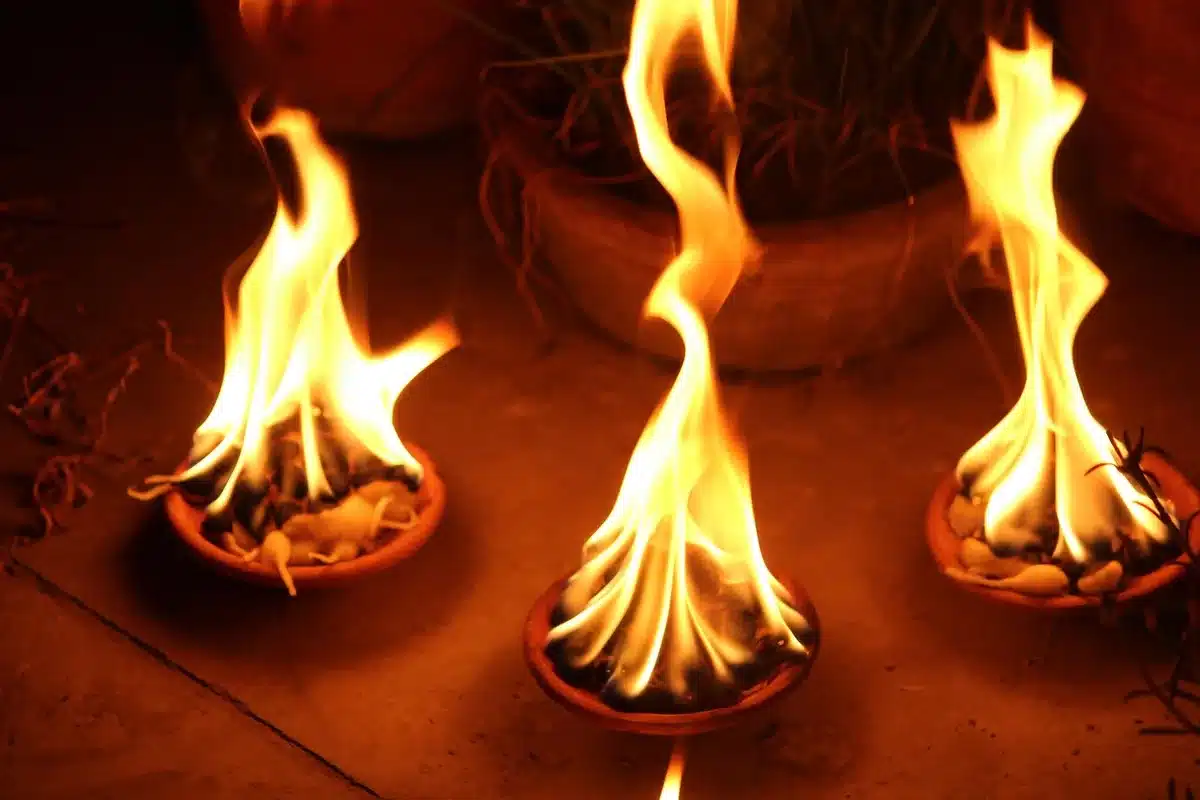
Start with a clean, dry patch of floor at the threshold. Lightly mark a central point or a dot grid with chalk or a sieve for even dots. Work from the centre outward: let thin streams of powder fall from between your fingers or use small spoons for more control. Finish touchlines with a thin white border to sharpen colours and, if you like, place small lamps or clay diyas at dusk.
Practical tips and contemporary concerns
If you choose commercial powders, look for products labelled non-toxic and skin-safe — important when children are helping. Flower-based rangoli offers a low-waste option: petals can be composted after the festival.
Stencils and kits sold before Diwali are a pragmatic entry point for novices and families with limited time; they don’t diminish the ritual value. What endures is the communal aspect: neighbours sharing designs, children learning patterns, and daily repetition that keeps the practice alive.
Whatever method you pick, rangoli remains a living tradition: transient, communal and adaptable to modern concerns about safety and sustainability. On festival mornings, those colour traces at the door still do what they always have — announce welcome, invite light, and mark the day as different from the ordinary.