Show summary Hide summary
Across homes in India the Satyanarayan puja remains a quiet, adaptable ritual: performed to mark milestones, to give thanks, or to seek blessings before a new beginning. Its appeal today lies in accessibility—no special lineage or costly paraphernalia is required—and in the way the ceremony binds family events, from weddings to housewarmings, to a shared act of gratitude.
When people choose to perform it
The puja is most commonly held on a full-moon day or on Ekadashi, but calendar rules are flexible. Families call it for life’s turning points: a job, a journey, a child’s birthday year, recovery from illness or as a yearly observance of thanks. What matters more than the date is the intention behind the rite: sincerity in the vow, and keeping the promise made during the ceremony.
High Court rules people cannot claim government land for cemetery use
Mysuru Dasara unites India: landmark celebration observed nationwide
Essentials you can pick up locally
- Image or symbol of Satyanarayan (an idol, picture, or Shaligram).
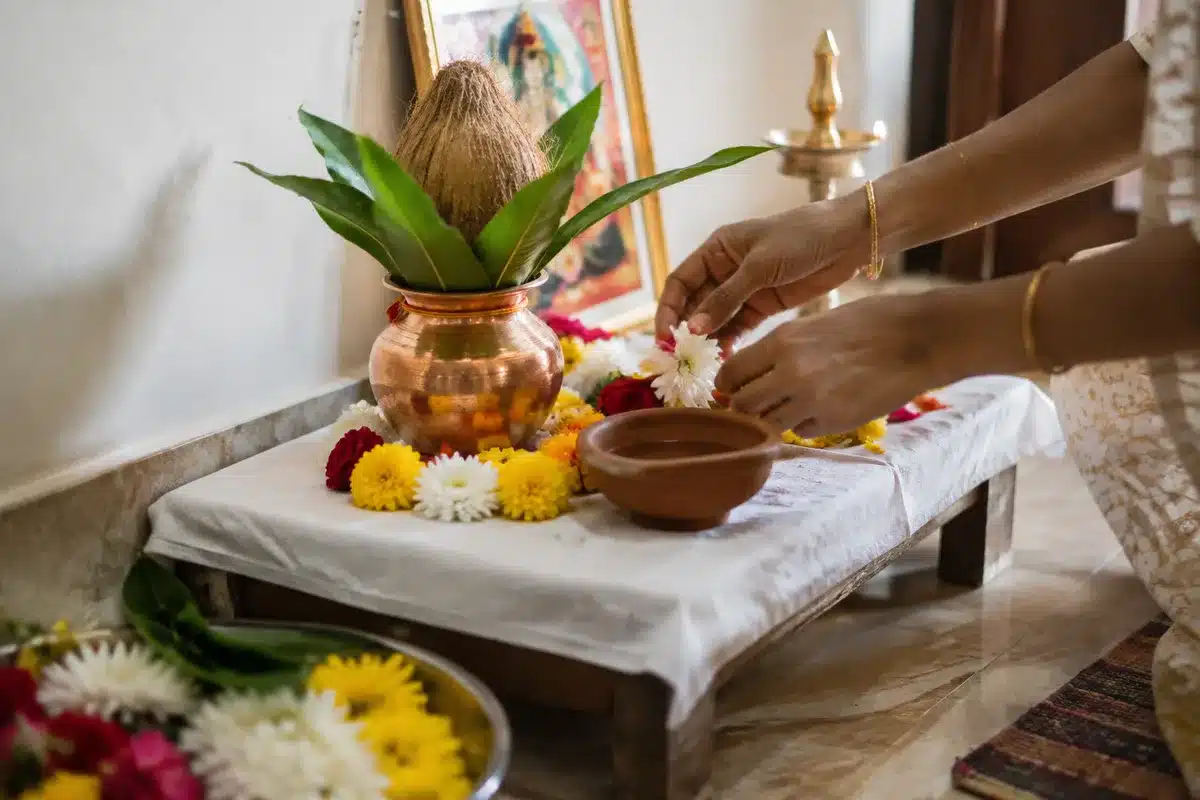
- A small raised platform or altar with a clean cloth and a kalash (water pot) topped with mango leaves and a coconut.
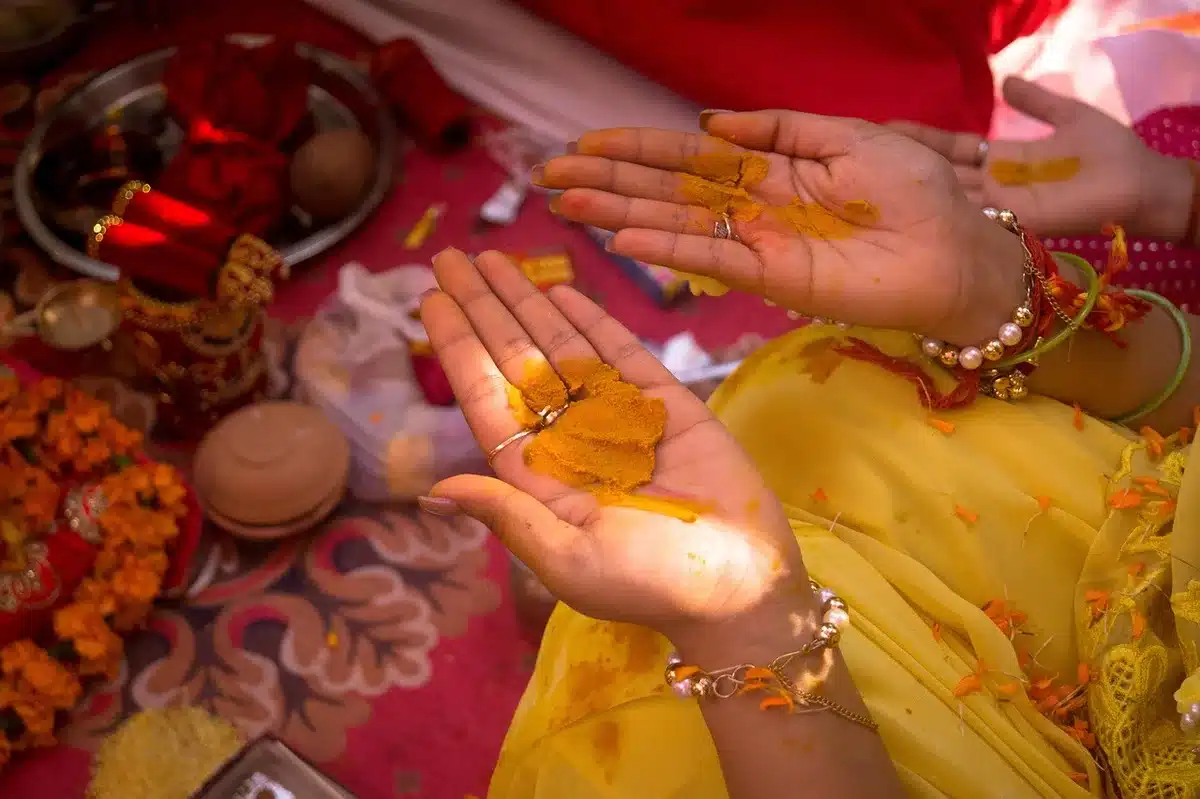
- Traditional materials: haldi, kumkum, akshata (unbroken rice), chandan, flowers and tulsi leaves.
- Panchamrit: a mix of milk, curd, honey, ghee and sugar for the offering.
- Offerings and ritual items: fruits, bananas, coconut, ghee lamps, incense and camphor.
- Prasad: the sweet sheera (also called sapada bhakshya), made in the traditional equal-parts style using rava, ghee, sugar, milk and banana.
How a typical home puja unfolds
Below is a practical sequence used by many households; regional and family customs will modify details.
1. Prepare and purify. The day usually begins with bathing and cleaning the puja space. The altar is set facing east or north. Cleanliness in body and environment frames the ritual.
2. State the sankalpa. With water, rice and a flower in the palm, the head of the family or the person performing the puja declares the sankalpa: who is performing the rite, where and on which tithi, and the purpose—thanksgiving or a specific wish. This spoken intention organizes the ceremony.
3. Invoke Ganesha and remove obstacles. A short invocation to Ganesha, with akshata and flowers, opens the ritual to ensure the proceedings go smoothly.
4. Kalash and planetary observances. The kalash is honored as a vessel of the divine; often the Navagrahas (nine planets) are acknowledged with symbolic offerings.
5. Main worship and offerings. The deity is invited into the image or the kalash. Worship typically includes chandan, flowers, tulsi leaves, incense, lamp-lighting and the offering of panchamrit and fruit.
6. The Katha — the ritual’s core. Central to the puja is the reading or listening to the Satyanarayan Katha, traditionally presented in five parts. Through a set of stories—about promises honored or neglected—it emphasizes two persistent lessons: keep your vow, and never disrespect the prasad. For many households, listening to the Katha is the heart of the vow-keeping process.
7. Aarti and distribution of prasad. The ceremony concludes with aarti and the distribution of sheera to everyone present. Cultural practice stresses that prasad should be accepted and consumed with respect; it is not to be wasted or discarded.
Common practical questions
Can a family perform the puja without a priest? Yes. Many households run the puja themselves using a printed book, a recorded Katha or an online recitation. A priest is helpful but not mandatory; the rite’s validity rests on intent, not on a required intermediary.
Must it be on Purnima? No. While Purnima and Ekadashi are customary days, the ceremony is frequently scheduled to match a specific event or family convenience.
What if someone can’t be present or the prasad runs out? Families typically keep a share of prasad for absent members; food distributed as prasad should be treated with respect rather than discarded.
Why the ritual endures
At its simplest, the Satyanarayan puja is a domestic act of thanks. When life’s milestones arrive—good or hard—families gather, make an intention, receive what they sought and acknowledge it together. The ritual works as a social glue: it marks transitions, affirms commitments and teaches continuity through story and shared food.
In contemporary India the puja’s flexibility has helped it persist. Digital recordings, online guides and local markets make it easy for people with busy lives to observe the vow without needing specialist training. That portability keeps the ceremony relevant: it’s less a formal obligation than a practical, communal way to express gratitude and to remind a household of the promise it has made.