As societies reckon with widening inequality, pandemic fatigue and a renewed focus on mental health, ancient Hindu teachings about giving and service are finding fresh relevance. These practices—rooted in ideas of inner continuity and communal responsibility—offer concrete ways to rebuild connection and purpose today.
At the heart of several Hindu traditions are two practices: dana (almsgiving) and seva (selfless service). Far from being only ritual obligations, classical texts present them as disciplines that reshape how people relate to possessions, suffering and one another.

One compact story from the Srimad Bhagavatam captures the point. A man who had gone without food for many days kept sharing the tiny portion he had with successive strangers until nothing remained for himself. He told those watching that his deepest wish was not mystical power or escape from rebirth, but to stand alongside others in hardship until they were relieved. His contentment came from giving, not acquiring.
High Court rules people cannot claim government land for cemetery use
Mysuru Dasara unites India: landmark celebration observed nationwide
That moral feels immediate now. Economic uncertainty and fractured social ties mean many readers are confronting choices about how to use limited time and resources. Treating giving as a practical habit—rather than a grand, occasional gesture—can change daily life and local communities.
- Why this matters today: Regular acts of care reduce isolation, strengthen civic networks and can improve wellbeing for both givers and recipients.
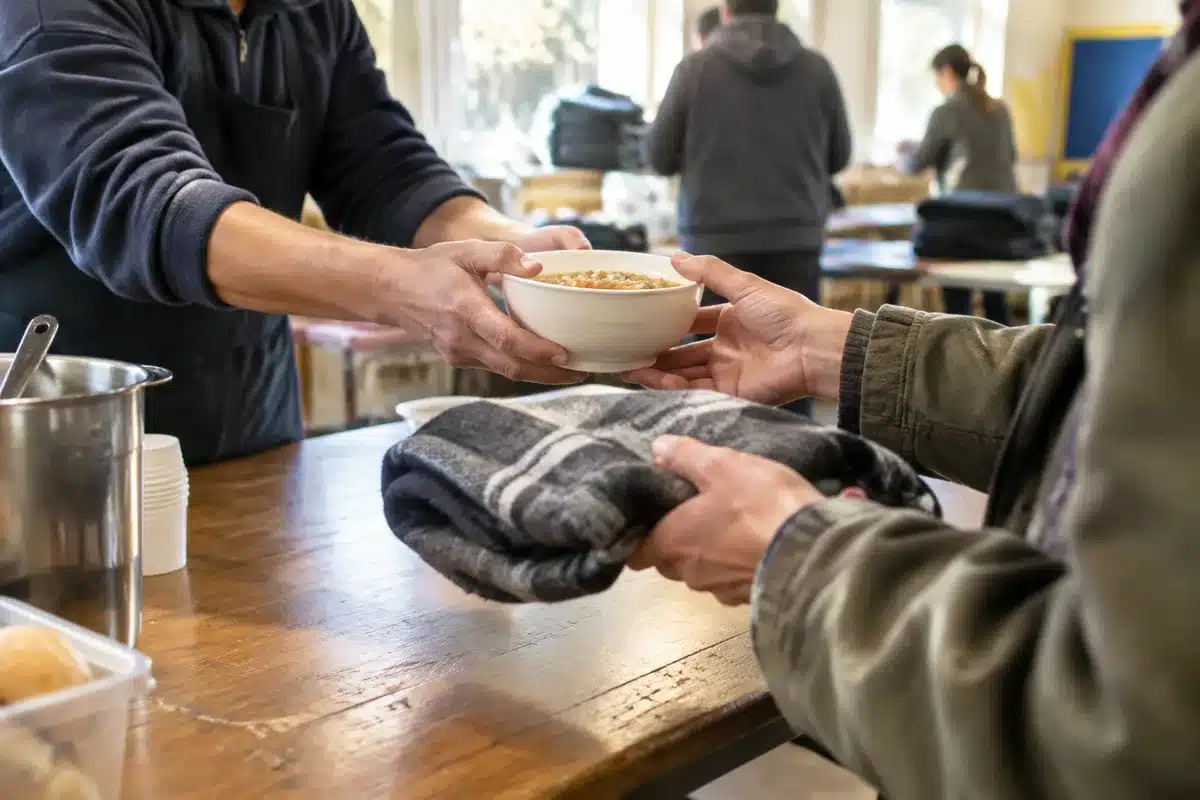
- Practical result: Small, consistent giving—volunteering a few hours, sharing a meal, or contributing modestly to mutual aid—scales into measurable support where it’s needed most.
The theology behind these ideas centers on the notion of an enduring self: the atman. If all beings share a common source, the suffering of another is not remote; it becomes a direct concern. From that view, charity is not merely charitable—it’s an expression of relational truth.
Still, the ideal of complete renunciation illustrated by enlightened figures is rarely achievable for most people. Contemporary welfare systems and modern living complicate how generosity looks in practice. That makes gratitude a useful, accessible entry point: acknowledging what we have tends to produce the desire to return value to others.
Here are some realistic steps to practice giving without dramatic lifestyle change:

- Keep a short daily gratitude list (two or three items) to shift focus from scarcity to sufficiency.
- Commit to a predictable habit—an hour a week volunteering or a small monthly donation—so generosity becomes routine.
- Share time and skills: mentoring, tutoring, or offering neighborhood support can be as impactful as money.
- Create shared experiences—community meals, neighborhood clean-ups or cooperative childcare—to build reciprocal ties.
- Reflect occasionally on impact: check whether actions address real needs rather than personal comfort or status.
Adopting these practices can produce both personal and civic payoffs. Research in psychology links gratitude and prosocial behavior to lower stress and improved relationships; communities with higher rates of mutual aid are better able to withstand shocks.
For readers weighing how to respond, the takeaway is straightforward: generosity need not be heroic to be meaningful. Small, steady acts anchored in appreciation and a sense of connectedness can reshape how we experience purpose—and how we support one another—during difficult times.
Ancient scriptures framed giving as a path out of samsara, the cycle of repeated want and dissatisfaction. Today, when many are searching for ways to restore meaning and social cohesion, the same practices offer a practical roadmap: cultivate gratitude, make service habitual, and prioritize relationships over accumulation.