Show summary Hide summary
When Krishna names a month in the Bhagavad Gita—“Maasaanam Margasheershoham”—he singles out a time of year he calls his own. In 2026 that designation lands on two related but distinct periods: the lunar Margashirsha and the Tamil solar Margazhi, bringing shared rituals, temple festivals and a practical prompt for winter devotion.
Two calendars, two windows into the season
The Hindu year is measured by different clocks. This winter those differences matter because they determine when communities begin their dawn practices, when temple rites are observed, and when key Ekadashi dates fall.
High Court rules people cannot claim government land for cemetery use
Mysuru Dasara unites India: landmark celebration observed nationwide
| Calendar / Region | Month name | 2026 dates | Notable observances |
|---|---|---|---|
| North India (purnimanta lunar) | Margashirsha | 25 Nov – 23 Dec 2026 | Gita recitation, Mokshada Ekadashi (Gita Jayanti) |
| Tamil Nadu (solar) | Margazhi | 16 Dec 2026 – mid-Jan 2027 | Andal’s Tiruppavai, Vaikuntha Ekadashi, Arudra Darshan |
Why this matters now
For readers who observe these traditions—or follow India’s ritual calendar professionally or culturally—2026 is notable because both traditions concentrate major observances in the same short window. In both systems, the month invites a disciplined, daily practice that often begins before dawn; in practical terms that means changes in temple schedules, early-morning gatherings, and community relief efforts to help people through the cold weeks.
What tradition asks of the believer
Across the subcontinent these weeks are framed less as a festival season and more as a period for steady devotion. The tone is inward: early rising, purifying baths at daybreak, quiet recitation and small, daily disciplines rather than single grand gestures.
Several practices are especially emphasized:
- Rise during the Brahma muhurta—the pre-dawn hour—and perform a morning ablution.
- Recite the Gita in Margashirsha, or sing a verse of the Tiruppavai in Margazhi; many take one chapter or hymn a day.
- Observe the month’s Ekadashis: this year both Mokshada Ekadashi and Vaikuntha Ekadashi coincide on Sunday, 20 December 2026.
- Support those affected by winter: donations of blankets, fuel or food are repeatedly commended in vrata literature.
- Prefer modest, repeatable commitments over infrequent, elaborate observances.
Local customs, shared lesson
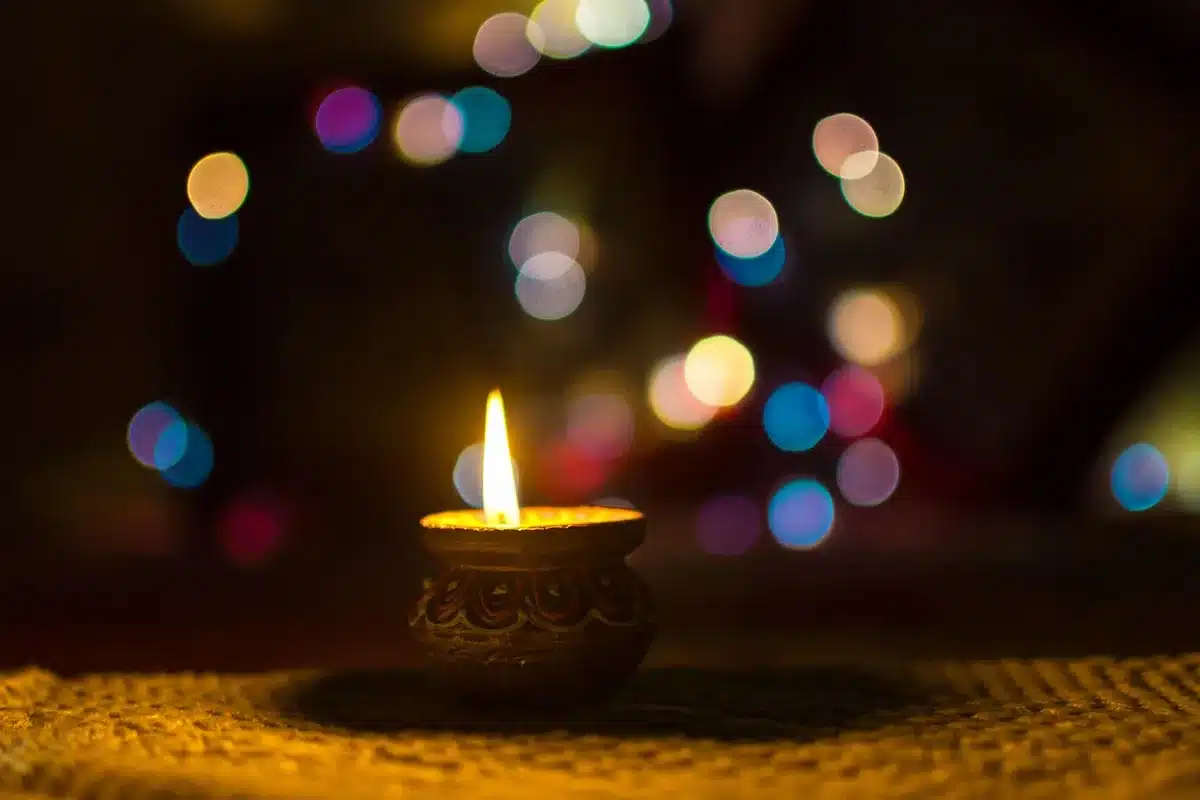
In North India Margashirsha follows Kartik—the month of lamps—and shifts attention from outward celebration to internal discipline. In Tamil Nadu the month of Margazhi is keyed to Andal’s thirty hymns, which are sung at dawn in homes and temples from the first day through the month’s end.
Temples mark the season with distinctive rites: Vaikuntha Ekadashi opens Vishnu’s mythic gate in many Vaishnava centres, Arudra Darshan celebrates Shiva’s cosmic dance in Chidambaram, and Sabarimala’s Mandala season continues its pilgrimage rhythms. These are different expressions, but they point to a common idea: winter is a time for steady attention rather than spectacle.
A practical note for planners and visitors
If you travel to attend temple services or plan community relief during these weeks, expect earlier schedules, larger dawn crowds at major shrines, and coordinated charity drives. For heritage and cultural reporters, Margashirsha/Margazhi offers a concentrated period when rituals and temple calendars change noticeably—useful for timing coverage.
Finally, the month’s spiritual invitation is simple and concrete: make the everyday into practice. The season favors rhythm over fervour, small acts repeated until they become the habit of devotion.