Producer Ektaa Kapoor has publicly raised concerns about what she describes as bias against overt expressions of Hindu faith within the entertainment world, saying that wearing one’s religion openly often draws scrutiny. Her comments come as she prepares to release a new film that draws directly from traditional stories, underscoring an ongoing debate about cultural visibility in mainstream media.
In recent remarks to the press, Kapoor framed her experience as part of a larger pattern she called Hinduphobia, noting that her visible religious practice has sometimes been judged by peers and critics. She said the response has not been uniform, and acknowledged a slow but perceptible shift toward greater acceptance of religious and cultural themes in entertainment.
The timing of Kapoor’s comments is notable: her upcoming project, The Vvaan, reportedly weaves together elements of regional lore and classical myths. By foregrounding local narratives, the film will test how contemporary audiences and industry gatekeepers respond when creators place faith and folklore at the center of a commercial release.
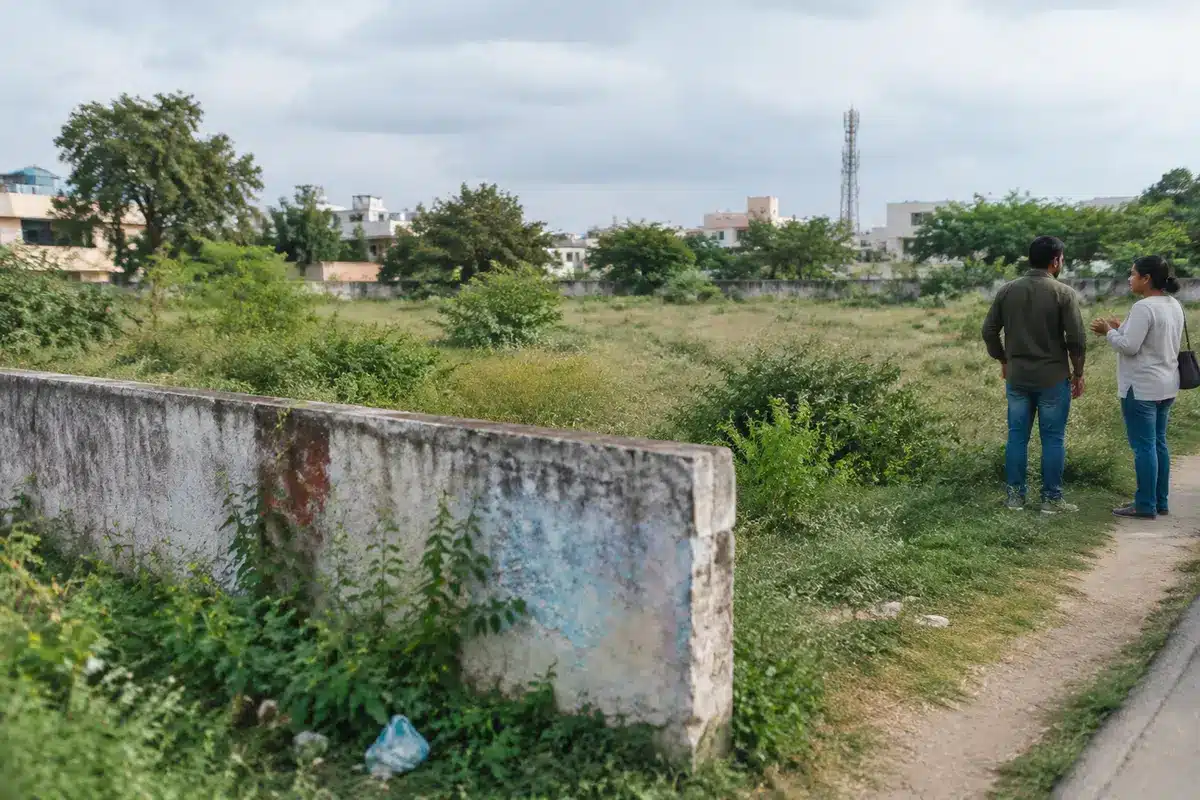
High Court rules people cannot claim government land for cemetery use
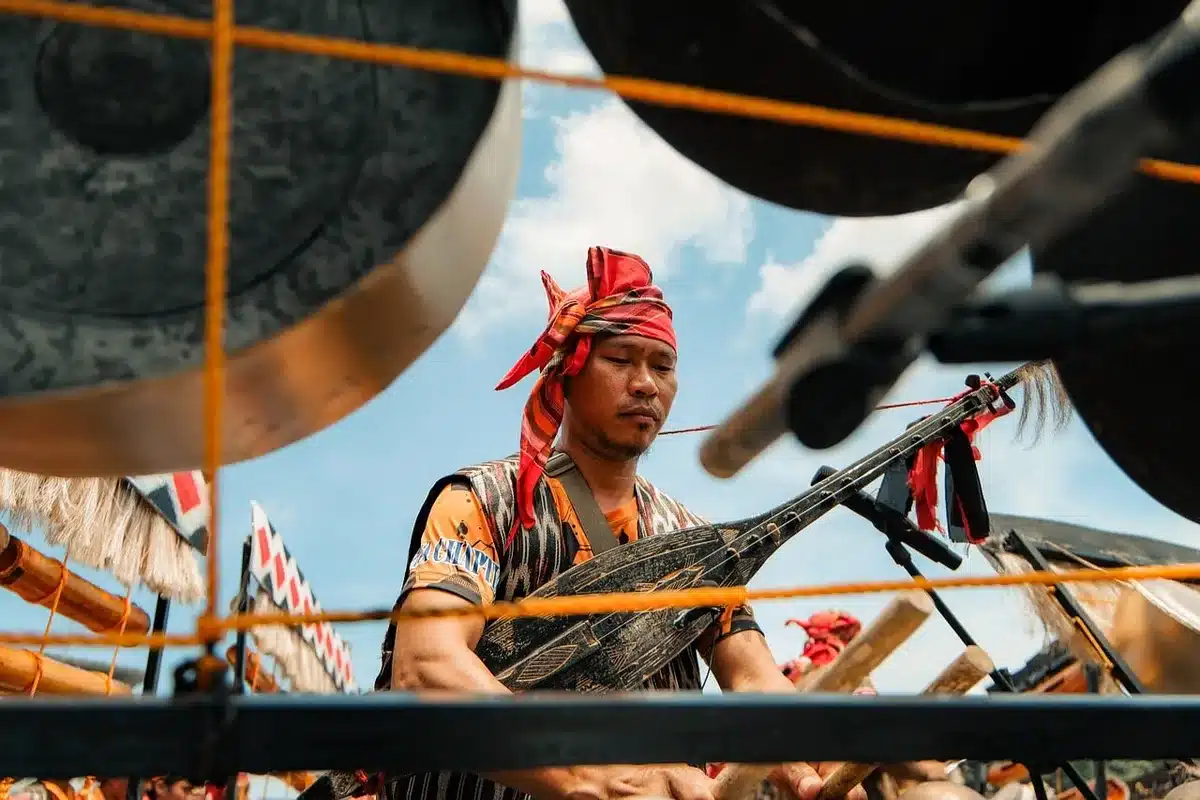
Mysuru Dasara unites India: landmark celebration observed nationwide
Why this matters now: debates around cultural representation influence what stories get made, who is hired to make them, and how those works are distributed and promoted. If filmmakers feel constrained about expressing religious identity, it can narrow the range of perspectives seen on screen and change the kinds of projects that reach wide audiences.
The reaction to Kapoor’s remarks has several practical implications for the industry and viewers alike:

- Creative decisions — Producers may alter scripts, characters, or marketing to avoid controversy, which can dilute culturally specific storytelling.
- Production dynamics — Directors, writers and talent from diverse religious backgrounds may face pressure to downplay personal beliefs to secure projects or funding.
- Distribution and promotion — Platforms and studios weigh potential backlash when deciding release strategies, affecting visibility for films like The Vvaan.
- Audience engagement — Viewers’ responses, measured through box office, streaming numbers and social media, will shape whether culturally rooted films gain traction.
- Critical framing — How critics contextualize faith-based elements can influence a film’s reception beyond its artistic merits.
Kapoor did not isolate the issue to one side; she credited gradual improvements in acceptance while also pressing the industry to allow creators more freedom to express personal cultural identities. That dual note—acknowledgment of progress combined with a call for continued openness—frames the conversation as one of both achievement and unfinished work.
Observers say the performance of films that foreground specific cultural or religious themes will be an important barometer. Box-office returns, streaming viewership and critical discussion around The Vvaan are likely to be watched closely as indicators of whether audiences embrace or reject more explicitly faith-inflected storytelling.
Beyond commercial metrics, this episode highlights a broader editorial and social question: how should the cultural industries balance sensitivity, inclusivity and the artistic freedom to explore religion as a lived, public identity? Kapoor’s statements have reignited that discussion, pushing industry leaders and audiences to reconsider where the line between representation and reticence should fall.
As the release of The Vvaan approaches, the film’s reception will offer a fresh data point in an evolving debate over cultural expression in entertainment—one with implications for creators, platforms and the public conversation about identity on screen.