
Show summary Hide summary
This Navaratri season, a South Indian ritual that centers the feminine divine is quietly reminding immigrant communities how traditions shift — and why those shifts matter now, as families juggle work, school and preserving heritage. One scholar who has celebrated these festivals across two continents describes how a childhood practice became a civic and educational tradition in Florida.
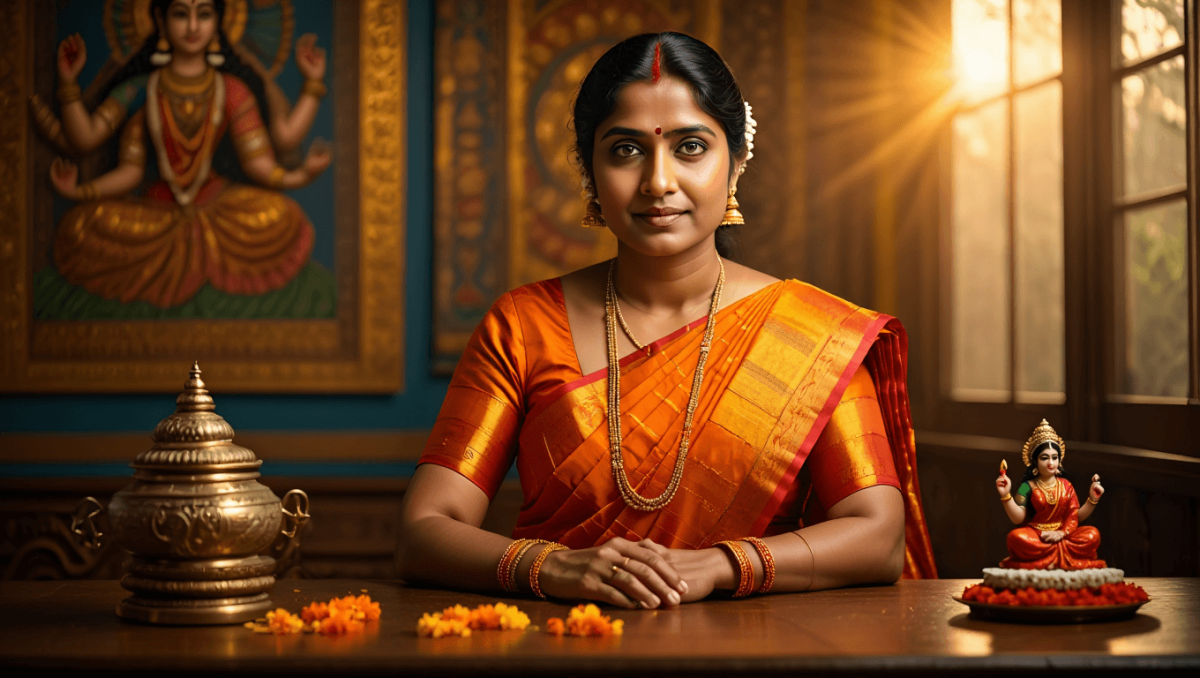
In Hindu theology, creative energy is often personified alongside masculine divinity: the life-giving force that animates the world appears in many feminine forms. That dynamic is at the heart of Navaratri, a nine-night festival that honors the strength, compassion and restorative power associated with goddesses across regional traditions. The cycle commonly culminates in Vijayadashami, while other communities mark the period by recalling Rama’s victory — a version in which Sita’s devotion is central to the story.
Vasudha Narayanan, who moved to the United States in 1975 and is a Distinguished Professor of Religion at the University of Florida, has observed Navaratri since childhood. She recalls large, multigenerational family celebrations and explains how those practices evolved once she settled in Gainesville.
Gurdwara memorial for Muslim signals interfaith unity
Yogi brands Ansari’s comments an attack on Indian culture
From attic dolls to statewide gatherings
Growing up, Narayanan’s family would bring out a staged display of figurines and miniature scenes each year. The arrangement — known in parts of South India as golu — involved careful placement, imaginative dioramas and community visits. Where she once arranged rows of dolls at her grandparents’ home, she later recreated that ritual for her own children, adapting the tradition to include sons when local expectations suggested it was primarily a women’s practice.
When she began hosting a Navaratri program in Gainesville in 1986, it started with a handful of South Indian families and homemade displays. Word spread: within a few years people were traveling from across the state to attend. What had been a small family observance expanded into an event that drew roughly a hundred guests at its peak and eventually inspired multiple hosts and neighborhood rotations during the nine days.
What the festival looks like — and how it differs by place
Navaratri customs vary widely across India. In parts of Karnataka, Tamil Nadu and Andhra Pradesh the golu display and home-to-home visits are central components, while other regions emphasize public processions, dance or large-scale temple worship.
- Golu: Tiered displays of dolls and scenes that invite storytelling and hands-on creativity.
- Puja: Ritual worship that may be private or part of small home gatherings.
- Prasad: Food offerings distributed after devotional songs or performances.
- Symbols such as kumkum (vermilion), haldi (turmeric) and sandalwood paste, which are exchanged as tokens of blessing and welcome.
- Regional variations: from Bengali Durga puja ceremonies to Gujarati garba dance nights — practices Narayanan began attending and incorporating into her own experience after moving to the U.S.
The American context transformed some rituals. With a smaller South Indian population in Gainesville during the 1980s, Narayanan’s gatherings became cross-cultural sites where different Hindu communities — Bengali, Gujarati and South Indian groups among them — shared space and traditions. She also used the events as an educational opportunity, bringing students to observe the range of practices and to appreciate the religion’s internal diversity.
Practical pressures and the value of continuity
Observing nine nights of celebration in a country that does not typically grant leave for such festivals presents logistical challenges. Narayanan notes the physical and scheduling strain of coordinating performances, visitors and the labor of setting up elaborate displays, especially when most attendees must also manage jobs and school. Yet she emphasizes that the hard work is offset by the social bonds those efforts sustain.
Contributions from friends and family have turned Narayanan’s display into a collective collection over decades. She describes a steady flow of former guests who reconnect during Navaratri, sharing memories and reinforcing the sense that these gatherings create communal belonging across generations.
For readers paying attention to how immigrant communities maintain cultural practice, Navaratri in places like Gainesville illustrates two trends: rituals adapt to new social realities, and festivals become vehicles for cultural education, not only celebration. The story of one scholar’s efforts to preserve and broaden her festival underscores how personal devotion and public life intersect, especially when traditions travel.