
Show summary Hide summary
A throwback video of veteran writer and lyricist Javed Akhtar praising the inclusive character of Hindu traditions resurfaced online this week, drawing renewed attention to how festivals and rituals function in India’s public life. In the short clip, Akhtar—who has publicly identified as an atheist—frames celebrations such as Holi and Diwali as shared cultural practices rather than strictly religious rites.
Why the resurfaced clip matters
At a time when debates over religion and identity often dominate headlines, comments from a prominent cultural figure can shift the tone of the conversation. Akhtar’s remarks underline a familiar but sometimes overlooked point: public festivities can operate as social glue that brings people with different beliefs into common space.
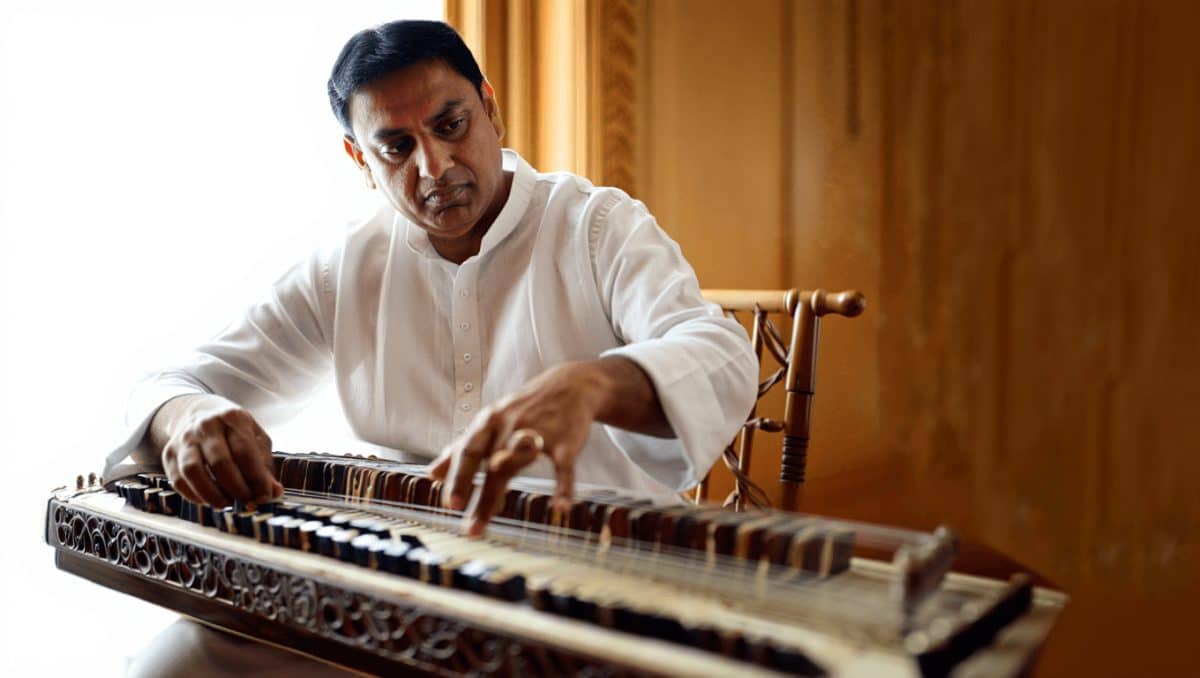
Tarun Bhattacharya: santoor maestro calls music India’s chief cultural envoy
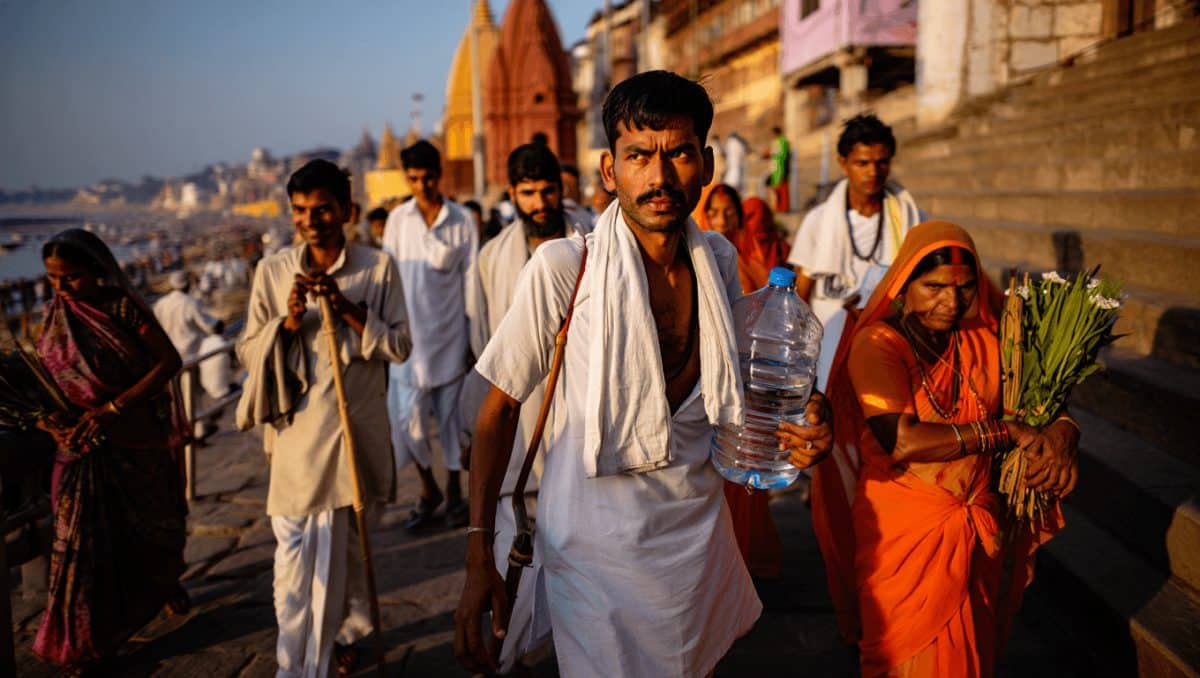
Kashi to Kedarnath costs revealed: how much a Sawan pilgrimage will set you back
His stance is straightforward: participation in seasonal and family celebrations does not require uniform faith. By taking part in festivals with his family and colleagues across the film industry, Akhtar illustrates how rituals can be appreciated for their social and cultural meanings.
- Openness to diversity: He emphasizes that Hindu practices historically accommodate a variety of beliefs and philosophical outlooks.
- Cultural, not only religious: Festivals such as Holi and Diwali are presented as expressions of shared heritage and community life.
- Personal practice: Akhtar’s own observance with friends and family shows how cultural participation crosses faith lines.
- Public resonance: The clip’s online spread demonstrates ongoing public interest in how culture and religion intersect in everyday life.
Reactions and wider implications
Social media responses to the video have been mixed: many users praised the reminder that cultural practices can be inclusive, while others used the moment to reassert clear religious boundaries. The resurfacing of the clip has reopened conversations about the role of tradition in a plural society.
Statements by influential artists often carry weight beyond the moment. When a well-known voice frames festivals as social rituals, it can influence how people think about belonging, public celebrations, and how cultural heritage is preserved or adapted.
For readers, the practical takeaway is simple: cultural celebrations can serve multiple purposes—spiritual, communal and symbolic—and prominence given to that idea by public figures helps keep those nuances visible in national debates.