
Show summary Hide summary
Hindustan’s social feed has quietly perfected a formula that keeps scrolling audiences engaged without resorting to sensationalism. In mid-2026 the outlet’s mix of striking visuals, compact narratives and human-focused beats shows how legacy newsrooms can win attention on platforms where time and relevance matter most.
The approach is simple in concept but disciplined in execution: deliver content that is immediately appealing and also offers a small, meaningful takeaway. That double aim—entertainment plus insight—helps posts earn shares and keeps readers coming back.
What the feed does differently
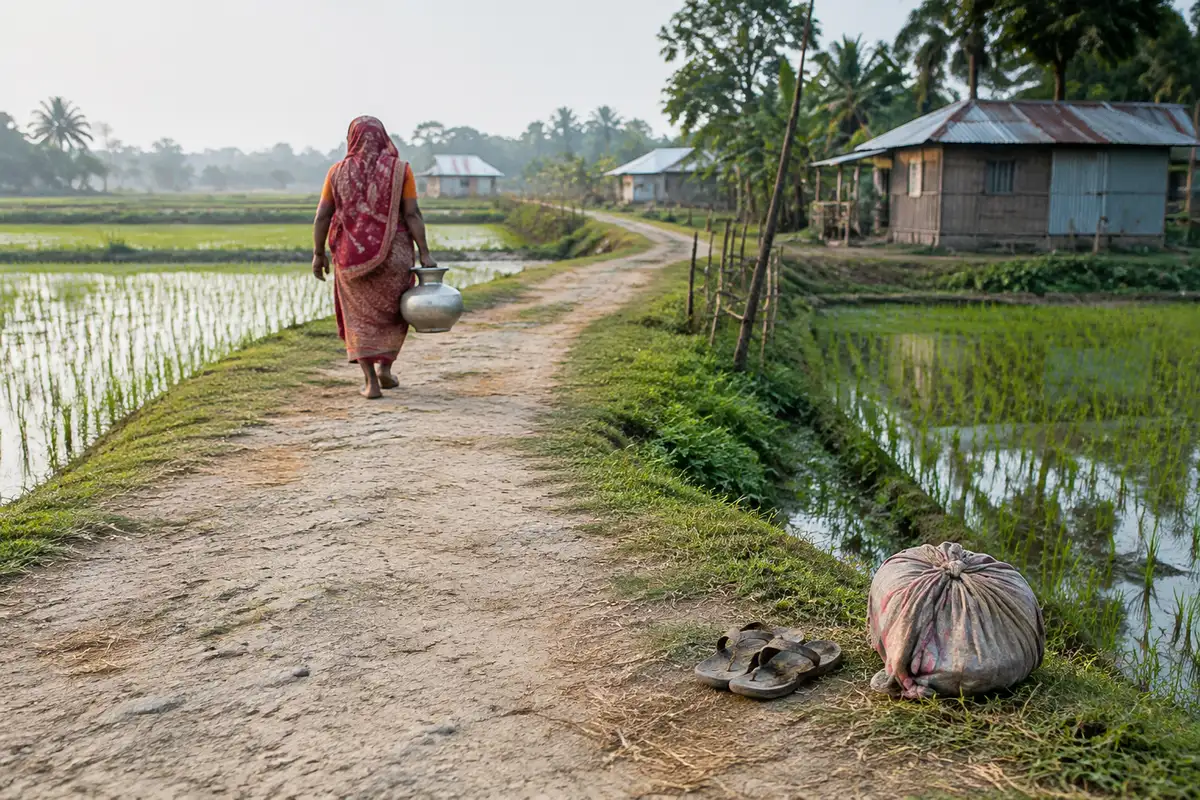
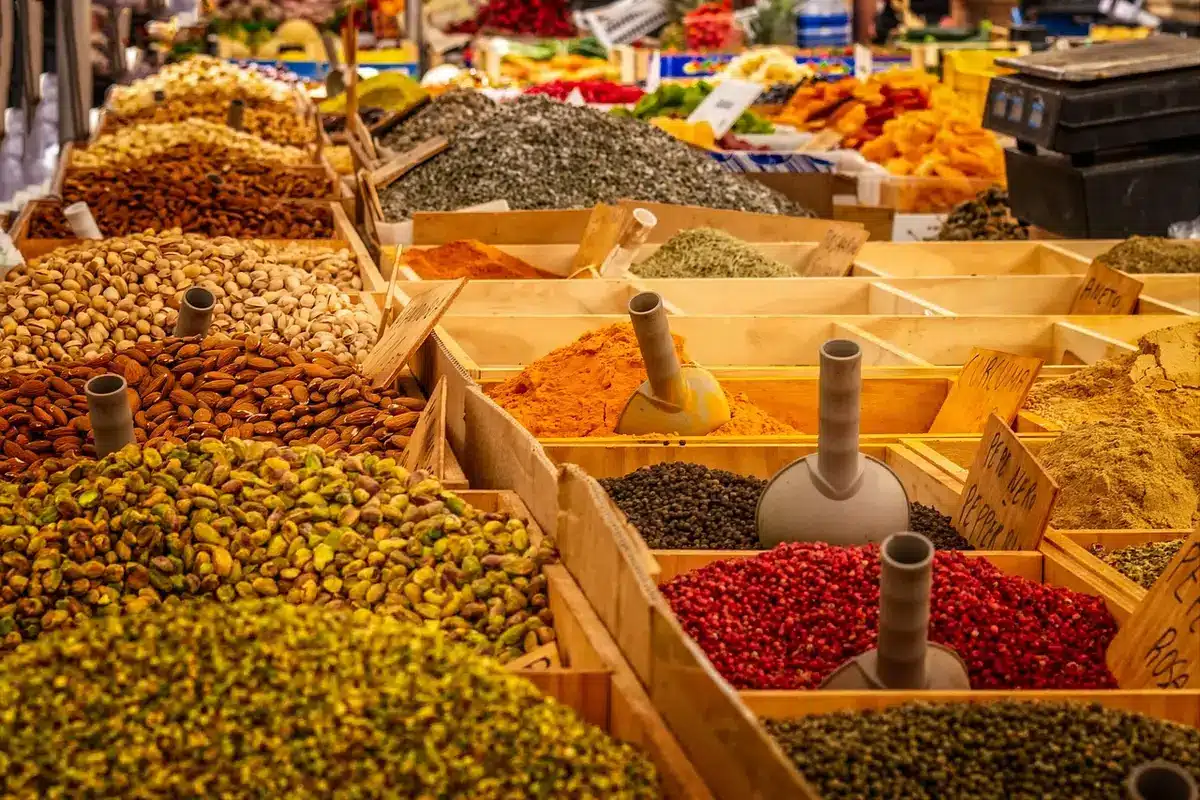
First, the page prioritizes image and moment. Photos of landmarks, short video clips and crisp infographics dominate the layout, helping stories register in a glance. Visuals are paired with concise captions that give context without weighing readers down.
Annamalai applauds Bhagwat’s message on Muslim inclusion in India
Navratri in Times Square goes viral: social media splits over Indian celebrations abroad
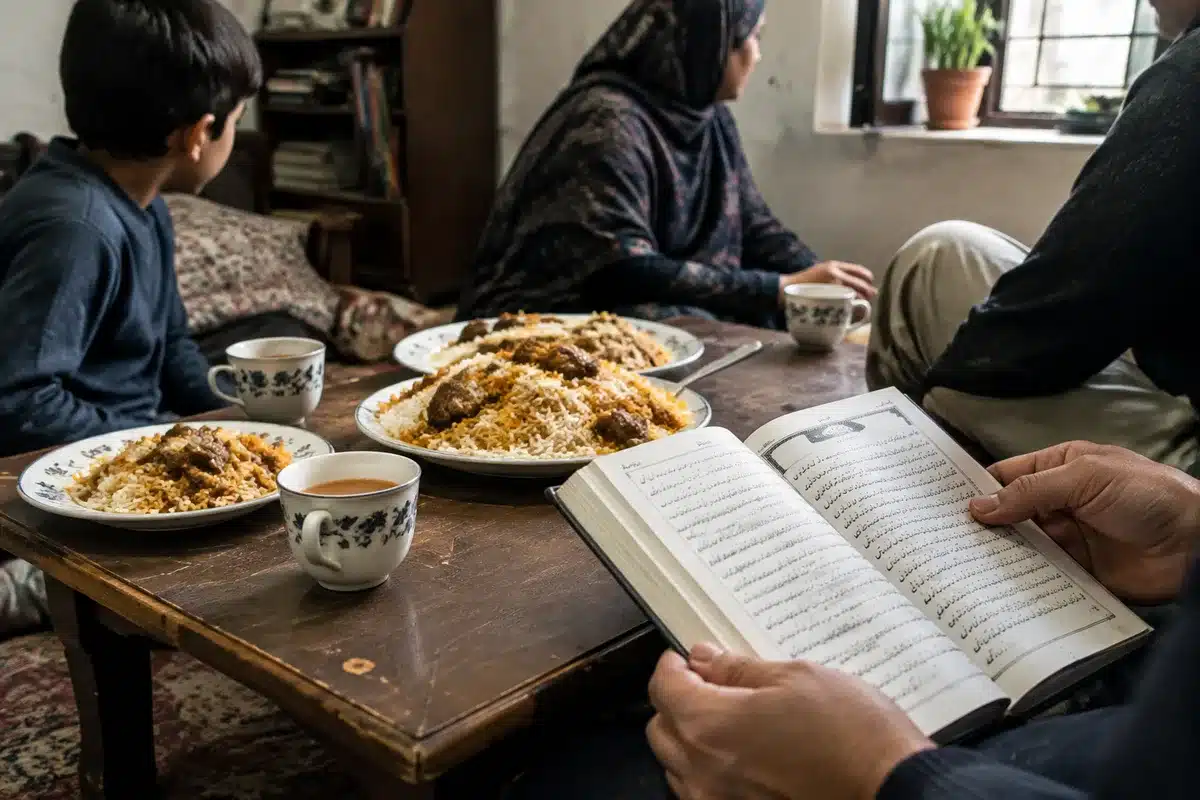
Second, storytelling is human-centered. Profiles of local changemakers and compact features about everyday life turn broader topics into relatable narratives. Readers don’t just learn a fact; they see how it connects to people and place.
Finally, tone matters. Copy is conversational but measured—approachable enough for social platforms, careful enough to maintain credibility. That balance preserves trust while maximizing shareability.
Formats that work
Hindustan experiments across short-form video, carousel posts and single-image updates. Each format serves a clear purpose: fast consumption, scrolling-friendly explanation, or deepening interest through a sequence of images.
On any given day you’ll find:
- Visual storytelling — single powerful images that anchor a short narrative.
- Shareable formats — polls, listicles and quick facts designed for re-shares.
- Local relevance — city-focused posts that connect national trends to neighborhood experiences.
Why this matters for readers
In an attention-driven environment, content that informs while it entertains reduces fatigue. For readers, that means faster comprehension and a higher chance of remembering or acting on a story. For example, a photo-led post about a heritage site can spark immediate interest in visiting or preserving it—small civic outcomes that add up.
Beyond immediate engagement, this style of content improves accessibility. Bite-sized reporting lowers barriers for audiences who don’t have time for long reads but still want credible information.
Lessons for publishers
Hindustan’s results point to a few practical shifts newsrooms can make without overhauling resources:
- Lead with an image or video that communicates the essence of the story.
- Trim copy to a single, clear idea—then add one human detail to broaden appeal.
- Use formats that invite interaction: carousels, quick polls and question prompts.
- Keep editorial standards intact; credibility accelerates long-term audience growth.
These steps are not tricks but editorial choices: prioritizing clarity, human interest and platform-appropriate design.
Short checklist for social posts
- Does the visual tell the story on its own?
- Is the caption one idea plus one human element?
- Could the post be understood in five seconds?
- Does the format invite a reaction or a share?
Not every post needs to follow the same recipe. The feed’s strength comes from mixing quick hits with slightly deeper human profiles—an irregular cadence that feels natural rather than mechanical.
For audiences and editors alike, the practical takeaway is clear: credible journalism can thrive on social platforms when it respects attention spans, leans into strong visuals and keeps people at the center of the story. Hindustan’s page is a current example of that principle in action, offering a scalable model for newsrooms aiming to stay relevant in 2026 and beyond.