Show summary Hide summary
Maha Shivaratri is one of the most widely observed nights in the Hindu calendar, a moment when millions pause to reflect on transformation, sacrifice and the balance of forces in life. As communities around the world prepare for the festival each late-winter season, its stories and rituals offer both spiritual meaning for believers and cultural insight for anyone observing the celebrations.
What the night marks
Maha Shivaratri — literally “the great night of Shiva” — falls in the final month of the lunar year, typically between February and March. The date aligns with the waning moon’s transition to the new moon and is traditionally seen as a time for inward focus and renewal.
Verify pandit online: quick checks to vet priests and protect your puja
Bangladesh: five decades after genocide, diversity and rights remain elusive
The festival brings together several overlapping ideas rather than a single origin story. It is simultaneously a commemoration of a cosmic act, a moral example of service, and a celebration of a sacred partnership that symbolizes creative balance.
Shiva’s dance: change as a cosmic rhythm
One of the central images tied to this night is Shiva as the cosmic dancer, often called Nataraja. In this role, the deity’s movement represents the continuous cycle of creation, preservation and dissolution — not chaos for its own sake, but a structured process in which endings make new beginnings possible.
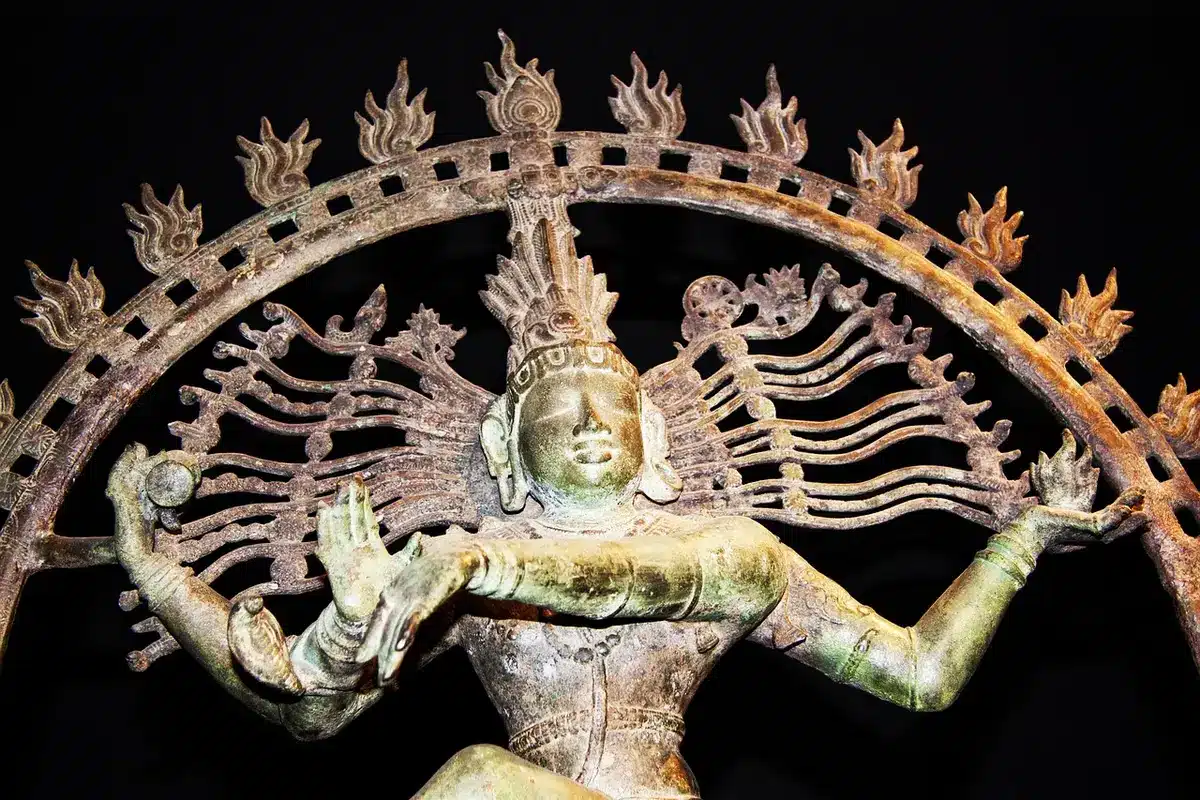
For many devotees, this idea is practical as well as symbolic: letting go of what no longer serves to make room for personal growth. That interpretation is reflected in devotional practices and even in cultural arts, where poses and dances inspired by Shiva emphasize balance and controlled release.
The poison and the blue throat
Another story commemorated on Maha Shivaratri comes from accounts of the ocean’s churning, a myth in which gods and demons cooperate to obtain immortality. During that churning a lethal toxin emerged and threatened all life.
Shiva intervened by swallowing the poison to protect the cosmos, holding it in his throat and changing its color — a detail that gives him the epithet Nilakantha (blue-throated). For believers, the episode models self-sacrifice and the idea that great leaders may accept hardship to shield others.
Union of energies: Shiva and Parvati
The festival also recalls the union of Shiva and Parvati, a pairing that represents complementary forces — often described as masculine and feminine energies or consciousness and creative power. Their relationship appears in several classical stories and is invoked as a symbol of generative balance.
In some narratives this union has world-saving consequences, underlining how individual relationships are woven into larger moral and cosmological themes within Hindu tradition.
How devotees observe Maha Shivaratri
Practices vary widely by region and community, but certain observances are commonly associated with the night:
- Fasting: Many observers fast for the day and night to cultivate discipline and clarity.
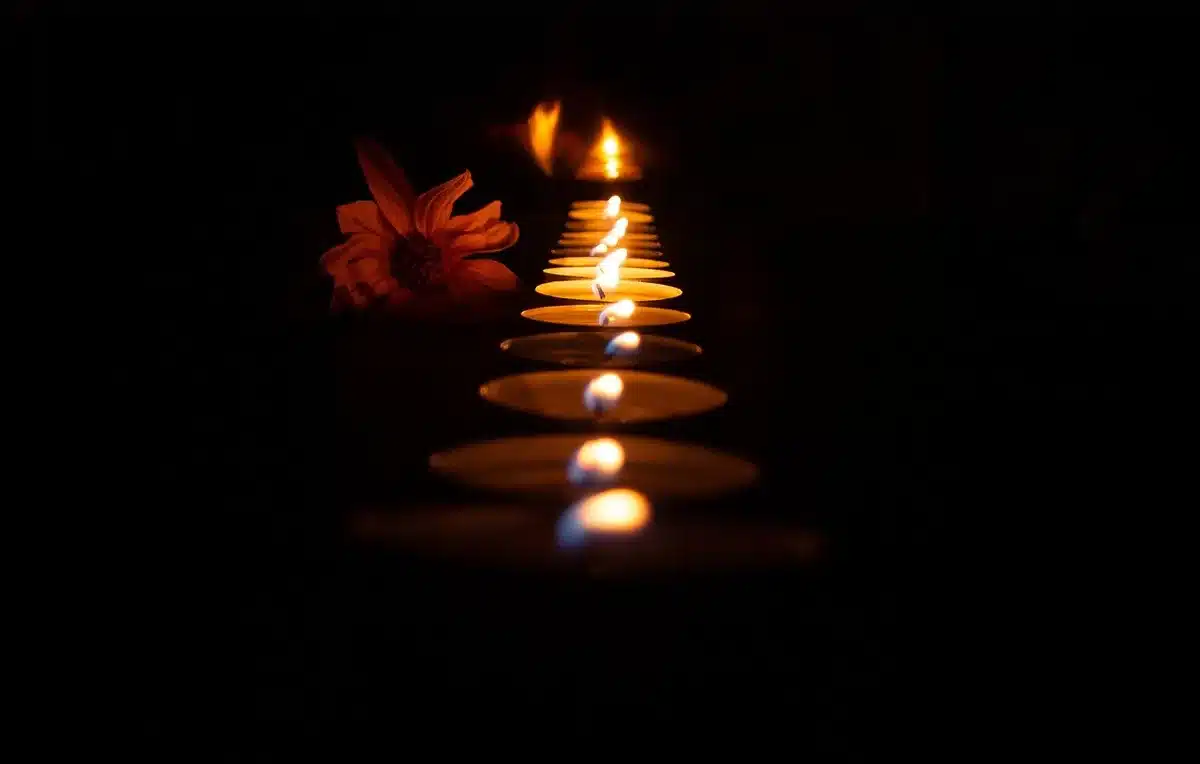
- Night vigils and meditation: Staying awake to chant, meditate or perform puja is a central practice, reflecting vigilance and devotion.
- Worship of the Shivalingam: Offerings of water, milk, flowers and incense are made to the icon representing Shiva and Parvati.
- Bhajans and hymns: Devotional songs are sung through the night in homes and temples.
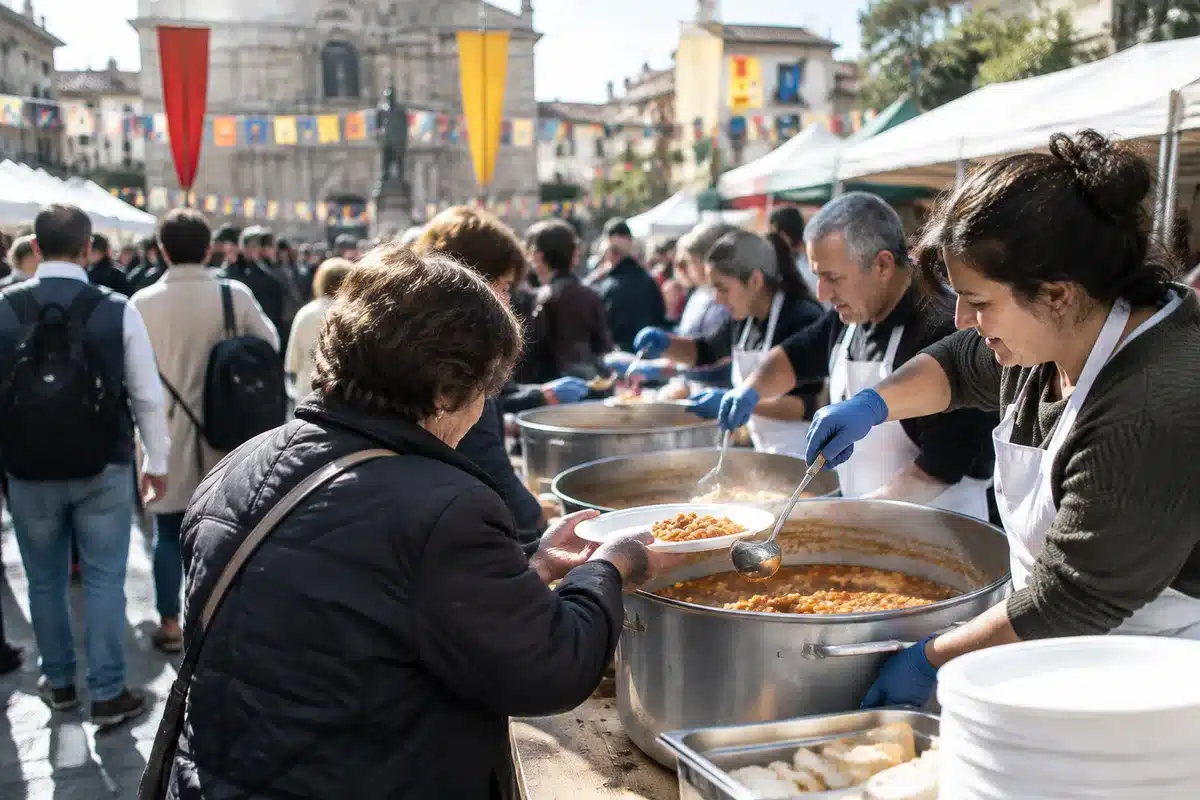
- Regional rites: Some communities observe extended ceremonies; for example, Kashmiri Pandits mark an extended period culminating in the Vatuk Puja and community feasting.
Regional variety and social meaning
Local customs shape how Maha Shivaratri looks on the ground. In temple towns, pilgrims gather for large public rites; in family settings, smaller-scale prayers and shared meals prevail. For many, the festival is also an occasion for renewal of social ties — visiting relatives, exchanging greetings and participating in communal celebrations.
The festival’s adaptability is part of its endurance: it can be observed as a deeply private spiritual discipline or as a public cultural event, and both dimensions coexist across the Hindu world.
Why it matters now
Maha Shivaratri continues to resonate because it frames change as an intrinsic and necessary part of life, a theme that feels especially relevant during uncertain times. Whether observed as a night of austerity, music, or community gatherings, the festival offers a ritualized way to confront endings and to prepare for fresh beginnings.
For non-devotees, awareness of Maha Shivaratri provides a clearer view of contemporary religious practice and cultural continuity across South Asia and the diaspora. For practitioners, the night remains a deliberate pause — an annual opportunity to let go, recalibrate priorities and renew spiritual resolve.