Show summary Hide summary
As India’s food economy tilts into a fresh round of competition, shoppers, small traders and food companies are already feeling the ripple effects. The clash unfolding in late 2026 will determine not just prices and menu choices but how groceries and meals are sourced, governed and delivered across the country.
Why this fight matters now
The battle is not only commercial — it is structural. A mix of heavy investment in logistics, new retail alliances, widening digital adoption among neighborhood stores and renewed scrutiny from regulators has accelerated change this year. That convergence makes today’s moves consequential for everyday budgets, food safety standards and the survival of traditional traders.
Verify pandit online: quick checks to vet priests and protect your puja
Bangladesh: five decades after genocide, diversity and rights remain elusive
Who’s on the front line
The contest pits several types of players against one another. Food delivery platforms and cloud kitchens are jockeying for urban meal spend and subscription loyalty. Large conglomerates and supermarket chains are expanding private-label ranges and direct sourcing. Meanwhile, a fast-growing cohort of grocery apps and enterprise platforms is trying to digitize the millions of independent kirana stores that remain central to Indian shopping habits.
Smaller food manufacturers and regional suppliers are being squeezed from both ends — under pressure to cut prices while also investing in stricter quality controls demanded by organized buyers. The result is a multi-front struggle: market share, supply-chain control and customer data are all at stake.
What consumers can expect
For shoppers, the immediate consequences are concrete: more aggressive discounting in cities, expanded one-hour delivery windows, and an increase in private-label options on supermarket shelves and apps. In rural and peri‑urban areas, improved logistics promise faster availability of fresh produce, but gains may be uneven.

- Lower advertised prices in many urban corridors as platforms subsidize orders to build loyalty.
- More bundled services — grocery subscriptions, bundled meal plans and co-branded financial offers.
- Proliferation of private labels that aim to undercut national brands on price and margins.
- Greater focus on traceability as buyers demand digital records for food safety and provenance.
Supply chains and cost pressures
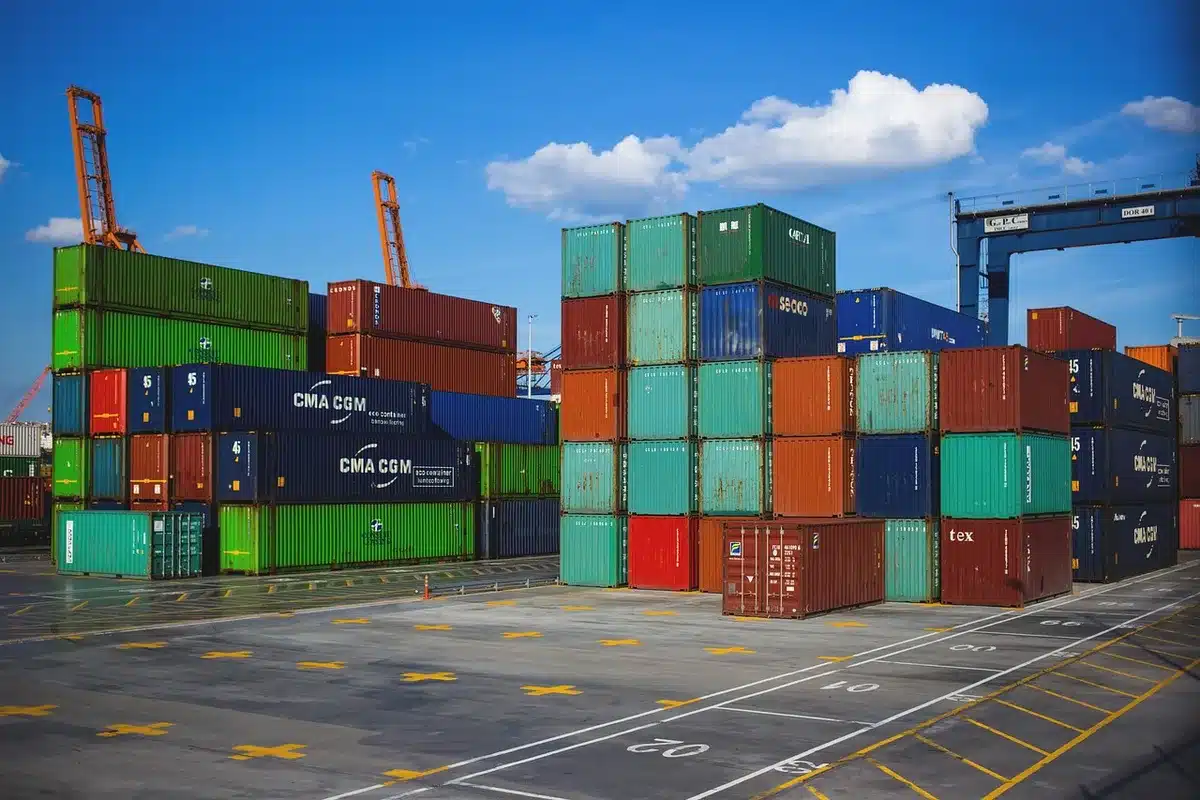
Logistics and cold‑chain investments are central to this war. Cheaper transport and better storage reduce spoilage and allow companies to reach new markets, but those improvements require heavy upfront capital and skilled operations. Smaller suppliers that cannot afford upgrades risk losing buyers or being forced into unfavorable contracts.
At the same time, input-cost volatility — from farm-gate prices to fuel — is forcing companies to rethink procurement strategies. Some are consolidating sourcing, others are experimenting with contract farming, and a few are locking long-term purchasing agreements to stabilize margins.
Where regulators will matter
Competition on this scale attracts attention. Regulators are likely to scrutinize discounting practices, data sharing between platforms and merchants, and the rise of dominant private-label sellers. Food-safety enforcement and labelling rules may tighten, especially where consolidation concentrates buying power in a few hands.
| Actor | Typical strategy | Immediate impact |
|---|---|---|
| Food-delivery platforms | Subscription offers, logistics expansion, cloud kitchens | Faster meals, urban discounts, pressure on restaurant margins |
| Supermarkets & conglomerates | Private labels, direct sourcing, store-network growth | Lower-priced packaged options, tougher competition for brands |
| Kirana digitization platforms | Inventory, credit and procurement tools for small stores | Improved availability locally; shifting negotiation power |
| Regional manufacturers | Specialty products, niche supply chains | Opportunities in local markets; margin vulnerability |
Risks and trade-offs
Greater efficiency can reduce waste and lower prices, but centralization concentrates risk. A few dominant distribution networks increase vulnerability to supply shocks, and aggressive price competition can erode margins across the chain, endangering small producers and outlets.
There is also a cultural dimension: the informal networks that deliver personalized services and fresh local produce might shrink if they cannot adapt fast enough to digital procurement and compliance demands.
Outlook: several paths ahead
This “food war” could play out in different ways. One scenario sees consolidation around a handful of integrated players that combine retail, logistics and data — a model that can bring scale efficiencies but squeeze competitors. Another sees a more fragmented outcome where nimble regional operators and digitally enabled kiranas hold ground through specialization and community ties.
For policymakers and industry leaders alike, the immediate priority will be balancing scale-driven efficiency with safeguards for fair competition, food safety and livelihoods. For consumers, the coming months will deliver clearer signals: whether cheaper, faster food will arrive with better quality and choice, or whether consolidation will narrow options over time.