Show summary Hide summary
On Oct. 7, 2026, veteran writer and public intellectual Javed Akhtar questioned whether most people genuinely choose their religion or simply inherit it as family tradition, sparking renewed debate about faith, reason and identity at a time when such conversations are increasingly prominent in public life. His comments — framed as a critique of unquestioning allegiance and of broad claims that all faiths are interchangeable — underline tensions between personal conviction and inherited belief.
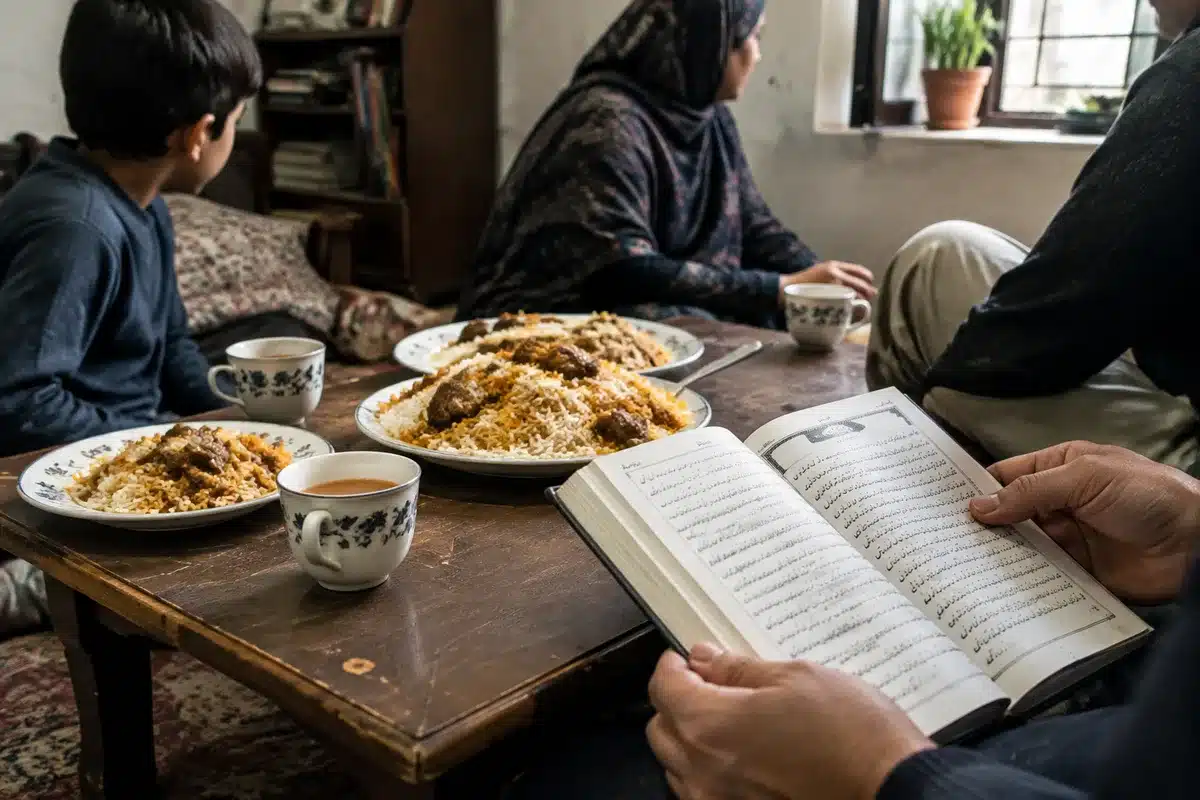
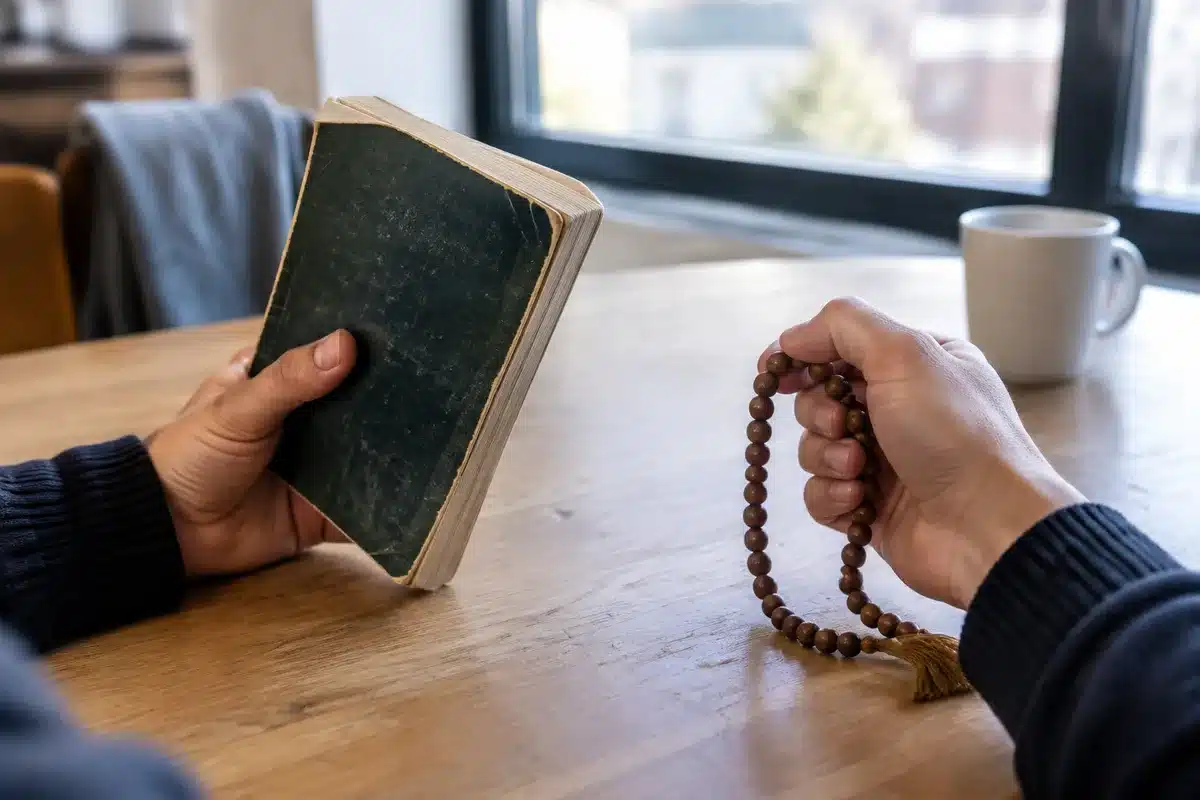
Akhtar argued that many people accept the religion they are raised in without rigorous reflection. He suggested that while religion can offer comfort and community, comfort does not equate to factual validity, and accepting doctrines uncritically can be problematic.
What he said and why it matters now
Speaking this week, Akhtar pushed back against two common assumptions: first, that individuals usually arrive at religious beliefs through deliberate inquiry; second, that all major faiths are essentially the same. He described the latter position as unhelpful, noting distinct teachings and traditions across religions. His stance takes on fresh significance amid current debates over secularism, education and social cohesion.
Verify pandit online: quick checks to vet priests and protect your puja
Bangladesh: five decades after genocide, diversity and rights remain elusive

As a well-known atheist and outspoken commentator, Akhtar has a public record of questioning religious orthodoxy. His remarks feed into wider conversations about how societies balance respect for religious diversity with the need for critical thinking and individual autonomy.
- Inherited belief: Many people follow the religion of their family with little conscious choice.
- Rational thought: Akhtar urged that reason and personal conviction should guide belief, not just custom.
- Religious pluralism: He rejected simplistic claims that all religions are identical, pointing to doctrinal differences.
Implications for public life
Akhtar’s comments touch several practical issues. In classrooms, they raise questions about how religion and critical thinking are taught. In politics, they feed debates over policies that privilege particular faiths or treat religion as a private matter. On a personal level, his view encourages introspection: do people arrive at belief through evidence and reflection, or through habit and social pressure?
| Claim | Akhtar’s position | Practical consequence |
|---|---|---|
| People freely choose their faith | Skeptical — many inherit beliefs | Calls for stronger religious literacy and education |
| All religions are essentially the same | Disagrees — highlights doctrinal differences | Complicates efforts to present universalized views of faith |
Observers note that voices like Akhtar’s do not merely critique belief systems; they also prompt discussion about how societies nurture critical thinking while safeguarding freedom of conscience. His comments are likely to reverberate in public debates, media conversations and institutional discussions about religion and education.
Whether one agrees with his analysis or not, the core question he raises is straightforward and timely: should religious identity be treated as a default inherited from family and culture, or as a position that requires personal examination? That question underpins ongoing debates about citizenship, rights and social harmony in many countries today.