Show summary Hide summary
For nearly two decades in Chikkamagaluru, a woman named Jubeeda has taken the lead in organizing the town’s Ganeshotsav, turning an annual religious celebration into a shared civic ritual. Her role matters now: at a moment when public festivals can shape local relations, this long-running effort offers a working example of everyday communal harmony and grassroots leadership.
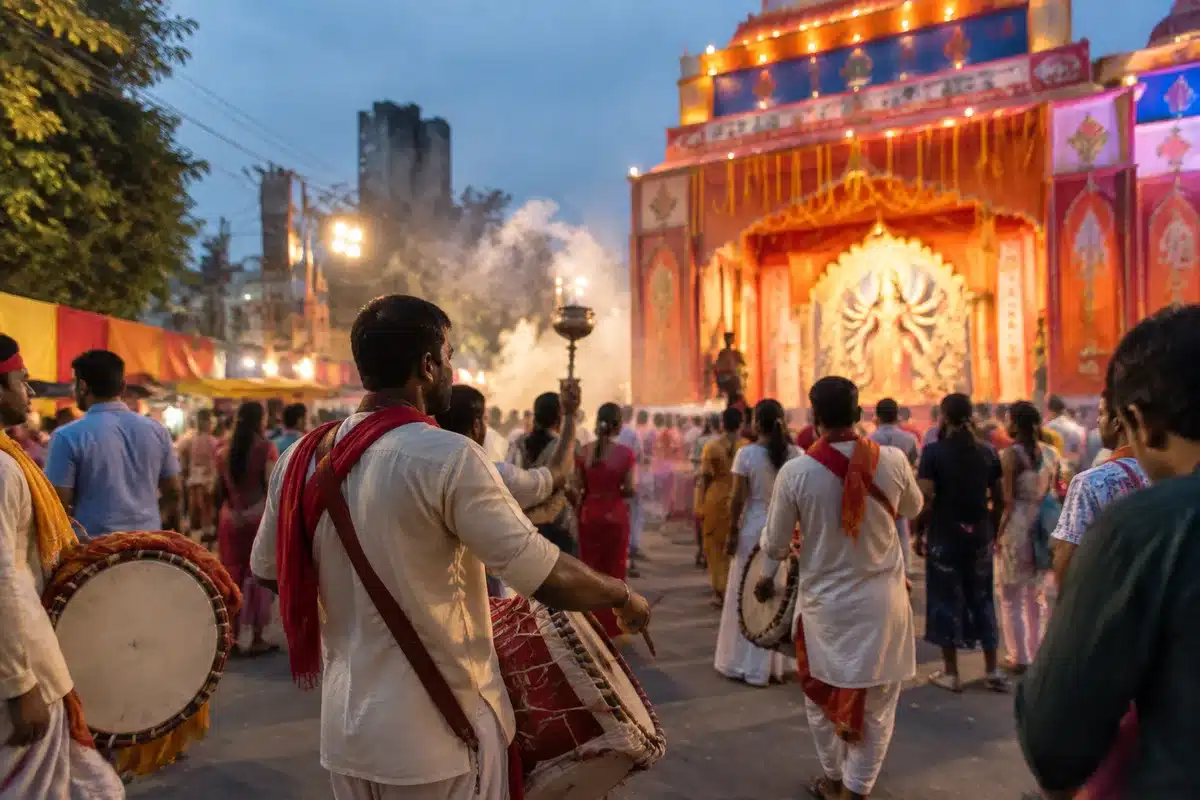
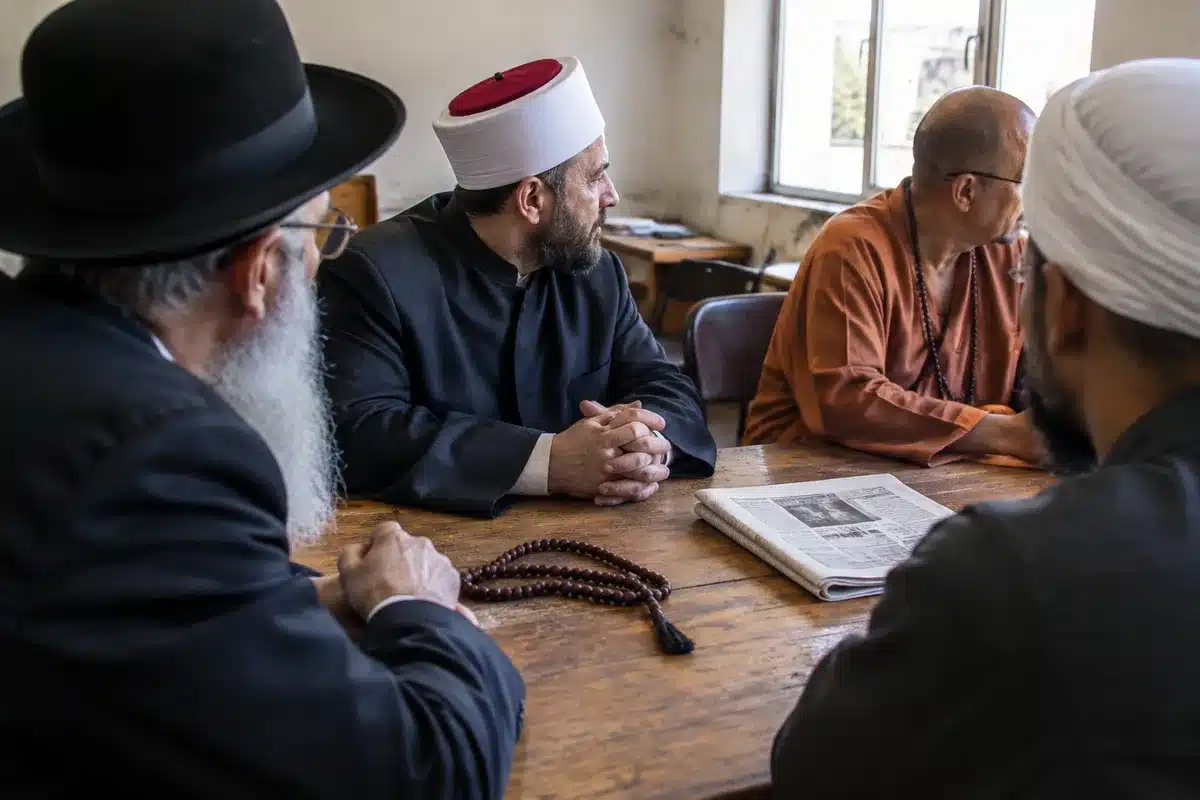
What began as a neighbourhood initiative has grown into one of the town’s most reliable community events. Each year, the festival brings people from different faiths together to handle logistics, contribute funds, and attend cultural programmes—activities that extend beyond prayer to create routines of cooperation.
How the celebration is run
Organising the festival is practical, hands-on work. Volunteers coordinate permitting, set up the venue, manage donations and safety, and schedule music and cultural items that appeal to a wide audience. Over 18 years this project has become more structured: a small group of regular volunteers now oversees the calendar and handles recurring expenses.
Allahabad high court voids three land purchases: woman couldn’t prove continued ST membership
Odissi dazzles at WhiteSwan festival: classical dance wins standing ovations

- Logistics: arranging the venue, crowd management and transport when needed
- Finances: community fundraising and transparent accounting to cover expenses
- Programming: inclusive cultural events that invite cross-community participation
- Engagement: outreach to young people and neighbourhood groups to sustain involvement
Those practical routines have an effect beyond the festival itself. When neighbours work side by side on meal distribution, stage setup or decoration, routine encounters replace assumptions with familiarity—an incremental but durable form of social resilience.
Local significance and broader context
In a country where public religious events sometimes become politically charged, a quiet, years-long practice of shared organisation is notable. The pattern here is simple: regular cooperation around an annual event builds relationships that can defuse tensions when disagreements arise.
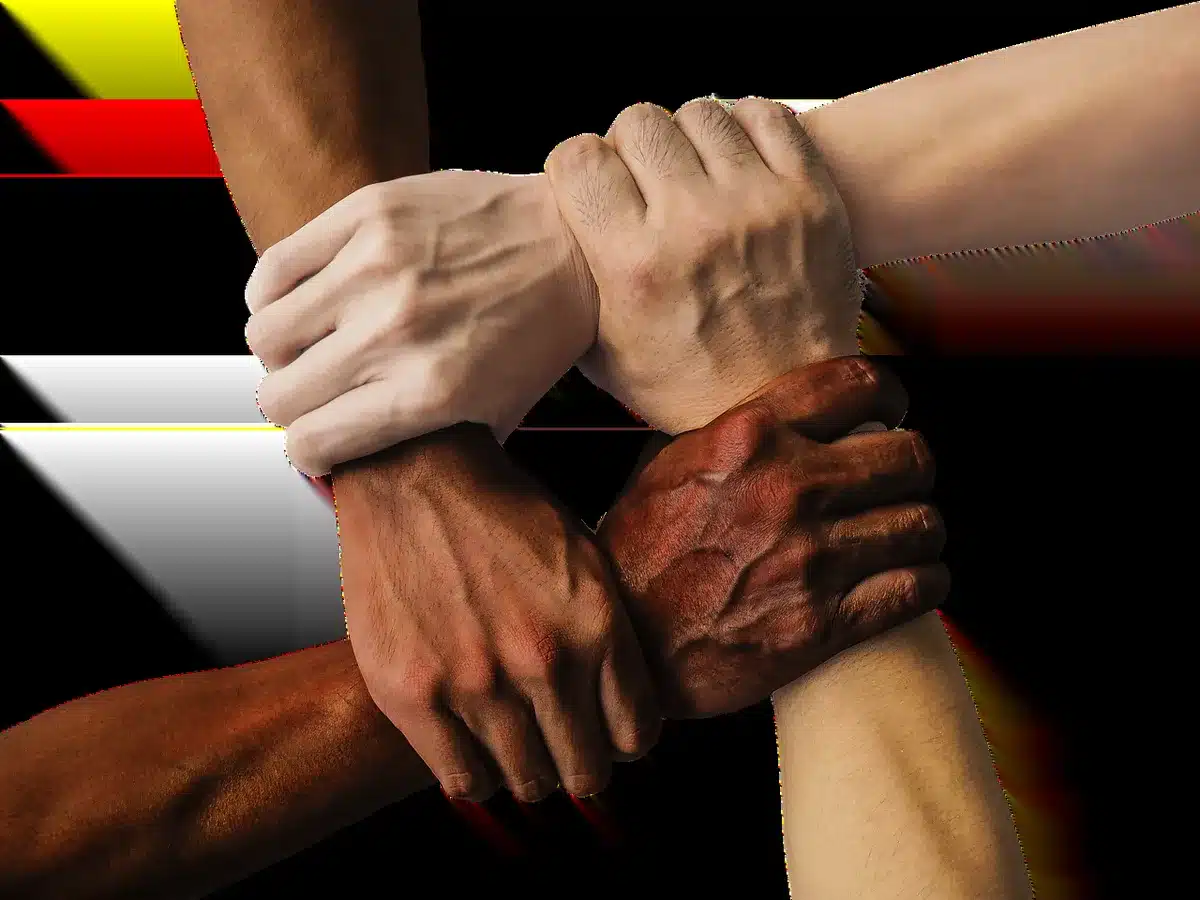
For municipal officials and civic organisers, the model offers concrete lessons: invest in predictable administrative support, enable transparent fundraising, encourage youth participation, and prioritise safety and accessibility. These elements help festivals remain inclusive rather than exclusive.
At the same time, sustaining this kind of momentum requires continuous work—navigating permits, covering costs, and keeping volunteers engaged. What looks like easy conviviality often depends on unpaid labour and careful mediation of competing expectations.
Why readers should care
The story matters because festivals are more than rituals: they are opportunities to rehearse public life. In towns and cities across India, similar local initiatives can either bridge social divides or harden them. The experience in Chikkamagaluru shows how persistent, small-scale civic leadership can keep public celebrations open and shared.
As communities across the country prepare for their own seasonal gatherings, the practical steps used here—transparent finances, inclusive programming, and steady volunteer leadership—are replicable. They don’t erase deeper political disagreements, but they create everyday habits of cooperation that make collective life more manageable.
Whatever the larger headlines, the continuing presence of a festival run by a diverse group of neighbours is a reminder that communal life is often shaped as much by daily practices as by grand gestures. In that respect, the Ganeshotsav in Chikkamagaluru is less a singular story than a blueprint for civic cohesion.