Show summary Hide summary
A controversial promotional video using an AI-generated image of creator Sneako praying on a blackjack table has sparked outrage and a threat of legal action, underscoring fresh tensions around deepfakes, religion and corporate ad review. The dispute, which moved quickly from social platforms to public apologies and a staff dismissal, raises immediate questions about content oversight and the potential legal fallout for the casino behind the clip.
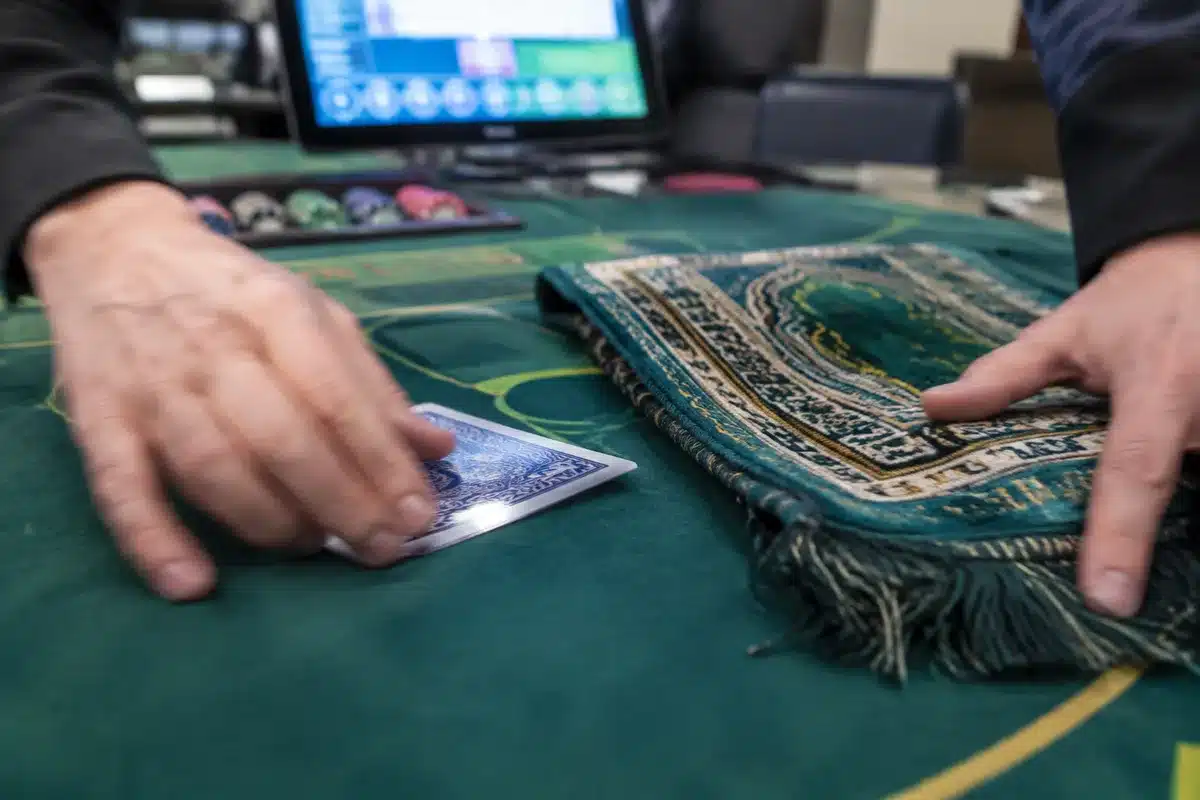
The clip, published by crypto casino Duel, showed an artificial likeness of Sneako performing a prayer on a rug placed atop a blackjack surface and included copy suggesting the site was a “halal” gambling experience. The creator—who has publicly identified as Muslim since 2023—objected strongly, calling out the ad as disrespectful to his faith and to religious practice.
After reposting the ad on X, Sneako publicly condemned those involved and vowed to pursue legal remedies. He also said any recovery from a suit would be directed to a charitable project in Gaza. As of this writing he has not disclosed specific legal claims or confirmed that a lawsuit has been formally filed.
Dhanteras 2026 date and puja muhurat: exact timings and must-do rituals
Bengali Hindu genocide: survivor Ashok Karmakar shares harrowing eyewitness account
What Duel and associates have said
Duel responded with an apology and took responsibility, saying the company’s content team produced the piece and announcing the immediate termination of the employee who edited the clip. The company described the edit as “tone-deaf” and vowed tighter quality control going forward.
A creator affiliated with Kick who identified as Duel’s “Chief Inclusivity Officer” publicly denounced the ad as well, saying he had personally apologised to Sneako. That individual initially described the material as the work of a “rogue agent,” though Duel’s statement placed responsibility inside the company.
Why this matters now
The incident touches on several urgent issues for publishers, platforms and audiences:
- AI-generated content can be produced and distributed quickly, increasing the risk that offensive or misleading material will reach large audiences before being caught.
- Religious sensitivity and brand advertising: using religious imagery in marketing—especially around activities many faiths prohibit—can generate significant reputational harm and legal exposure.
- Content moderation and corporate accountability: firms that commission or publish creative assets must enforce review processes to prevent harmful edits from being published.
- Lawsuits as remedies: public threats of legal action may change how companies respond, but the legal theory and practicality of any suit remain unclear until formal filings are made.
Timeline of events
- Release: Duel published a promotional clip featuring an AI-rendered image of Sneako praying on a blackjack table.
- Reaction: Sneako reposted the clip on X and strongly condemned the advert as an insult to his religion.
- Escalation: He announced plans to sue and said any damages would be used for a Gaza project.
- Response: Duel apologised, said the content team created the ad, and confirmed it had fired the employee involved.
- Ongoing: Neither side has provided public details of legal filings; public debate continues about AI edits and ad oversight.
Observers say the episode will be closely watched for two outcomes: whether Sneako proceeds with litigation, and whether Duel’s internal changes are enough to restore trust among creators and users. The case also serves as an early example of how quickly synthetic media can create complex ethical and legal challenges for companies and content creators alike.
For now, the central questions remain procedural and reputational: will legal action follow, and will platforms tighten controls to prevent similar incidents—especially where artificial imagery intersects with sensitive religious or cultural content?