Show summary Hide summary
Shabana Azmi says she embraces the cultural side of Islam—from festive Eid gatherings to Urdu poetry and traditional cuisine—while distancing herself from organized religious practice. Her reflections, offered in a recent interview, underline a personal approach to belief shaped by her family’s mix of secular and devotional influences and point to wider debates about the role of religion in public life.
Azmi traced her outlook to her upbringing. Her father, the poet Kaifi Azmi, was an avowed atheist, while her mother observed religious practice in a more informal way. That household, she explained, left her comfortable with cultural rituals but uninterested in formal worship.
Belief as language, not liturgy
Verify pandit online: quick checks to vet priests and protect your puja
Bangladesh: five decades after genocide, diversity and rights remain elusive
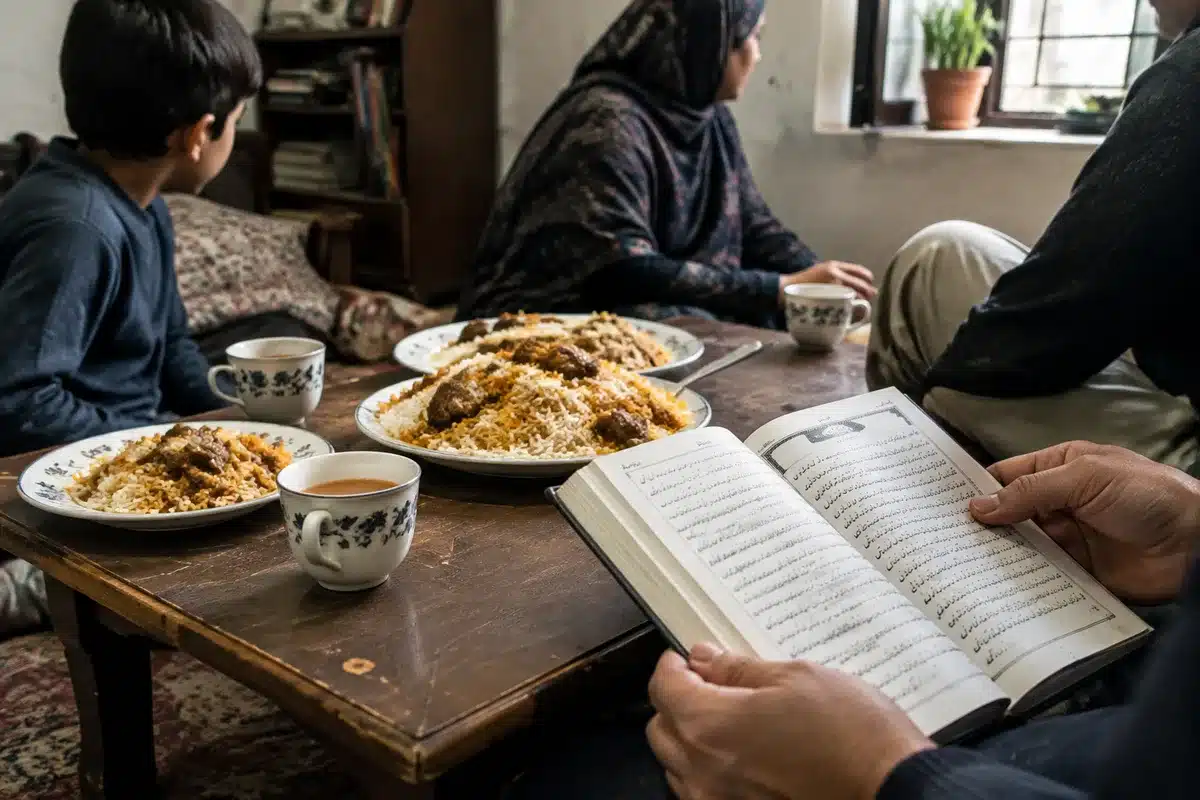
For Azmi, faith is expressed through everyday practices—speech, art and food—rather than through routine prayer or ritual. She said she does not perform namaz, framing spirituality as a private matter and a matter of personal choice rather than public obligation.
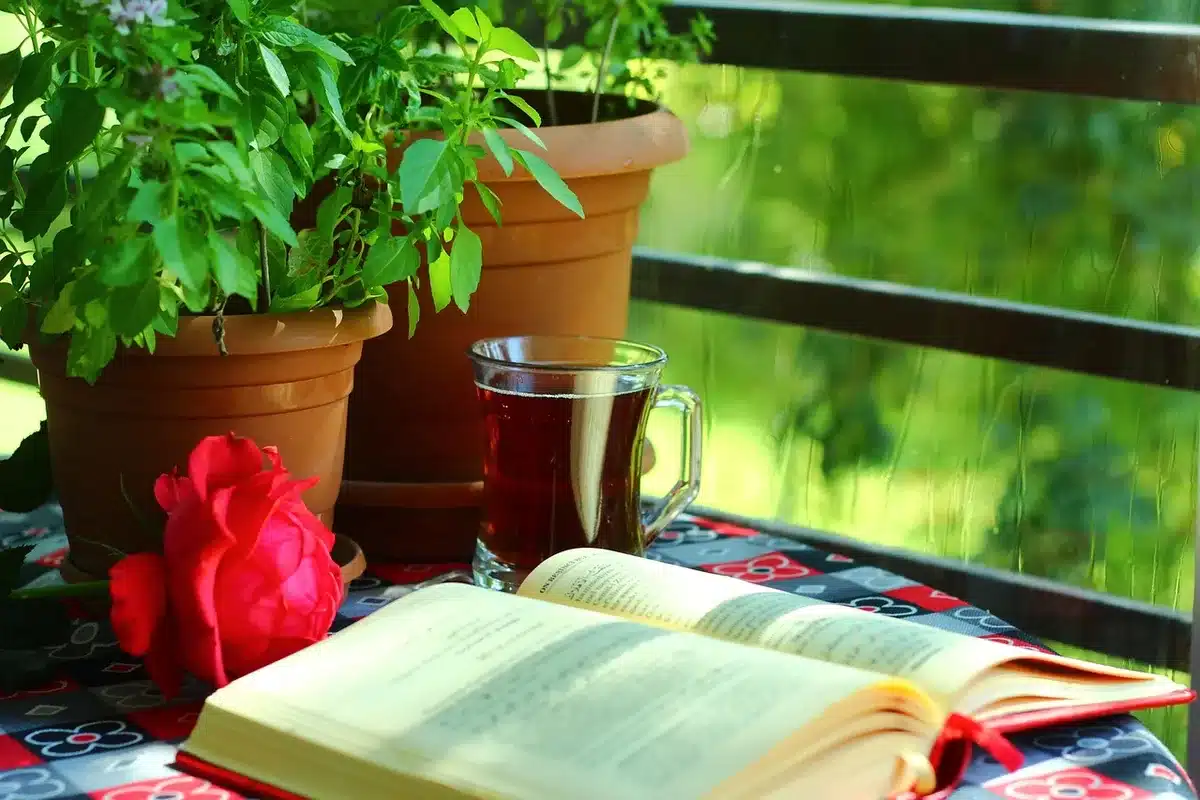
This distinction matters because it separates cultural identity from institutional religion. Azmi’s emphasis on language and cultural memory highlights how many people experience religion: as heritage rather than doctrine.
On secularism and civic life
She also used the conversation to argue for a clear boundary between religion and the state. In Azmi’s view, maintaining that separation protects individual freedom of belief and keeps public life inclusive.
Her comments arrive amid renewed public discussion about religious identity and policy, making them relevant beyond the personal. The stakes include how governments craft laws, how communities coexist, and how artists and public figures navigate belief in the spotlight.
- Cultural embrace: Enjoys Eid celebrations, Urdu language and traditional food as elements of identity.
- Private practice: Chooses not to follow formal ritual; describes belief as a private affair.
- Family influence: Raised between an atheist father and a mother who observed religion casually.
- Secularism: Advocates for separation between religion and the state to protect pluralism.
Observers say remarks like Azmi’s illustrate a broader pattern among public figures who separate cultural belonging from devotional practice. That position can reduce tensions in plural societies, but it also raises questions about how cultural traditions are preserved when detached from religious frameworks.
Whatever one’s view, Azmi’s stance is a reminder that personal belief often resists simple labels. For readers following conversations about identity and policy, her perspective offers a measured example of balancing cultural attachment with secular civic values.