Show summary Hide summary
Chief Minister Yogi Adityanath has reviewed final arrangements for the 10th edition of Deepotsav, scheduled in Ayodhya on November 7, calling it a major showcase of Indian cultural and religious traditions. The review focused on delivering a large-scale, secure celebration while expanding its digital reach ahead of the event.
What the celebration will look like
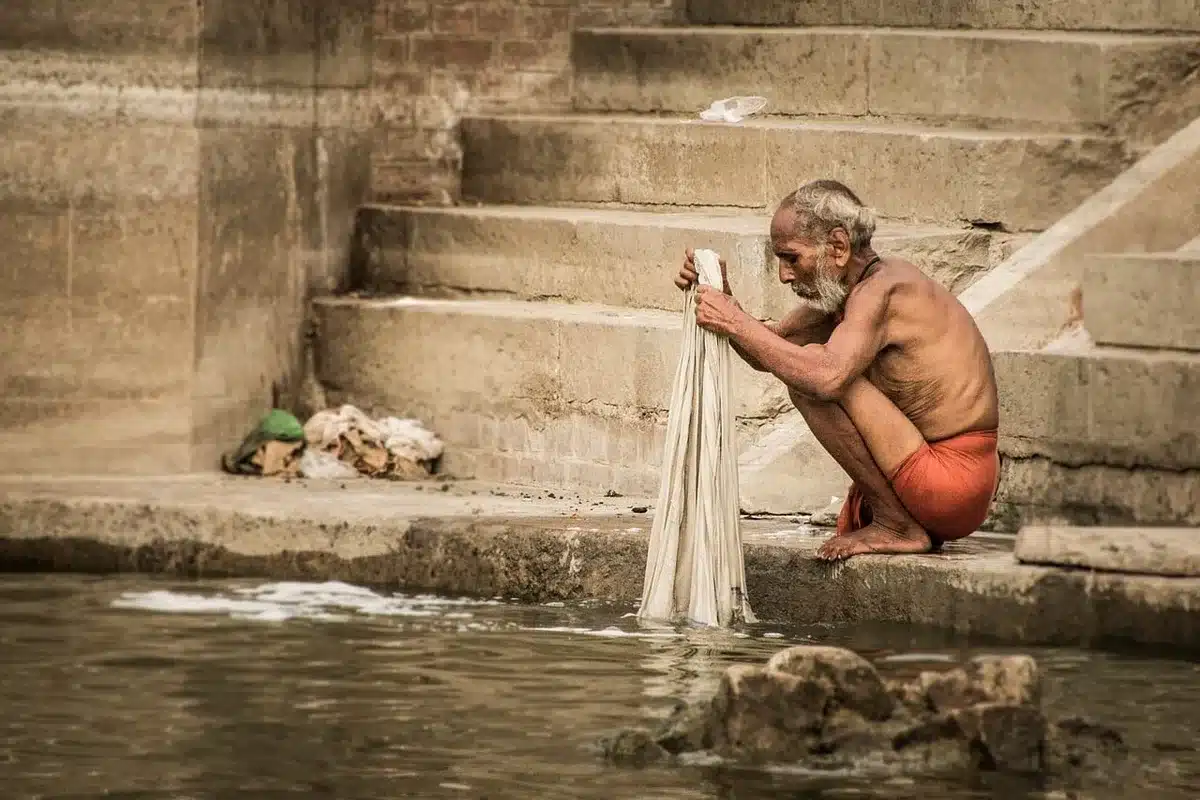
Officials say the city will be lit with millions of oil lamps across key ghats and public spaces, with Ram Ki Paidi forming a central visual focus. Organisers plan multiple staged performances, processions and a grand riverside aarti to mark the evening.
Verify pandit online: quick checks to vet priests and protect your puja
Bangladesh: five decades after genocide, diversity and rights remain elusive
The programme is organised in three distinct phases starting at Saket Mahavidyalaya and concluding with evening rituals on the banks of the Saryu river. Authorities have set an ambitious goal to engage more than 50 million people through online platforms.
- Saryu Aarti involving roughly 2,147 performers;
- An aerial show built around 2,100 drones and 3D projections;
- Live cultural sequences at Ram Katha Park, including Bharat Milap and the coronation of Lord Ram;
- Lighting of diyas at Ram Ki Paidi with about 200 artists participating on-site;
- Laser displays and a controlled ‘green’ fireworks segment near Gonda Bridge.
Scale, participants and international links
Some 35,000 volunteers are expected to support the event. The guest and artist list spans the country: organisers have invited roughly 1,000 performers from Uttar Pradesh and states such as Madhya Pradesh, Odisha, Karnataka, Jharkhand, West Bengal, Maharashtra, Assam, Rajasthan, Bihar, Kerala, Goa and Telangana.
Delegations from a dozen countries are also slated to attend, and officials have indicated that both visiting foreign envoys and Indian diplomats posted overseas will be present for parts of the programme.
Operational priorities: faith, safety and crowd flow
In his briefing, the chief minister emphasised that religious sanctity must be preserved even as the celebration is scaled up. Practical instructions covered crowd management, lighting and cleanliness, signage for visitors, traffic flow and security arrangements for devotees and dignitaries.
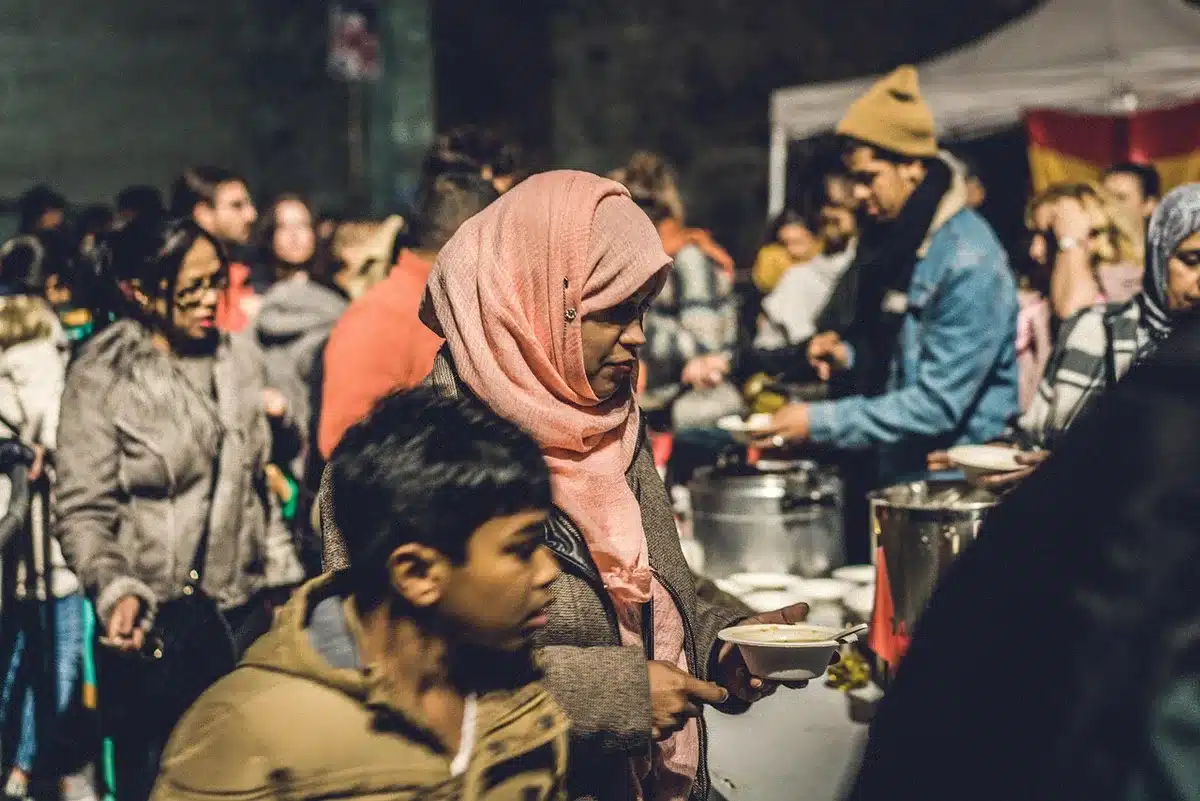
District teams were ordered to pay special attention to accessibility and the smooth movement of people between venues, along with adequate sanitation and directional information for pilgrims.
Local preparations and post-flood repairs
Officials also reviewed redevelopment plans for affected riverfront areas. Work to rehabilitate displaced shopkeepers, strengthen drains and repair storm-damaged sites has been prioritised, with particular mention of upgrades around the Ramghat in Chitrakoot and the development of a Tulsi Chabutra.
Authorities said flood-impacted pockets should be cleared and refurbished ahead of the festival to ensure visitor safety and uninterrupted rituals.
Ahead of the main event, the government has asked districts to observe Maharishi Valmiki Jayanti on October 26 with continuous recitations of the Valmiki Ramayana, Ramayana-themed performances and community painting activities to deepen local engagement.
Officials say the combined focus on pageantry, cultural programming and infrastructure aims to position this Deepotsav as both a religious observance and a high-profile cultural event with national and global visibility.