The stone object known as the linga remains one of Hinduism’s most misunderstood symbols outside South Asia. Misreading it as crude or primitive obscures a complex devotional language that links metaphysics, ritual, and centuries of theological thought—and that misunderstanding has real social and cultural consequences today.
Hinduism encompasses a wide range of beliefs and practices, many of which present the sacred in forms unfamiliar to Western observers. Early European commentators often judged Indian religious imagery through their own cultural lens, treating figurative and aniconic representations alike as evidence of superstition.
But within Hindu devotional and philosophical traditions the linga is not a literal or pornographic object. It is a multidimensional emblem that encodes ideas about creation, continuity and spiritual discipline.
Kashi to Kedarnath costs revealed: how much a Sawan pilgrimage will set you back
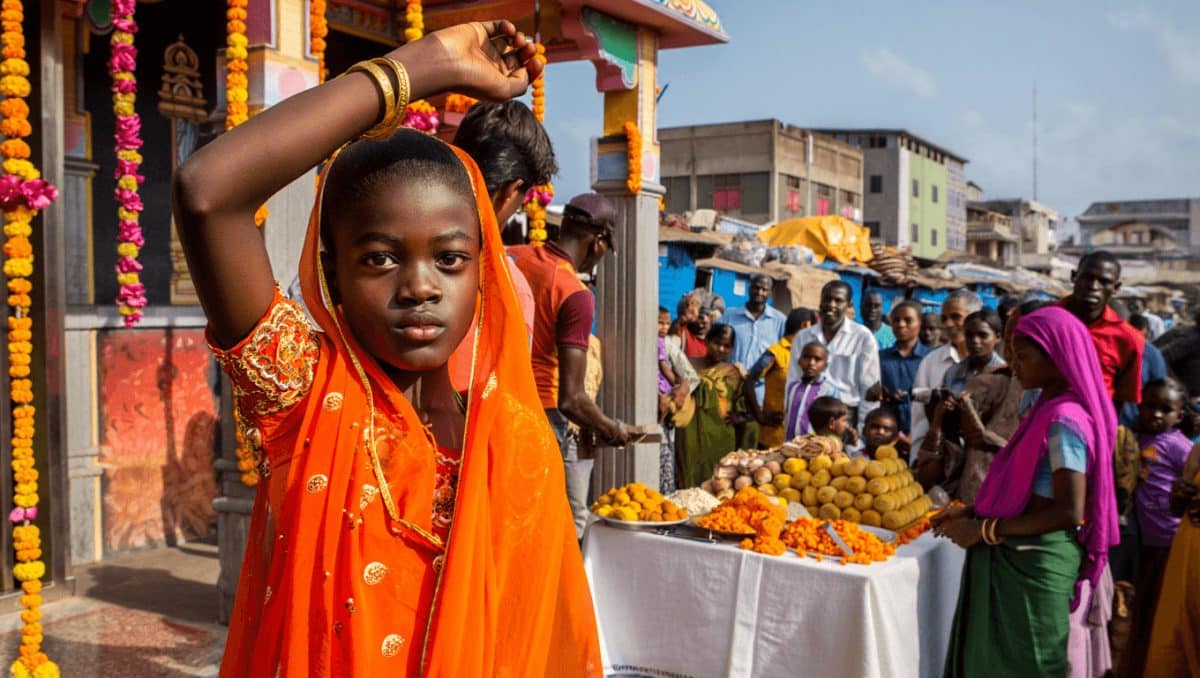
Hinduism gains ground in Africa: new communities reshape culture and commerce
At a basic level the symbol combines two complementary elements: the vertical shaft called the sthamba, and the rounded base known as the yoni. Together they represent the dynamic interplay of masculine and feminine principles, commonly identified with Shiva and Shakti, through which existence is generated and sustained.
Theological frameworks then place these principles within a larger cosmology. Hindu texts describe cycles of creation, preservation and transformation overseen by different divine functions—roles often personified by Brahma, Vishnu and Shiva. For many devotees, the linga is both a symbol of that generative union and a focus for meditation on the mystery beyond name and form.
One foundational story used to explain the linga’s significance tells of an infinite column of light that revealed the limits of other gods’ powers and manifested Shiva’s transcendence. That narrative is commonly called the Lingodbhava, and it helps devotees visualize why the symbol can stand for an absolute source that eludes ordinary measurement.
Devotional practice layers further meaning onto the symbol. In many lineages the linga is read as an icon of spiritual energies that work through existence—an accessible sign pointing toward the ineffable.
- Sayojata — associated with the creative energy that initiates form and emergence.
- Vamadeva — linked to the sustaining or preservative force in life and cosmos.
- Aghora — connected to the transformative power that dissolves and renews.
- Tatpurusha — represents the veiling or obscuring aspect that permits individuality and moral consequence.
- Ishana — embodies compassion and the revealing of deeper spiritual identity after growth and learning.
For certain traditions Shiva’s fivefold expression is personified as Sadasiva, an approachable form that gives worshippers a focal point while acknowledging the deity’s ultimate formlessness. In that way the linga functions both as a metaphysical shorthand and as a practical aid to contemplative life.
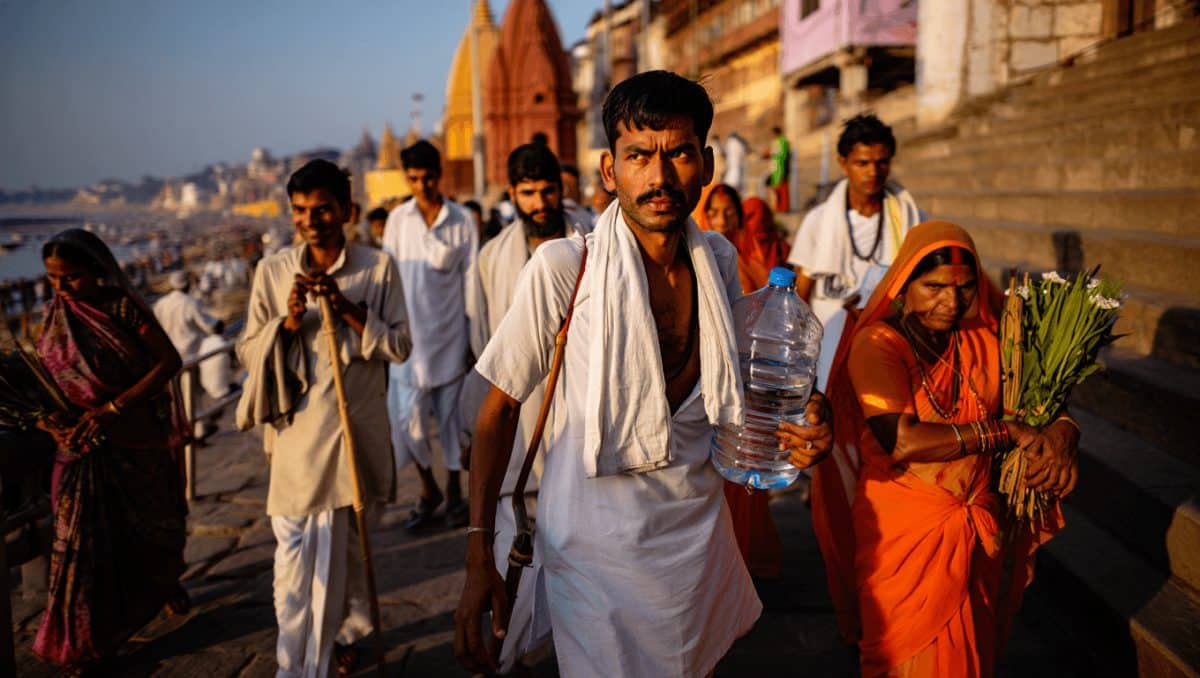
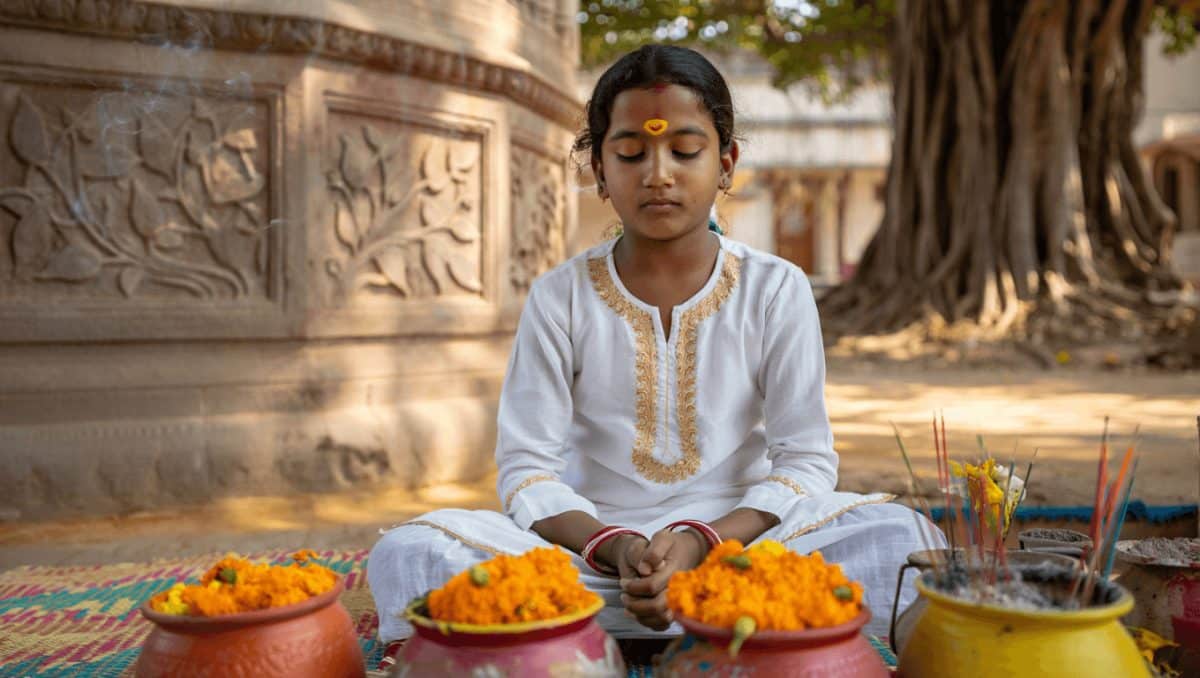
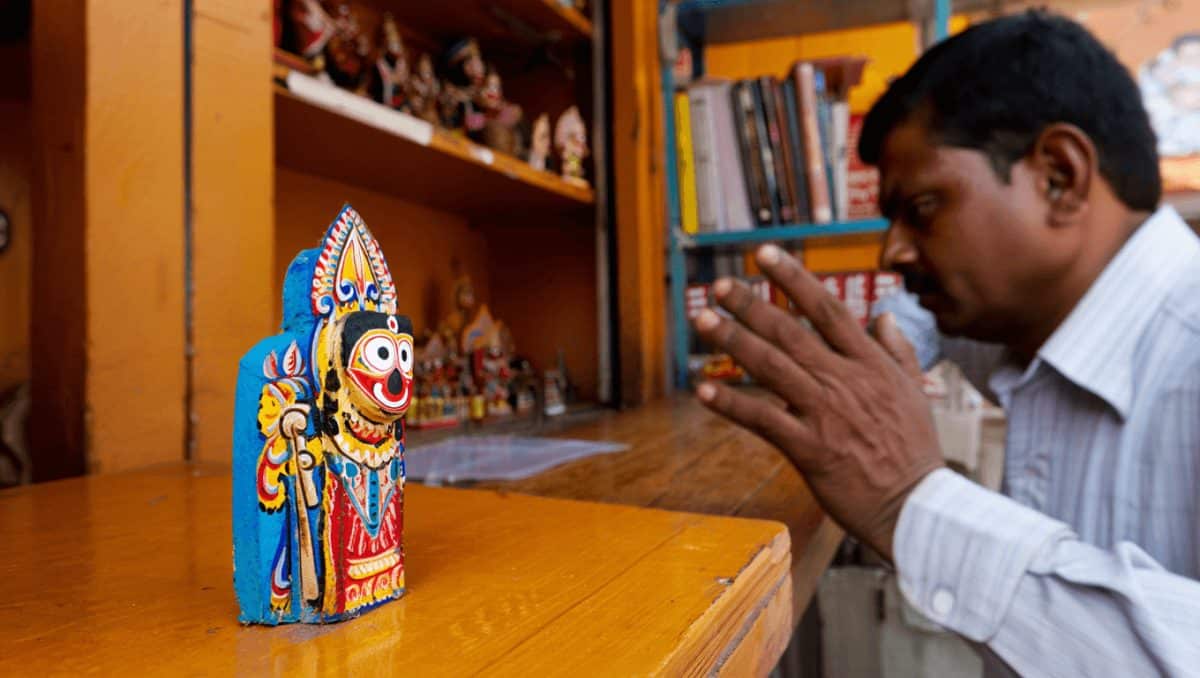
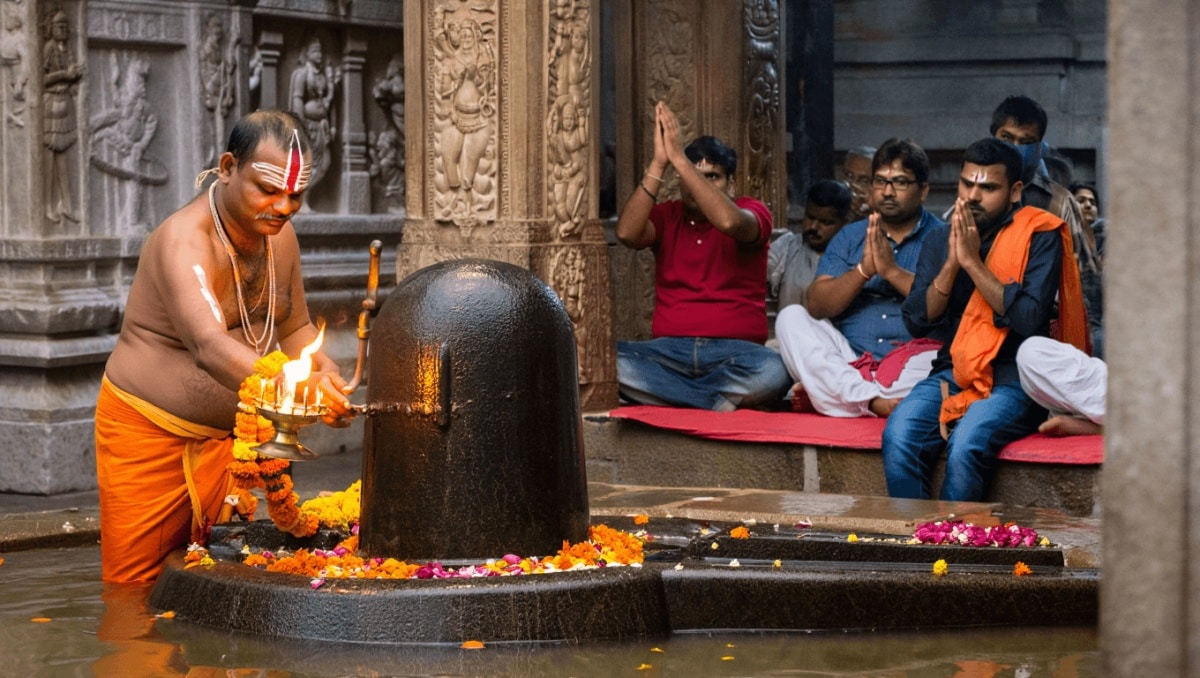
Across India and in Hindu communities worldwide, lingas occupy temples, household shrines and public rituals. Pilgrims visit these sites to perform rites, meditate, and participate in festivals such as Maha Shivaratri—occasions that highlight the symbol’s continuing religious resonance.
Misinterpretations matter because they shape public attitudes and policy toward minority faiths. Educational initiatives—from temple outreach to community organizations working in the diaspora—aim to correct shallow readings and foster cultural literacy, reducing stigma and misunderstanding.
Seen on its own terms, the linga is less an object of crude representation and more a densely layered religious sign: a mark that points to the union of creative forces, the cycles of existence, and the inward passage toward spiritual realization.