Show summary Hide summary
Padmini Ekadashi is not an annual observance — it appears only once every few years, and this time it falls on Wednesday, 27 May 2026. That scarcity shapes how devotees plan: a rare vrata asks for preparation and intention rather than routine observance. Here’s what the date means, why it matters now, and a clear, practical guide to observing the fast responsibly.
Why Padmini Ekadashi is rare
The Hindu calendar balances two systems: the solar cycle that marks seasons and the lunar cycle that defines tithis and most festivals. Twelve lunar months are about eleven days shorter than a solar year, so the calendar inserts an extra lunar month roughly every 32–33 months to keep festivals aligned with the seasons.
Annamalai applauds Bhagwat’s message on Muslim inclusion in India
Navratri in Times Square goes viral: social media splits over Indian celebrations abroad
This inserted month, called Adhik Maas, produces two Ekadashis during its span. The Ekadashi that falls in the bright half (Shukla Paksha) is observed as Padmini Ekadashi, which is why the vrata appears only once in roughly three years — the month that contains it is itself uncommon.
2026 timings — key moments
| Item | Detail |
|---|---|
| Vrat day | Wednesday, 27 May 2026 (by the Udaya Tithi rule) |
| Ekadashi tithi begins | 26 May 2026, early morning (approximately) |
| Ekadashi tithi ends | 27 May 2026, early morning (approximately) |
| Parana (fast-breaking) | 28 May 2026 morning, within the Dwadashi muhurat |
The Udaya Tithi convention means a vrata is observed on the day when the tithi is in effect at sunrise. Because the Ekadashi tithi is present at sunrise on 27 May, that is the day when the fast is kept. Timings shift by location; confirm city-specific muhurat from a reliable panchang before acting on parana.
Purushottam Maas and the lesson of the extra month
The inserted month historically carried a stigma — being “extra,” it had no presiding deity and was often considered inauspicious. A traditional story describes how Lord Vishnu accepted that month and named it Purushottam Maas, turning an overlooked interval into one of sanctity.
The narrative is more than folklore: it frames the month as teaching that steady, humble effort in unremarkable conditions is what becomes spiritually valuable. Actions taken during Purushottam Maas are believed to carry amplified merit not because the deeds change, but because the month’s character transforms ordinary practice into something weightier.
Lotus imagery — Padmini and Kamla
Padmini Ekadashi is also called Kamala Ekadashi; both names allude to the lotus. In the tradition the lotus symbolizes being rooted in the world yet remaining unstained, opening toward light while anchored in muddy water. That image underpins the vrata’s central teaching about prosperity practiced through discipline.
- Rooted but unstained: engage with life without being defined by it
- Seat of Lakshmi: the lotus signifies the place where material and spiritual abundance can rest
- Turn toward light: steady orientation toward higher values, even amid difficulty
What the vrata is said to confer
Scriptural texts attribute several outcomes to sincere observance of Padmini Ekadashi: purification of past actions, removal of obstacles, enhanced stability and prosperity, increased inner steadiness, familial harmony, and spiritual merit that aids progress toward liberation. These claims emphasize transformation of temperament as much as external benefit.
The panchanga story behind the practice
The Puranic narrative associated with this Ekadashi tells of a queen whose devoted observance, performed with exactness and a single-pointed heart, drew divine grace not for herself but for her husband. The moral stresses the quality of the practice — focused, disciplined, and sincere — rather than harshness for its own sake.
How to observe Padmini Ekadashi — practical steps for 2026
Padmini Ekadashi in 2026 falls on 27 May. The guidance below covers common traditional options; choose what suits your health and responsibilities. Devotion and steadiness matter more than severity.
Step 1 — Choose a fasting level
- Nirjala: no food and no water — the strictest form, only for those in robust health
- Phalahar: permitted fruits, milk, water, and other non-grain items — widely practiced
- Saatvik ahar: a single simple sattvic meal without grains, onion, or garlic — suitable for elders, pregnant women, children, or first-time observers
Step 2 — What to avoid
Common prohibitions during the vrata include grains (especially rice), onion and garlic, tamasic or heavy foods, and behaviors that disturb inner calm. A fast of the body without care for speech and temper is traditionally considered incomplete.
Step 3 — The evening before (Dashami, 26 May)
- Keep dinner light, sattvic, and preferably grain-free
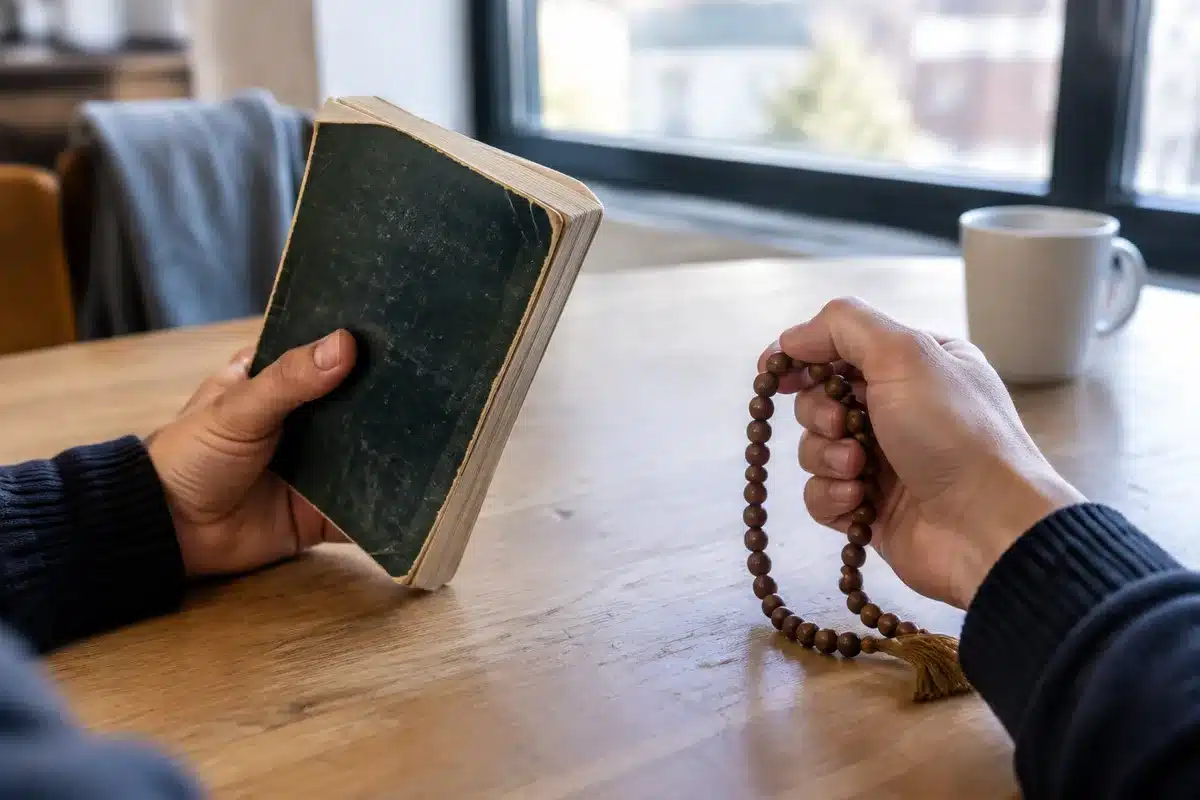
- Make a sankalp — a clear, conscious intention for the vrata
- Rest early so you can rise before sunrise
Step 4 — The vrat day (27 May)
Morning
- Rise during Brahma Muhurta, take a bath, and wear clean clothes
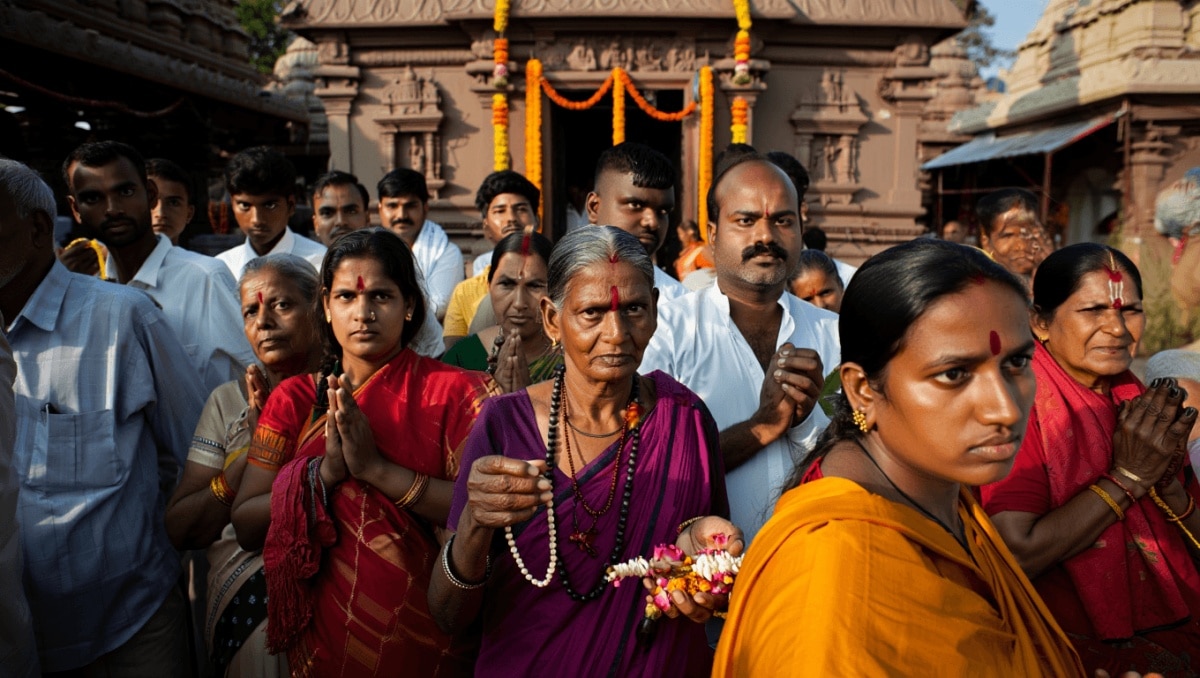
- Set up an altar with images of Lord Vishnu and Goddess Lakshmi / Kamla, and take your sankalp
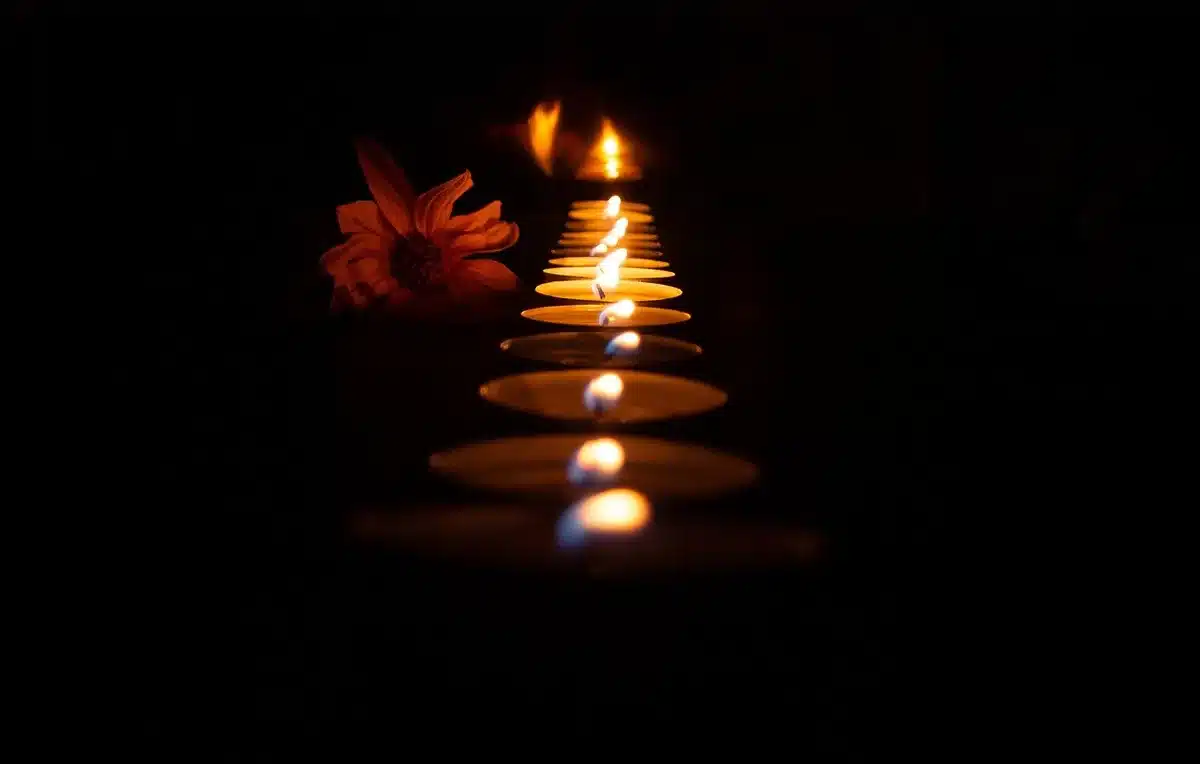
- Offer a lamp, incense, Tulsi leaves, and yellow flowers; place a simple naivedya
- Engage in chanting (for example, Om Namo Bhagavate Vasudevaya), Vishnu Sahasranama, or other prayers according to your practice
Daytime
- Keep the mind in remembrance — japa, reading, kirtan, or service
- Practice charity: giving food, clothes, or assistance is especially meritorious in Purushottam Maas
- Maintain gentle speech and simple conduct; avoid idle entertainment and conflict
Night vigil (jagran)
Staying awake in devotion through the night is a central element of this vrata. If a full vigil is not possible, extend devotional practice into the evening as much as your circumstances permit.
Step 5 — Breaking the fast: Parana (28 May)
- Break the fast on Dwadashi within the prescribed parana muhurat; do not break it before the window opens or delay beyond it
- Tradition favors offering food to a Brahmin or someone in need before you eat
- Then consume a simple sattvic meal
- Parana timings vary by city — confirm the exact window from your local panchang
Quick observance checklist
- Decide fasting level (Nirjala, Phalahar, or Saatvik ahar)
- Have a light, grain-free dinner on 26 May
- Wake in Brahma Muhurta on 27 May; bathe and take sankalp
- Perform Vishnu–Lakshmi puja with Tulsi and yellow flowers
- Engage in japa, scripture, charity, and gentle speech during the day
- Keep a night vigil in devotion as possible
- Break the fast on 28 May within the parana muhurat after giving to others
The practice’s contemporary meaning
Padmini Ekadashi is a structured invitation to align thought, word, and deed for a day. The month that contains it reframes ordinary effort as potentially transformative: a small, steady discipline can become the ground where lasting prosperity and inner calm grow. Whether your goal is material stability or spiritual steadiness, the vrata rewards quality of attention more than theatrical sacrifice.
Because this Ekadashi is infrequent, plan thoughtfully: set a sincere sankalp, confirm local timings, and adapt the observance to your health and duties. A measured, mindful practice is more in keeping with the vrata’s spirit than extreme austerity performed without inner steadiness.
For precise parana and muhurat for your city, consult an authoritative panchang or a qualified priest before 28 May. Observed with care, this rare vrata can leave a quiet, lasting impression on both heart and habit.