Show summary Hide summary
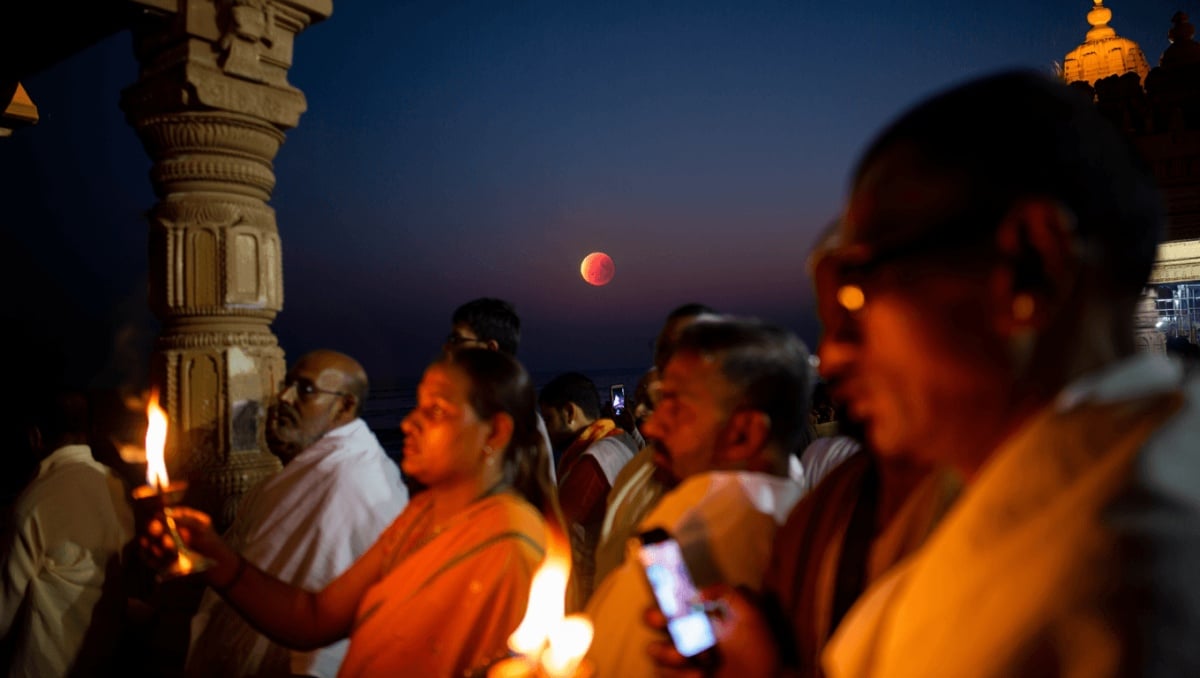
A rarely occurring extra lunar month known as Adhik Jyeshtha Maas arrives this year, running from Sunday, 17 May to Monday, 15 June 2026. For millions who follow the Hindu calendar, this 30-day intercalary month is both a calendrical correction and a concentrated window for spiritual practice — an opportunity whose next recurrence is not until 2037.
Why an extra month is added
Our lunar year is about 354 days; the solar year is roughly 365. Left unchecked, that difference would gradually shift festivals out of their seasons. The traditional solution is to insert an extra lunar month roughly every 32 months — a corrective measure rooted in astronomical observation and preserved in ritual calendars.
Annamalai applauds Bhagwat’s message on Muslim inclusion in India
Navratri in Times Square goes viral: social media splits over Indian celebrations abroad
But beyond the technical fix, the extra month acquired its own religious identity. Ancient texts recount that the intercalary month was once called Mal—a name suggesting impurity—and had no presiding deity. According to the Puranic narrative, the month appealed to Lord Vishnu for refuge. Vishnu accepted it and named it Purushottam, attaching to it a special potency: acts of devotion performed in this period are said to yield amplified spiritual merit.
What this practically means
Because the month is traditionally designated for inner work rather than worldly beginnings, rites like weddings or housewarmings are customarily avoided. The focus is on prayer, charity, ancestral rites and disciplines that turn attention inward.
Key facts about Adhik Jyeshtha 2026
- Dates: 17 May – 15 June 2026 (30 days)
- Presiding presence: Lord Vishnu in the form of Purushottam
- Notable tithis: Parama Ekadashi (27 May), Purnima (31 May), Padmini Ekadashi (11 June), Amavasya (15 June)
- Rarity: Last Adhik Jyeshtha occurred in 2018; the next will be in 2037
- Scriptural claims: Texts attribute heightened effectiveness to rituals for ancestral appeasement (Pitra-related sadhana) and intensified fruits for Vishnu-bhakti during this month
Several Puranas and smritis amplify the month’s importance, offering multipliers to spiritual gains relative to ordinary months. For contemporary believers, that translates into a concentrated period for remedial rites, reflection and renewal.
Observances and practices to consider
Temples and spiritual centres typically expand programming during an Adhik Maas: extra paaths, special pujas, guided darshans, and sessions for ancestral rites. If you plan to participate, options range from short visits to multi-day stays at traditional pilgrimage sites. The measures below are accessible whether or not you travel.
- Daily recitation of Bhagavad Gita Chapter 15 — often recommended as a short, focused practice (about 8–10 minutes) to attune the day to the month’s theme of the Supreme Person, or Purushottam.
- Observing Ekadashi fasts — Parama Ekadashi (27 May) and Padmini Ekadashi (11 June) fall within this period and are regarded as especially potent.
- River ablutions — a bath at a sacred river (Saryu, Ganga or a locally significant tirtha), even if performed devotionally at home with sanctified water, is commonly prescribed.
- Daily giving (daana) — small, consistent acts of charity across the month, directed toward those who cannot reciprocate, emphasize humility and detachment.
- Postpone new material beginnings — traditional guidance advises avoiding new ventures and major purchases during the month and reserving 16 June onward for such starts.
Rituals often highlighted
Three observances receive particular attention in commentaries and temple schedules during an Adhik Maas:
- Purushottam-focused paath: Recitation of Chapter 15 of the Gita, sometimes concluded with the Gita’s closing verse that links right action and presence with prosperity and righteousness.
- Pitra Stotra and ancestral rites: Chanting stotras and performing tarpan/pind offerings are widely recommended for resolving ancestral anxieties and seeking blessings — many texts note an accelerated efficacy for these practices during the intercalary month.
- Pilgrimage observances: Seats associated with Vishnu — for instance in Ayodhya or Gaya/Vishnupad — commonly schedule additional services and guided rituals around these dates.
When participating in ritual work away from traditional centres, seek venues that follow acknowledged ritual protocols and experienced officiants, and where offerings are prepared according to scriptural specifications.
How to approach the month without institutional support
Not everyone can travel or join organised events. The month still offers meaningful practices that can be observed at home.
- Short daily practice: A brief reading or recitation—such as a chapter of scripture or a devotional hymn—creates continuity.
- Mindful charity: A small daily gift or service strengthens the habit of selfless action.
- Remembrance of ancestors: Simple offerings at a home altar or quiet contemplations for forebears are traditionally considered effective during this month.
- Pause from launches: Putting off new, material projects aligns personal timing with the calendar’s inward emphasis.
- Community connection: If safe and available, join local satsangs or online paaths to sustain discipline and share intention.
These steps are not about ritual checklisting; they are invitations to slow down. Even modest practices maintained faithfully over 30 days can shift perception and habit.
Putting the month in perspective
Adhik Jyeshtha is both an astronomical adjustment and a cultural prompt: a built-in pause in the calendar that encourages reflection, reconciliation and spiritual repair. The way classical sources dignify the month — renaming it from outcast to Purushottam — underlines a moral lesson: what is sidelined by convenience can be reclaimed as sacred.
This particular occurrence in 2026 is an uncommon opportunity. Observers and practitioners who take even a small amount of time each day to follow fitting practices may find change disproportionate to the effort. The calendar will not offer this same alignment again for more than a decade — and that gap is one reason many communities treat the month with concentrated attention.
Use the 30 days to finish what demands closure, or to begin a steady interior practice that carries beyond the month. The mark of this period is not ceremony for its own sake but the quality of attention it invites.