Show summary Hide summary
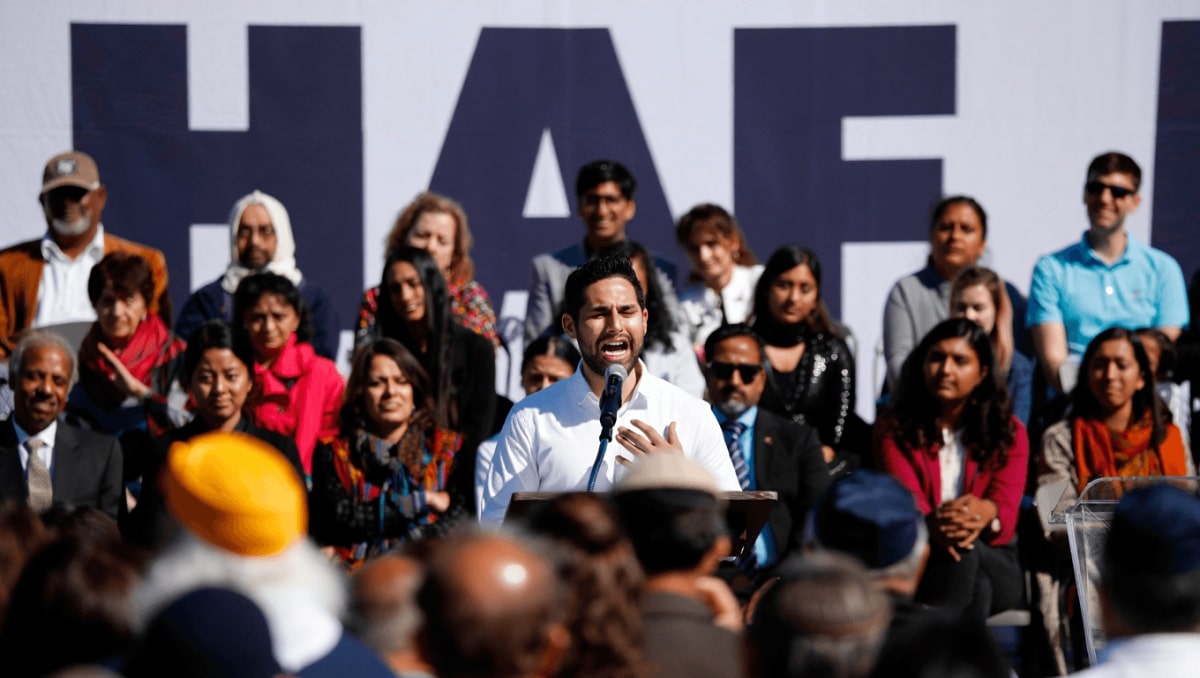
A closed-door gathering in Northern California put a personal face on the consequences of the October 7, 2023 attacks, as a brother described his sibling’s abduction and the family left behind. The account — heard by Hindu, Sikh and Jewish community leaders and advocates — underscored two immediate realities: dozens of people remain hostages, and solidarity across faith communities has become a frontline response to rising incidents of anti‑Semitism at home.
A raw, first‑hand testimony
At the event, Michael Levy recounted how his brother was taken from a music festival and how, in the chaos that day, his sister‑in‑law was killed. Attendees heard details that had not been broadly reported and described the story as wrenching and difficult to absorb.
Kashi to Kedarnath costs revealed: how much a Sawan pilgrimage will set you back
Hinduism gains ground in Africa: new communities reshape culture and commerce
For many in the room the testimony resonated with other painful histories of mass violence. Organizers noted the March observance of the 1971 atrocities in Bangladesh and the persistent questions that such episodes raise about justice and remembrance. Analysts’ estimates of the scale of violence in 1971 vary, and those differing figures were presented as part of that broader context rather than settled fact.
Voices from the community
Several advocacy leaders who attended said the session stirred a mix of shock, grief and a sense of responsibility. One regional director described watching footage of the abduction as unbearable, and emphasized the cascading impact on the hostage’s young child and elderly parents — immediate human consequences that statistics can obscure.
Speakers also highlighted the personal toll on family members who have become public advocates: leaving jobs and homes to press leaders and international institutions for attention and action, and confronting grief and depression while carrying on a campaign for the missing.
Solidarity — not silence — emerged as a recurring theme. Organizers noted that friends who speak up during crises matter; their presence and public support can relieve isolation and amplify pressure on decision makers.
From conversation to collective action
After the testimony, the group debated how best to translate concern into impact: high‑level meetings with policymakers or broad-based grassroots mobilization. The discussion did not settle on a single path; rather, participants argued that different approaches reinforce each other.
| Action | Purpose | Typical scale |
|---|---|---|
| Public rallies and unity marches | Raise visibility and demonstrate cross‑community support | Local to national |
| Letters and testimonies to elected officials | Encourage policy responses and formal statements | Individual to organized coalitions |
| Campus and school dialogues | Address hate incidents and promote safety | Institutional |
| Media pieces, panels and podcasts | Explain events, keep stories alive, counter misinformation | Regional to national |
| Community conversations | Build resilience and understanding within families and local groups | Neighborhoods, houses of worship |
- Attendees stressed that small actions — from sharing information to speaking at a city council — accumulate into broader pressure.
- Advocates emphasized conversations within homes and youth groups as foundational to long‑term change.
Several organizers reiterated a view echoed by event participants: public silence by allies can be more damaging than outspoken critics. That idea framed the evening as both a mourning and a mobilizing moment.
Why this matters now
The situation remains fluid: dozens of people taken in October 2023 have not been accounted for, and reports of hate incidents and campus tensions have continued in the months since. For policymakers and community leaders, the stakes are concrete — from consular and humanitarian issues to local safety and the tone of civic life.
Beyond policy, attendees left with a question that grounded the discussion: if a family member were taken, what would we expect from our neighbors, our institutions, and our elected officials? That question — more practical than rhetorical — was a call to maintain attention and to ensure community responses do not fade as headlines move on.
The recollection of one man’s story made the larger crisis tangible for those in the room; the next test will be whether that empathy is sustained in the weeks and months ahead.