Show summary Hide summary
As debates over religion, identity and public policy gather pace in 2026, how Americans of South Asian descent name their faith has practical consequences for rights, representation and social inclusion. The question isn’t merely semantic: it affects legal protections, workplace accommodations and how communities are counted and understood.
A label shaped by rivers and rulers
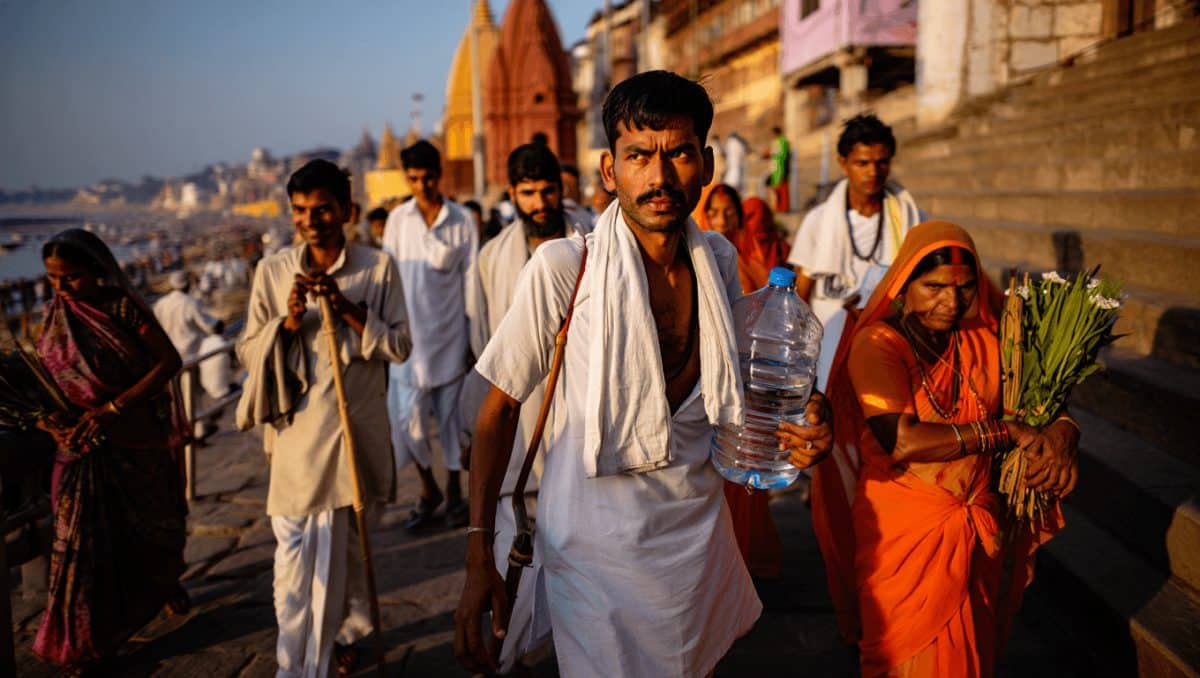
The word that English speakers now use — Hindu — began as a geographic marker, tied to the Sindhu river and used by outsiders to describe the people who lived east of it. Over centuries, that external label accumulated meanings far beyond geography: a vast array of beliefs, rituals and social practices were compressed into one convenient category.
Kashi to Kedarnath costs revealed: how much a Sawan pilgrimage will set you back
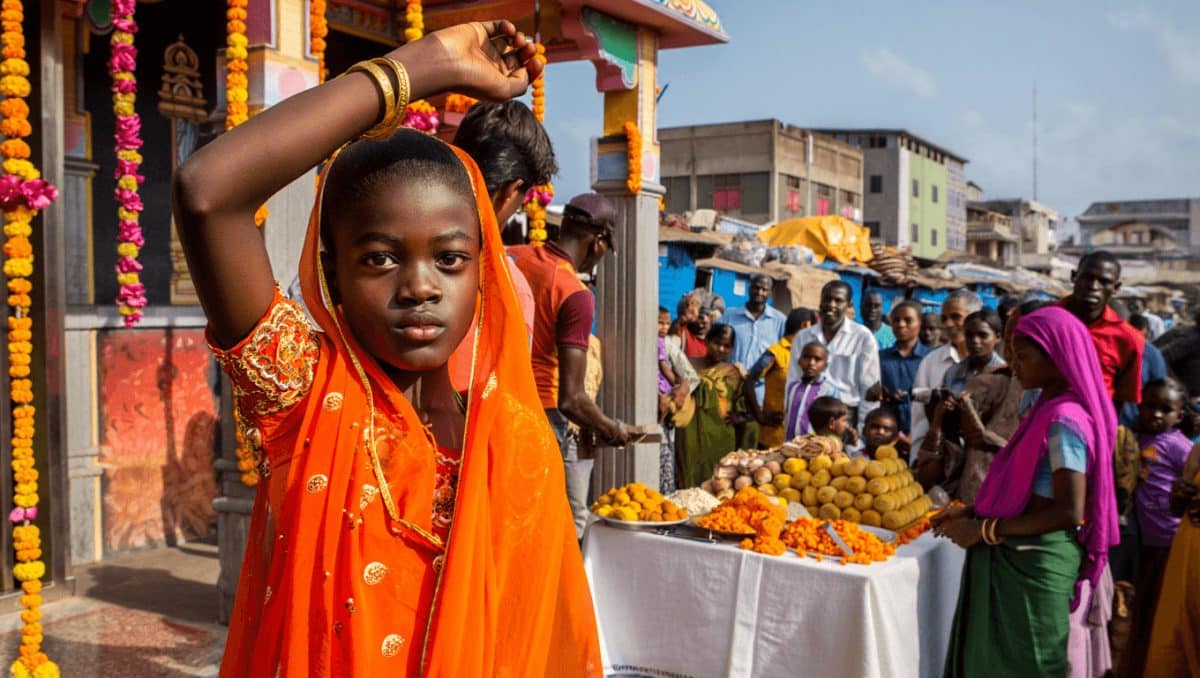
Hinduism gains ground in Africa: new communities reshape culture and commerce
Imperial administrations, particularly during British rule, treated that broad variety as a single, legible “religion,” a move that made administration easier but flattened local difference. Earlier rulers noted diversity too, but it was colonial bureaucracy that solidified the English-language category now debated across diasporas.
Pluralism at the center
At the heart of these traditions is an ethic: the practice of inquiry and a tolerance for multiplicity. Communities that fall under the label have historically allowed wide latitude in belief and practice — differing views on gods, rites, marriage, gender roles and even questions about the afterlife can coexist within the same social world.
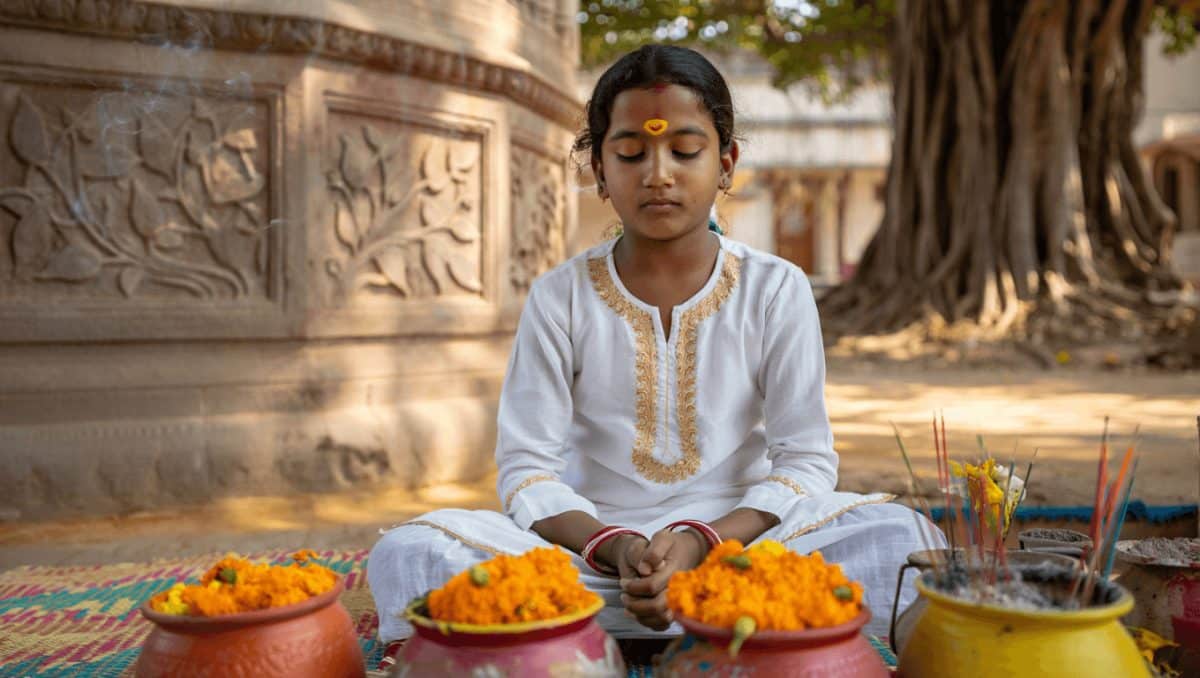
For many in the diaspora, growing up outside South Asia encourages another kind of engagement: an inquisitive relationship with inherited practice. Parents or mentors often frame questioning not as heresy but as part of faith-building, prompting younger generations to define their belonging in their own terms.
Why a name still matters
The debate about labels is not only philosophical. In contemporary civic life, names determine access and protection. Governments and institutions use recognized categories when extending religious freedom, granting accommodations, or shaping diversity initiatives.
One useful comparison comes from disability advocacy: some people keep a term that describes their disadvantage precisely because it communicates a social reality — barriers in the environment — and helps secure remedies. Many who identify as Hindu make a similar calculation: the category may not describe the full texture of belief, but it offers legal and cultural visibility.
- Legal protection: Recognized religious categories influence how courts and states interpret freedom of worship and anti-discrimination rules.
- Institutional recognition: Schools, employers and civic bodies often rely on broad labels when creating accommodations or counting representation.
- Community organizing: A shared name can help disparate groups coordinate on common concerns, from temple preservation to hate-crime response.
- Cultural transmission: Labels create a shorthand for heritage, making it easier for younger generations to find resources and mentors.
Choices within the category
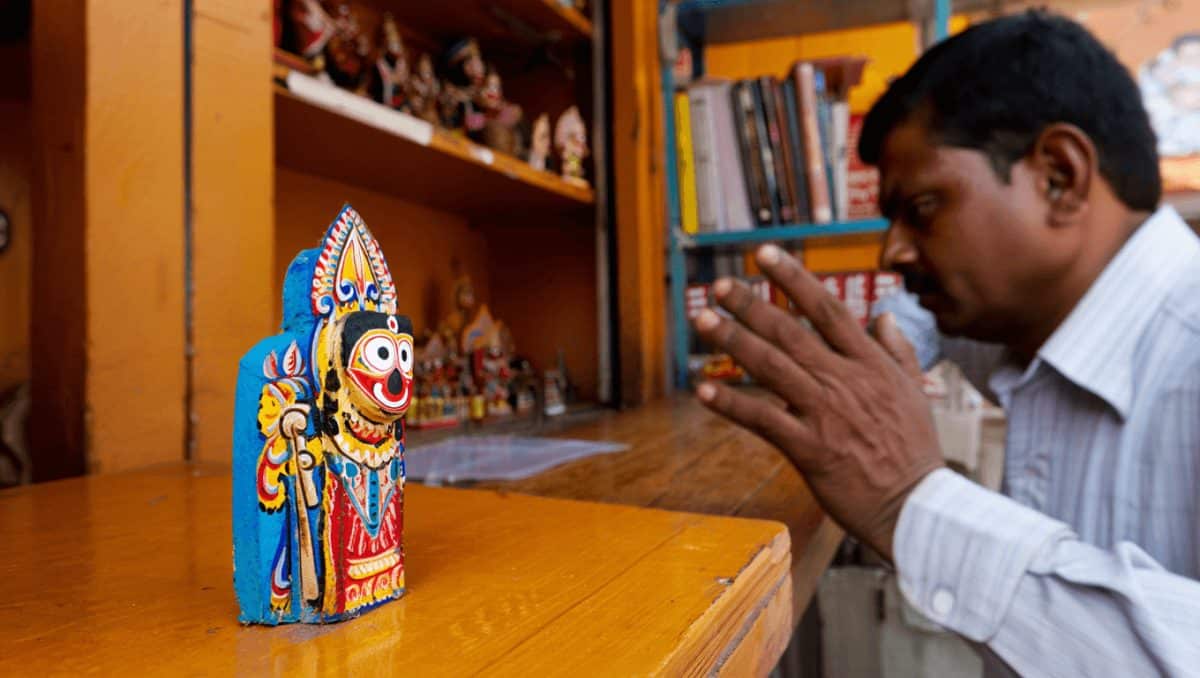
Not everyone is satisfied with the umbrella term. Many prefer more specific identifiers — Shaivite, Vedantist, Sanātani and others — to signal theological leanings, ritual practice or philosophical emphasis. Yet those sub-labels can be opaque to outsiders and sometimes fail to mobilize the same institutional protections.
At the same time, belonging does not always follow bloodlines. People living in small-town America with no recent ties to South Asia can still feel an affinity for the ethos associated with the subcontinent: a commitment to questioning, a plurality of paths and an emphasis on practice over dogma.
What this means for readers and policymakers in 2026
As public debates over identity and public accommodation continue, a few practical points matter for Americans and for officials who craft policy:
- Recognize the internal diversity within broad religious categories when designing policies or curricula.
- Favor protections that focus on practices and needs (for example, dietary or worship accommodations) rather than rigid doctrinal definitions.
- Support community consultation so that diaspora voices shape how labels are used in public programs.
Labels both constrain and protect. Until institutional language and public understanding evolve to reflect the nuances of these traditions, many will continue to use the broader, legally recognized name while also embracing more specific identifiers in personal and communal life.
For now, I describe myself as a Sanātani Hindu who practices Hinduism — a choice that acknowledges both a philosophical lineage and the practical benefits of a widely understood category in American public life.