Show summary Hide summary
Spring brings a different kind of New Year for many South Indians: an annual reset rooted in the rhythms of the Hindu solar calendar. This season’s Tamil and Keralan observances — commonly known as Puthandu and Vishu — combine household rituals, seasonal foods and community gatherings that underscore renewal, health and intergenerational continuity.
Puthandu: a household reset
Puthandu, the Tamil New Year, is marked less by fireworks and more by ritual preparation. Homes are swept and scrubbed, thresholds are adorned, and simple decorative drawings called kolams are laid at the entrance to invite auspiciousness for the coming months.
Kashi to Kedarnath costs revealed: how much a Sawan pilgrimage will set you back
Hinduism gains ground in Africa: new communities reshape culture and commerce
Families anoint doorways with sandal paste and vermilion and hang a string of mango leaves — a traditional toran. Those leaves are not merely ornamental: they have long been valued across South India for their cleansing properties and symbolic link to prosperity.
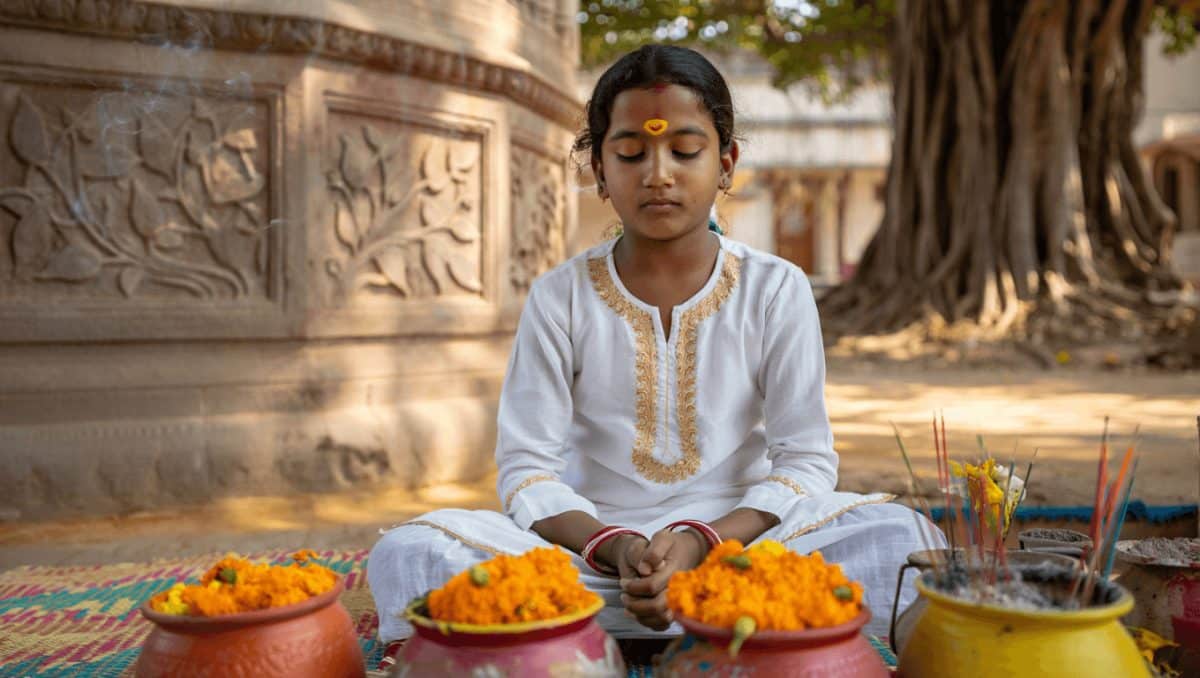
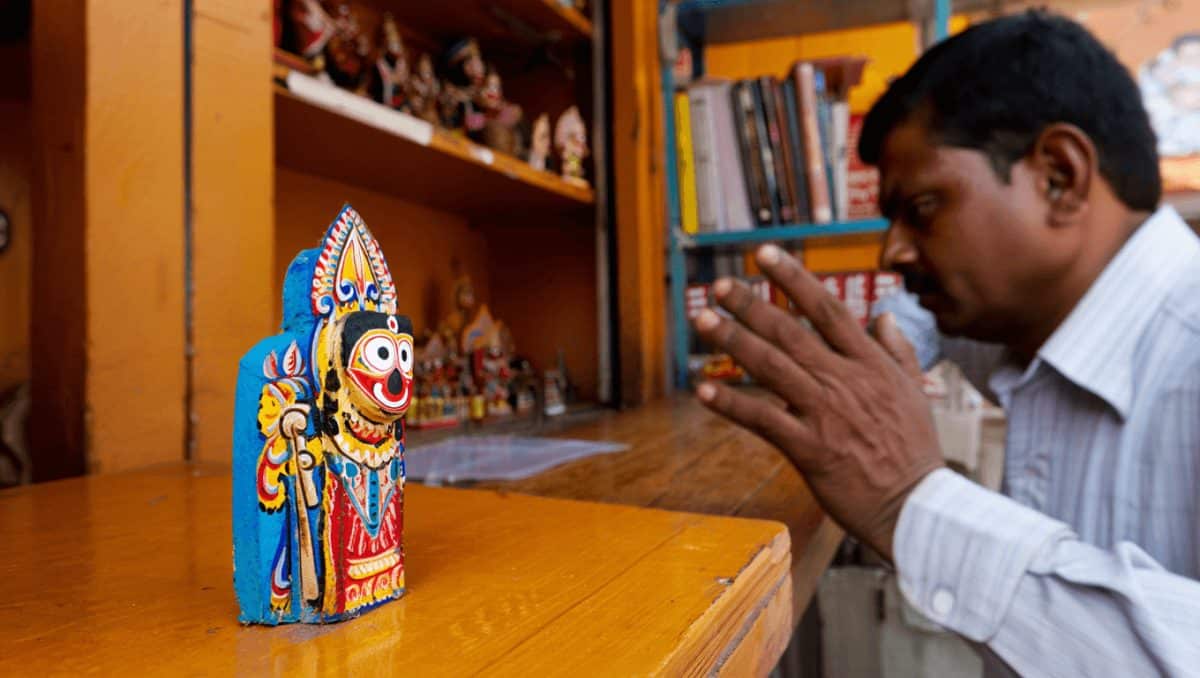
Early morning worship centers on the household altar. Many households open a fresh panchangam (almanac) to consult auspicious timings for the year ahead, recite prayers according to family custom, then present a small offering to the deities.
One signature element of Puthandu is the food offering known as mango pachadi. That dish blends sour (raw mango), bitter (neem), sweet (jaggery), spicy and astringent tastes — an edible metaphor for life’s mixed experiences, and a seasonal tonic when mangoes and neem fruit are in harvest.
Vishu: seeing abundance first
Vishu, observed in Kerala, takes a different visual approach. The pre-dawn ritual revolves around the Vishu Kani — a mirror or reflective surface arranged with items representing nature’s bounty: ripe fruits, yellow flowers, grains, coins and pieces of gold or jewelry when available. Traditionally, the household’s eldest woman arranges the kani the night before.
On the morning of Vishu, family members are brought, in silence and with their eyes closed, to view the kani first thing. The first sight is meant to be a reminder that true wealth derives from nature’s abundance and the divinity that lives within each person — an embodied prompt toward gratitude and ethical living.
| Feature | Puthandu (Tamil) | Vishu (Kerala) |
|---|---|---|
| Core ritual | Cleaning, kolam, puja, reading panchangam | Preparing and viewing the Vishu Kani at dawn |
| Signature food | Mango pachadi alongside a traditional meal on a banana leaf | A lavish sadhya with Kerala specialties (olan, avial, payasam) |
| Symbolic focus | The mix of tastes as life’s landscape | Recognizing inner divinity and nature’s abundance |
Community, continuity and the diaspora
For Hindu families living outside India, these observances are more than seasonal customs; they are tools for passing cultural memory to children born abroad. Community centers and temples in cities from Sacramento to Toronto often host combined cultural programs — music, dance and communal meals — that recreate the sensory environment of the homeland and offer a public space for younger generations to participate.
That public dimension matters in practical terms. Group celebrations help maintain language, culinary skills and ritual competence across generations, and they create social networks that offer practical support for new immigrants and established families alike.
Health, ecology and ritual science
Many of the festival elements reflect local ecological knowledge. Mango and neem products used in Puthandu are seasonally available and have documented antimicrobial or digestive properties. Vishu’s emphasis on garden produce and flowers links an ethical message — value nature as wealth — with tangible agricultural cycles.
Modern research also points to psychological benefits from ritual: structured family practices can reduce anxiety, strengthen social bonds and provide a sense of continuity that supports identity formation in multicultural settings.
- Rituals anchor seasonal awareness: both celebrations align with spring harvests and renewed daylight.
- Food and plants connect belief to biology: traditional ingredients often serve practical health functions.
- Community events preserve language and craft: public celebrations help transmit culture beyond the household.
Whether observed quietly at home or celebrated with a temple crowd, Puthandu and Vishu are reminders that renewal can be both inward and communal. They invite participants to start the year with deliberate attention to health, gratitude and the ties that bind family and neighborhood.
Tamizh Puthandu Vazthukal. Vishu Ashamsakal.