Show summary Hide summary
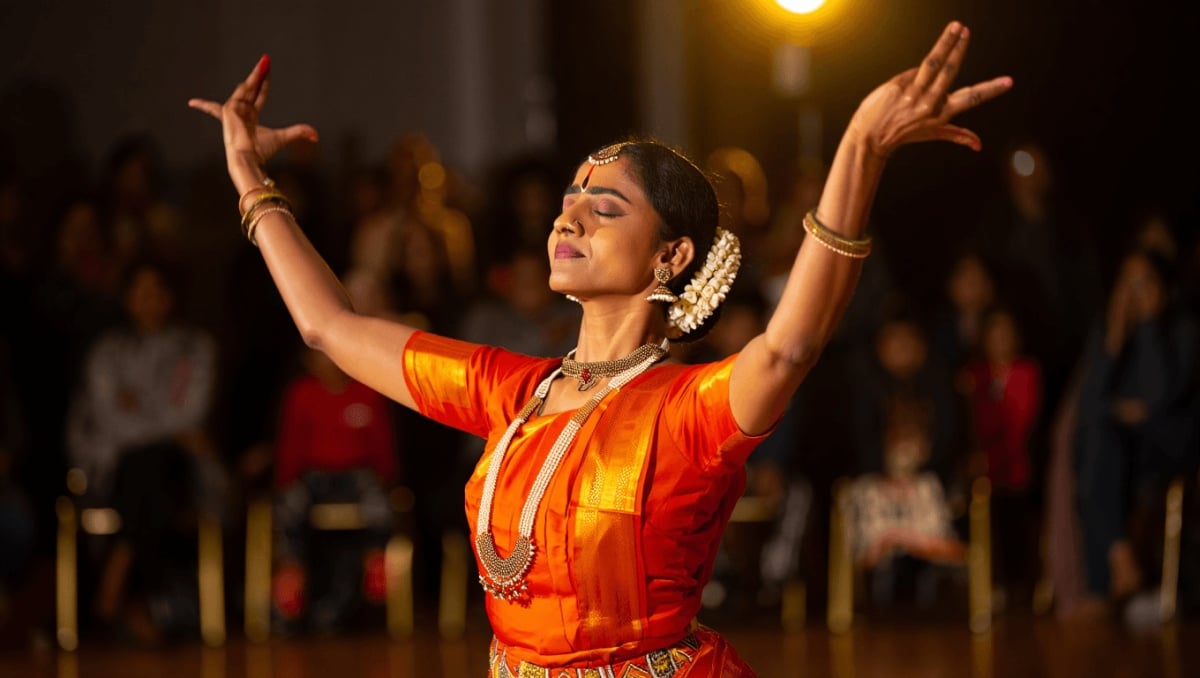
Under the glare of stage lights at Sacramento’s Natyanjali festival in April 2024, a performer felt her nerves give way the instant the music began—what followed was less a recital than a reclamation. The evening marked the end of a year-long battle with injury and the renewal of a creative identity rooted in a centuries-old South Indian tradition.
Onstage: fear, focus, and a familiar rhythm
Waiting in costume, bells on her ankles and makeup set, the dancer describes the familiar surge of adrenaline that comes before an entrance. When the varnam—a lyrical, rhythmic centerpiece of the repertoire—began in Telugu, anxiety ebbed and concentration rose. For practitioners of Bharatanatyam, those opening bars are not merely a cue; they are a portal into the work’s emotional core, where technique and storytelling meet.
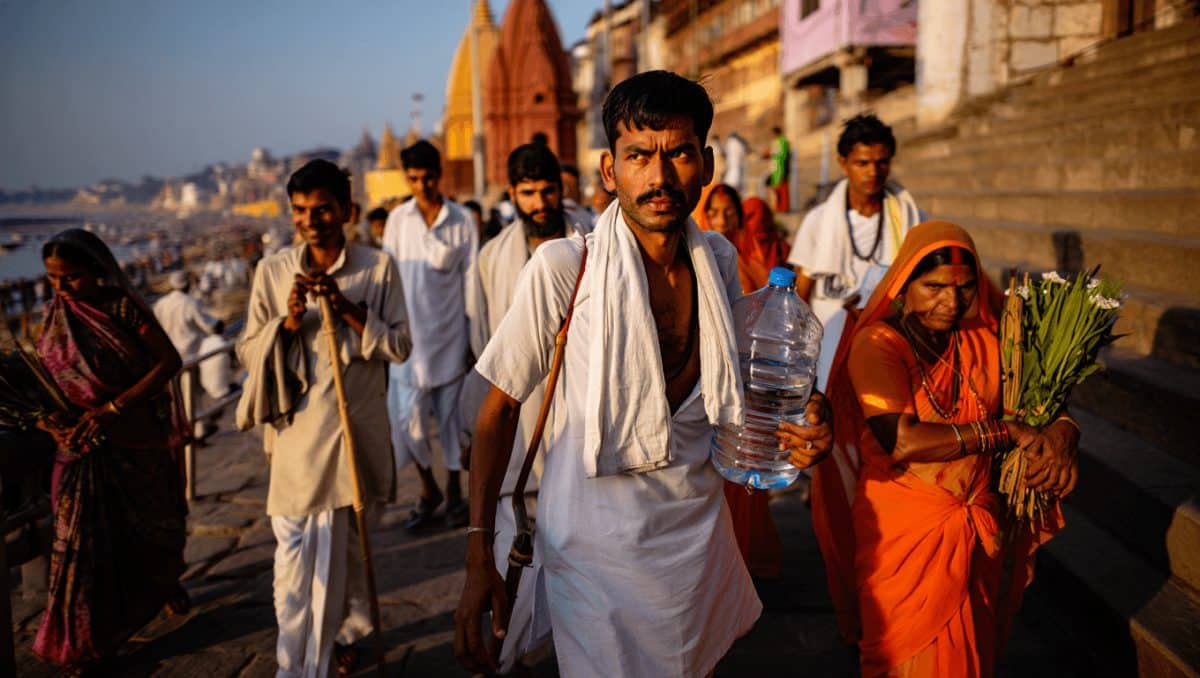
Kashi to Kedarnath costs revealed: how much a Sawan pilgrimage will set you back
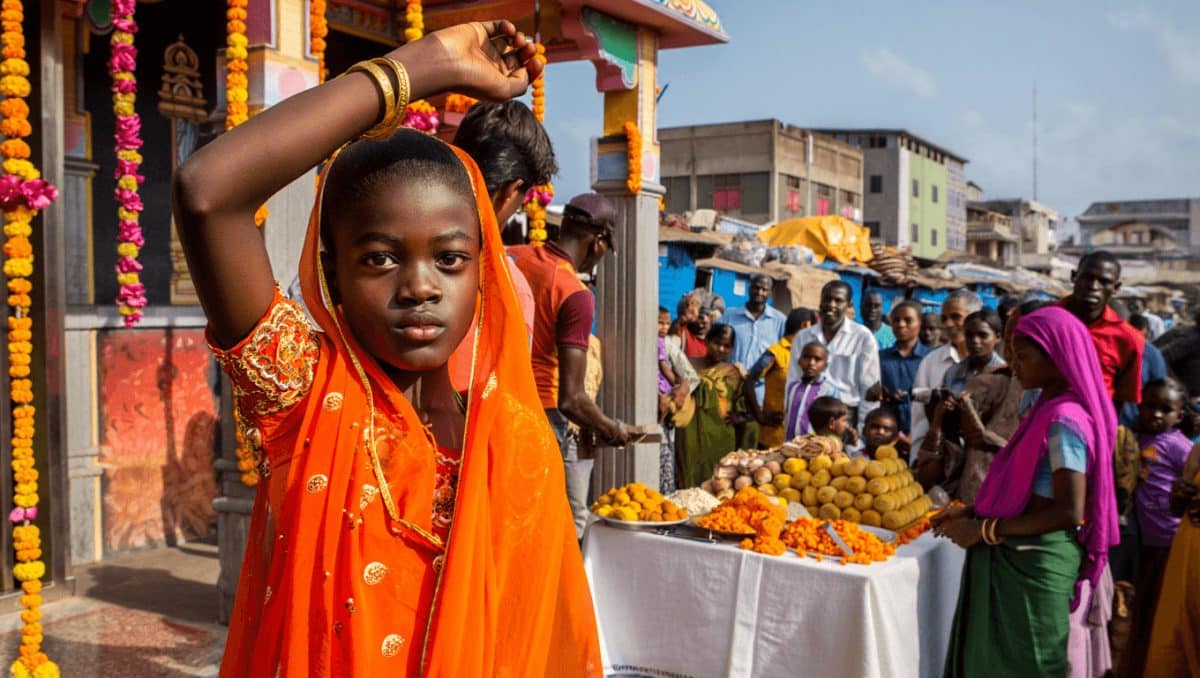
Hinduism gains ground in Africa: new communities reshape culture and commerce
The piece performed at Natyanjali traced a devotee’s longing and complaint toward a divine beloved—in this case the cosmic figure of Shiva. The narrative, like the form itself, demands both precise footwork and a depth of feeling. Recovering the stamina to execute complex korvais and expressive abhinayas after months offstage was the night’s quiet victory.
A lineage of training and ritual
Her training began in childhood in Tamil Nadu, guided by a guru who insisted on discipline and nuance from the start. That early regimen—daily exercises, musical immersion, vocal phrasing—shaped not only movement but a worldview. The dancer credits the continuity of that mentorship for keeping her practice alive through motherhood and physical setbacks.
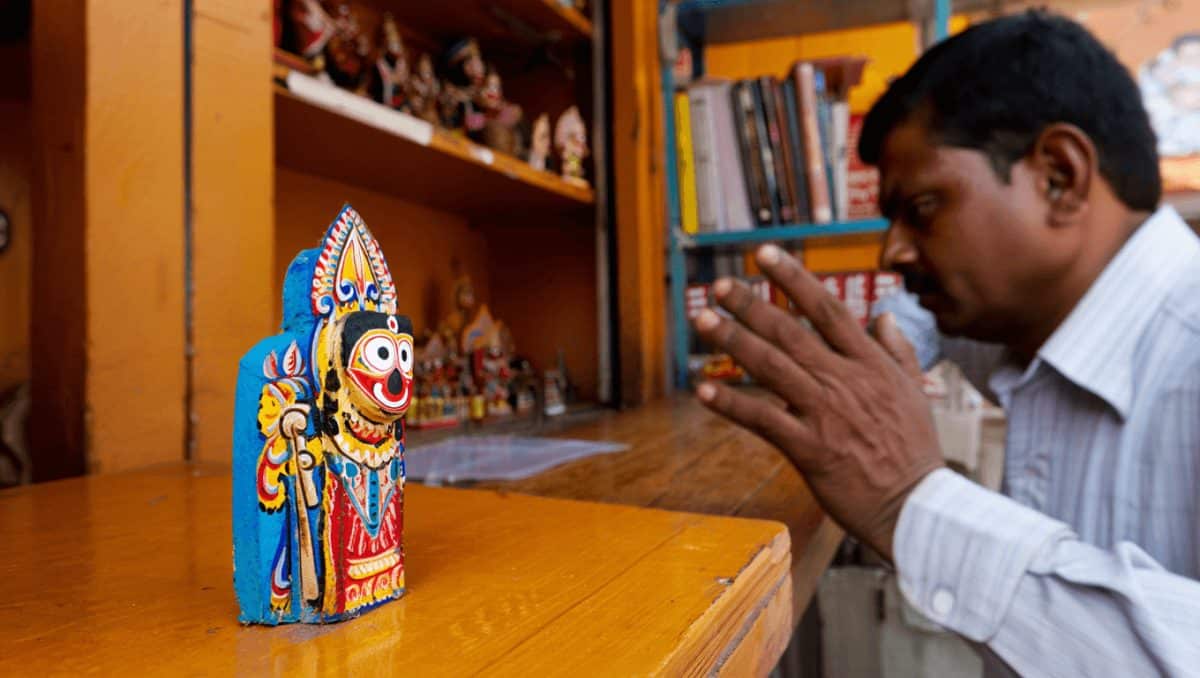
Central to her practice is an icon commonly placed in Bharatanatyam studios: the image of Nataraja, Shiva as the cosmic dancer. That small shrine has functioned as more than décor; it is a psychological anchor. On difficult days, the sight of the figure on her altar was enough to pull her back into training.
A pilgrimage that changed perspective
Earlier this year she traveled to Chidambaram to see the Thillai Nataraja in person. The temple’s carved towers and inner sanctum provoked a mixture of awe and release—an emotional response she likened to confronting one’s limits and being invited beyond them. Standing before the deity in the oil-lit sanctum, she felt grief for opportunities she never had and gratitude for those she still possesses.
That visit reframed the physical obstacles she had faced. Rather than representing defeat, injury became a turning point: a catalyst for renewed attention to self-care, therapeutic practices and a slower, more sustainable approach to training.
The restoration process included traditional remedies and modern rehabilitation—Ayurvedic treatments in Kerala, a steady yoga practice to rebuild strength, and a disciplined return to technique. For many classical dancers, the interplay of ancient therapies and contemporary physiotherapy is now common practice.
- Technique and devotion: Performance demands both rigorous training and a sustained emotional connection—what dancers call bhakti.
- Community support: Teachers, fellow artists and regional festivals provide rehearsal space, motivation and performance opportunities.
- Holistic recovery: Rehabilitation often blends traditional medicine, corrective exercise and patient pacing.
- Cultural continuity: For diaspora artists, teaching and performing keep language, music and ritual alive across generations.
Why this matters now
Stories like this sit at the intersection of health, heritage and identity. As classical arts navigate aging audiences, limited funding and the pressures of modern life, personal recoveries signal how resilient these forms remain—when communities make room for repair and adaptation.
For readers beyond the dance world, the account offers broader takeaways: artistic practice can be a source of psychological resilience; traditional rituals and icons can play a practical role in recovery; and cultural practices transplanted across continents continue to evolve rather than fossilize.
Back in Sacramento, the dancer left the stage not simply relieved but changed. Her art, she says, is no longer only performance or profession—it is a way of being. In a life shaped by loss, care and perseverance, Bharatanatyam has become both home and compass: a continuing practice that connects the body, community and the sacred.
Takeaways for artists and audiences
- Support structures—teachers, peers, local festivals—are vital to sustaining classical forms.
- Rehabilitation that respects both physical and cultural needs leads to longer careers and fuller recoveries.
- Engagement with ritual and heritage can deepen personal meaning without excluding critical, practical decisions about health and technique.