Show summary Hide summary
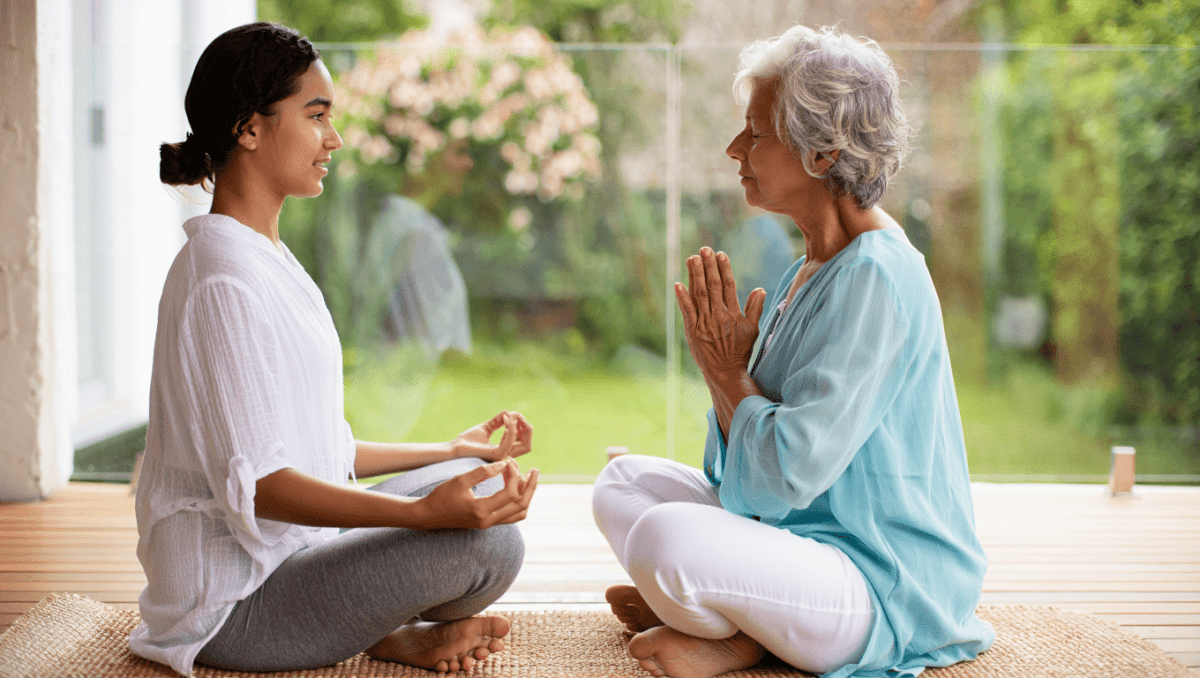
On International Yoga Day, the poses and playlists that dominate studios and social feeds tell only part of the story. For many families who have practiced yoga for generations, the discipline remains a daily framework of breath, ethics and ritual — a holistic system that goes far beyond fitness trends, and that matters as the practice spreads worldwide.
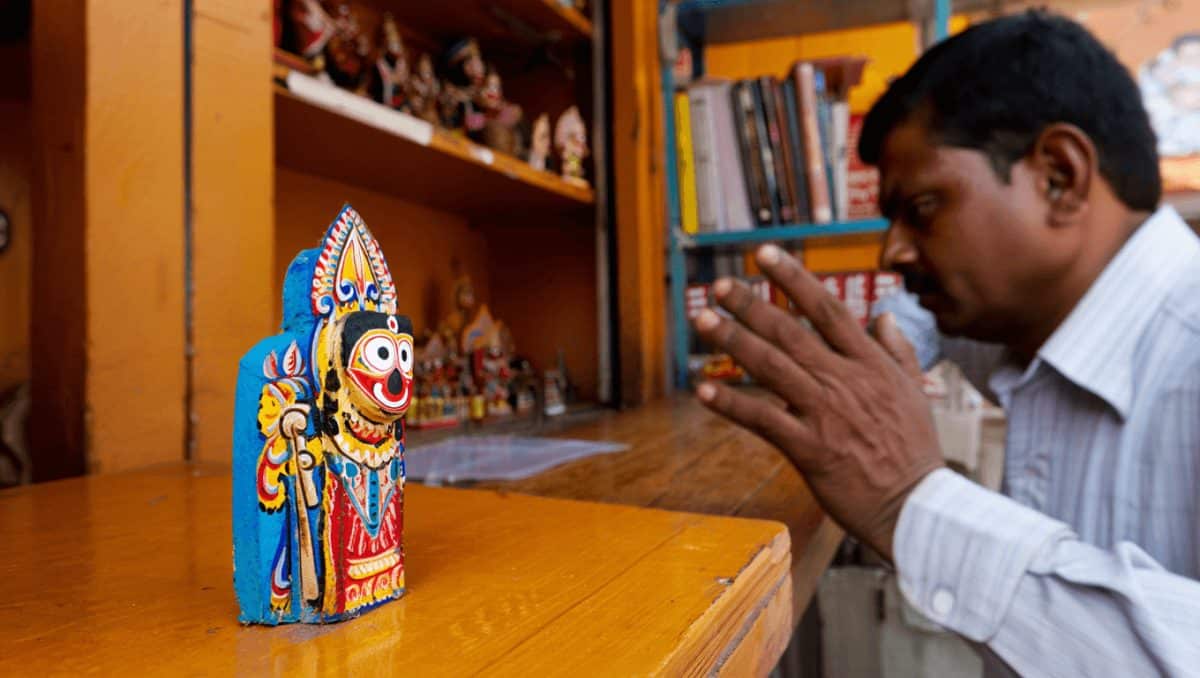
I grew up watching yoga as an integral household routine in southern India, not as a weekend workout. Mornings began with breathwork on an empty stomach, a quick wash, then a jute mat unfurled in a corner of the courtyard. Clothing was adapted for movement; the posture practice came later, but never before a brief ritual of thanksgiving to the lineage and to the sage remembered as the architect of classical yoga.
A practice shaped by devotion, not just exercise
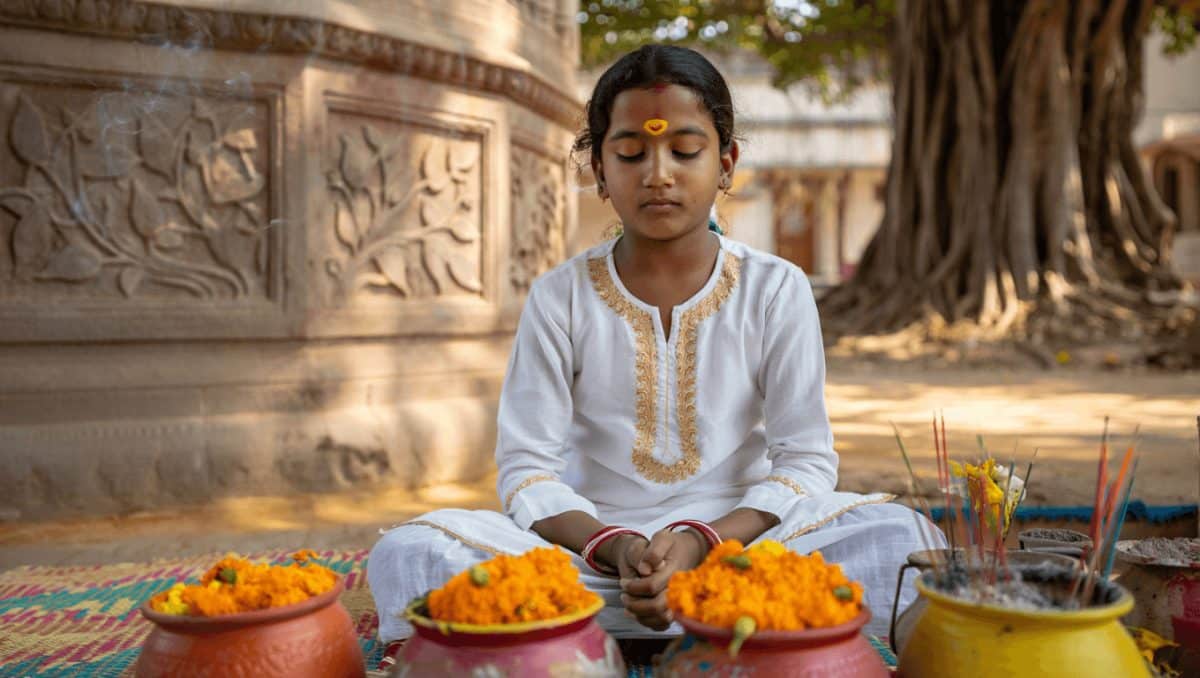
For my grandparents, yoga was woven into religious life. Stretching and balance were visible elements, but they sat alongside prayer readings, seasonal fasts and the care of plants and flowers used in daily worship. Evenings were for memorizing short hymns, discussing ethical conduct and reminding the household to speak and act with restraint and kindness.
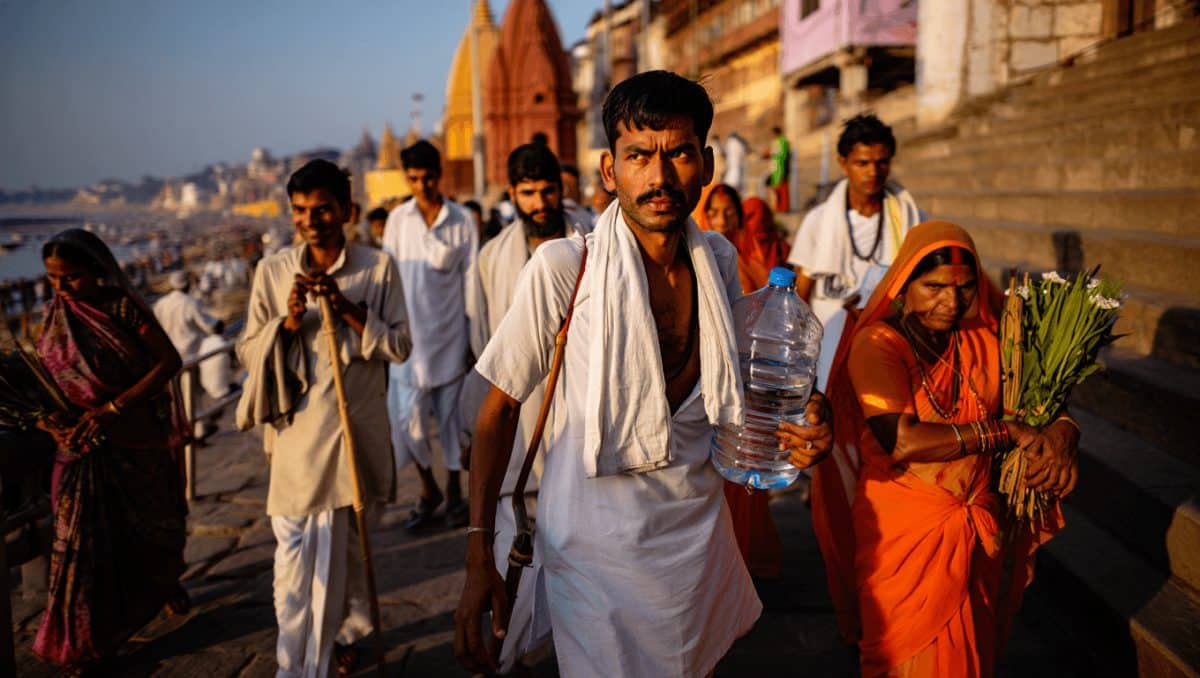
Kashi to Kedarnath costs revealed: how much a Sawan pilgrimage will set you back
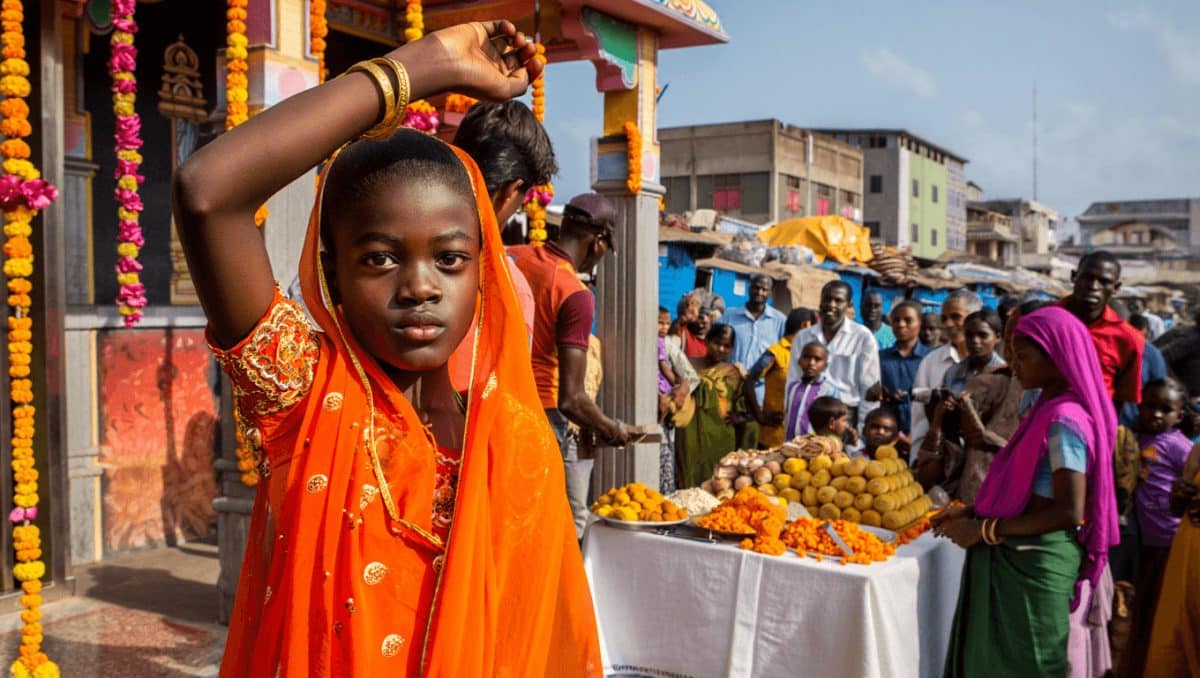
Hinduism gains ground in Africa: new communities reshape culture and commerce
That combination—physical discipline plus ethical training and devotion—was the point. The posture was a means to a quieter, more attentive life, not the end itself.
Patanjali, the classical figure associated with the Yoga Sutras, was invoked at the start of many sessions not as academic trivia but as a gesture of lineage: an acknowledgment that the practice belongs to a longer tradition that connects body, mind and language.
What traditional training looks like
Traditional teachers I encountered in a summer camp in Karnataka taught without spectacle. They wore simple dhotis, introduced poses one at a time, and observed each student closely over weeks to see how a posture affected body and mind. The goal wasn’t to force every student into every posture but to find what suited an individual temperament and physiology.
- Yama — restraints or moral rules that govern how one lives among others.
- Niyama — personal observances, habits that cultivate discipline and cleanliness.
- Asana — the physical posture, practiced to allow comfortable, sustained sitting for meditation.
- Pranayama — breath regulation to steady the nervous system and attention.
- Pratyahara — withdrawal of the senses to reduce distraction.
- Dharana — concentrated attention.
- Dhyana — sustained, uninterrupted meditation.
- Samadhi — the state of integrative absorption or deep insight the practice aims toward.
The teachers I met used multi-week cycles: introduce an asana, practice it daily for a period, and monitor how it affects sleep, digestion, mood and focus before deciding whether it’s appropriate. That method treats yoga as a personalized, therapeutic process rather than a one-size-fits-all fitness class.
Why this matters now
In the United States and other Western markets yoga has become a major industry — apparel, studios, apps and influencer-led trends. That expansion has invited many people to practice who would not otherwise have encountered yoga, but it has also narrowed public perception. When yoga is reduced to branded leggings and Instagram-friendly flows, its ethical and spiritual dimensions can be sidelined.
The consequence is cultural flattening: a complex, lived tradition reframed primarily as exercise or lifestyle content. For readers who practice or teach, recognizing that history and context changes what the practice can offer — from short-term flexibility gains to longer-term shifts in attention, behavior and community life.
Practical implications for anyone serious about yoga today:
- Learn the vocabulary: using original names for poses helps preserve context and accuracy.
- Ask teachers about lineage, ethics and breathwork, not only sequencing and playlists.
- Be wary of one-size-fits-all classes; a posture that benefits one person may not suit another.
- Explore reliable sources that discuss yoga’s history and philosophical dimensions.
Personal and cultural continuity
Small family habits—gathering flowers for a daily altar, teaching children a few Sanskrit lines, assigning household chores as service—kept yoga present in ordinary life. Those practices felt less like ritual theater and more like a daily curriculum for attention and care.
On the other hand, there are efforts by community organizations and scholars to document and explain yoga’s roots more clearly for a global audience. Those conversations are important if the practice is to be transmitted honestly as it becomes more widespread.
International Yoga Day can be a prompt: not just to post a photo of a pose, but to ask what else the practice might offer. A posture for flexibility is useful; a practice that shapes speech, attention and moral conduct can reshape how people live. For many practitioners with deep family ties to yoga, that broader view remains central.
If you celebrate today, consider spending a little time learning one traditional element you don’t already know — a short chant, a breathing technique, or the original Sanskrit name of a posture. It’s a small step toward connecting a modern habit with a much older tradition.
Happy International Yoga Day.