Show summary Hide summary
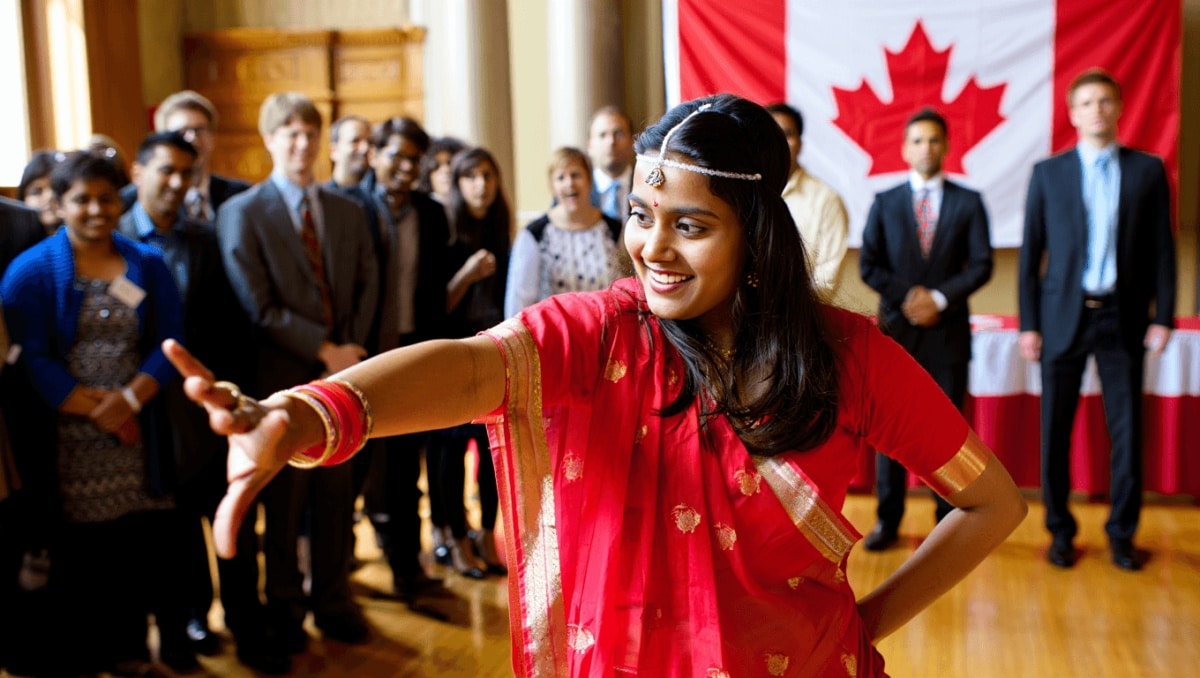
A short video of a woman dancing garba at a Canadian citizenship ceremony has ignited a heated online debate about cultural expression, belonging and respect for public rituals. What began as a personal celebration after years abroad has become a flashpoint for larger questions about integration and online intolerance.
What unfolded
The footage, shared by the couple involved, shows them marking the moment they received their citizenship certificates while celebrating with traditional Gujarati dance and the Canadian flag nearby. The post said the scene marked the end of a long journey and the start of life as official citizens.
Kashi to Kedarnath costs revealed: how much a Sawan pilgrimage will set you back
Hinduism gains ground in Africa: new communities reshape culture and commerce
Within hours the clip circulated widely. Reactions split: some users criticized the display as inappropriate for a formal ceremony and suggested immigrants should leave some cultural markers behind when they move abroad, while others defended the couple’s right to celebrate in a way that reflects their heritage.
Voices on both sides
Critics framed the episode as disrespectful to the ceremony’s solemnity and questioned whether overt cultural displays belong in such settings. A number of comments escalated into broader cultural judgments, sometimes using pejorative language that targeted people from South Asia.
Supporters pushed back, arguing that citizenship is a milestone often celebrated with personal and cultural meaning, and that expressing one’s roots need not signal rejection of a new country. For many defenders, the dance was a spontaneous expression of joy rather than a political statement.
Why it matters now
The incident is more than an isolated online kerfuffle. It touches on ongoing tensions in plural societies about how newcomers balance private identity with public norms, and how social media amplifies conflict over those boundaries.
- Identity and belonging — Citizenship can be both legal status and emotional milestone; celebrations often blend home-country traditions with new-country symbols.
- Social norms — Debates surface over what is considered appropriate at formal events and who sets those standards.
- Online amplification — Social platforms can rapidly escalate local moments into national conversations, frequently polarizing views.
- Xenophobia and double standards — The backlash highlighted how cultural practices by some immigrant groups draw harsher criticism than similar displays by people from Western countries.
- Policy and practice — While ceremonies are administered by authorities, the ways people mark them are informal and vary widely.
Broader context
Canada’s public life is often described as multicultural, and personal customs feature regularly in community celebrations. Yet public disagreement over cultural expression is not new: ceremonies, sports events and national holidays have repeatedly become arenas where questions of national identity and assimilation are argued out.
What differs in this case is the speed of online reaction and the sharpness of the rhetoric. The exchange underscores how easily a celebratory moment can become fodder for wider cultural anxieties, and how immigrants navigate a narrow path between preserving heritage and meeting public expectations.
For readers, the episode raises practical questions: how should hosts and guests conduct themselves at formal ceremonies, and where should the line be drawn between personal expression and communal decorum? Answers will vary, but the debate makes clear that those questions are topical and likely to recur as societies continue to diversify.