Show summary Hide summary
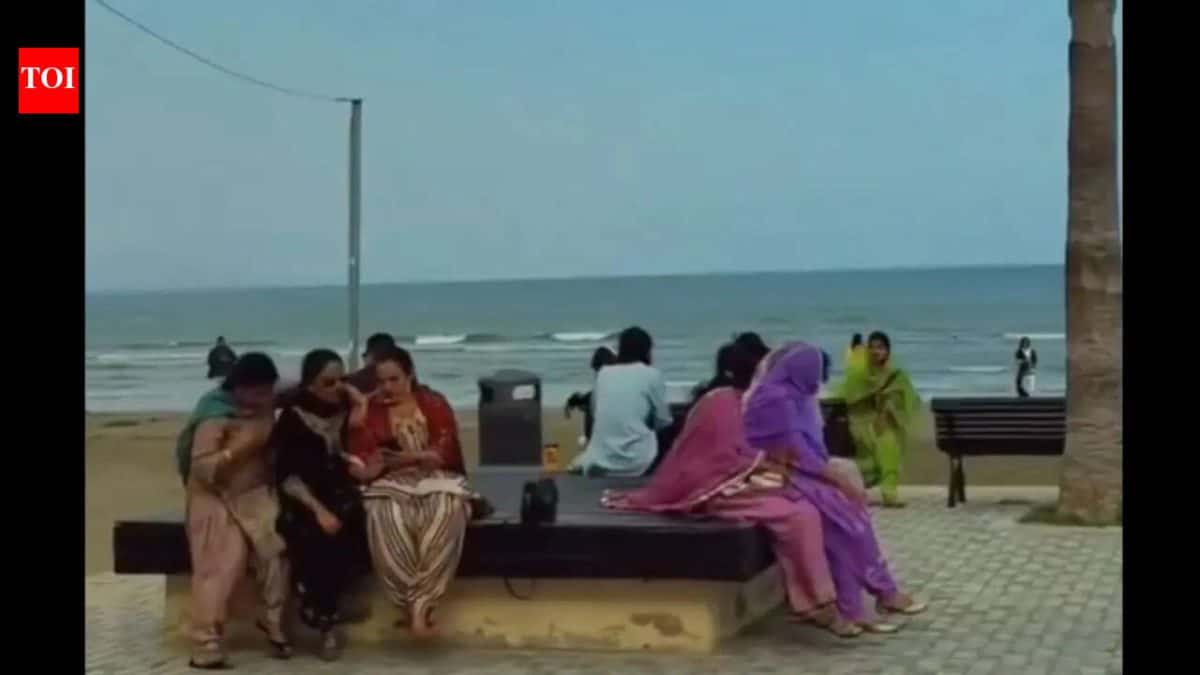
A short video that circulated online on April 22, 2026, showing crowded streets in a Cypriot town has reignited a debate about migration and cultural change on the island. The clip — widely shared with captions saying the scene was “looking like Bombay” — prompted competing reactions from locals, expatriates and observers about what the footage actually represents and why it matters now.
The moment captured on social platforms highlights how a single snapshot can shape public discussion about migration, tourism and social cohesion. On one side, commenters framed the scene as evidence of a demographic shift; on the other, critics warned the clip risks amplifying stereotypes and spreading unverified claims.
What the clip shows — and what it doesn’t
The short recording depicts a dense, multilingual crowd on a public street. Several users interpreted the visual as proof that people of Indian origin are becoming highly visible in certain neighborhoods. Others pointed out that stills and short clips lack context — they can reflect a local market day, a festival, a commuter surge or a temporary influx tied to tourism or events.
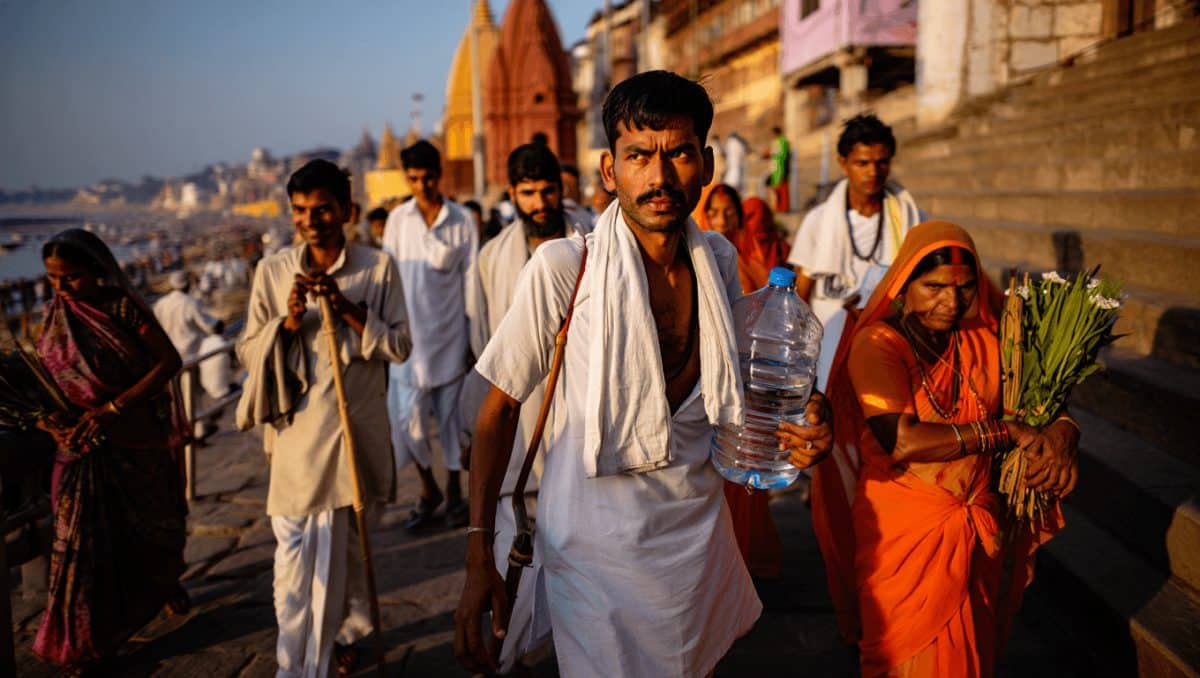
Kashi to Kedarnath costs revealed: how much a Sawan pilgrimage will set you back
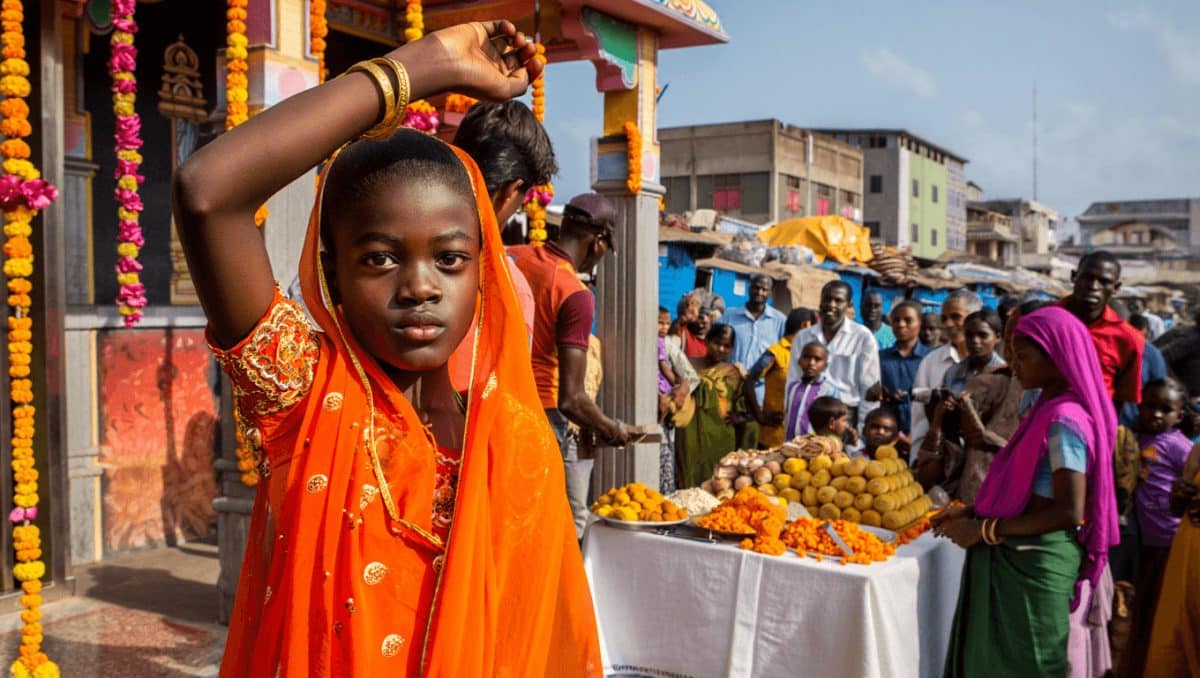
Hinduism gains ground in Africa: new communities reshape culture and commerce
Without corroborating details—time-lapse footage, location metadata or on-the-ground reporting—conclusions based solely on a single viral post remain tentative. Social media amplification can create a misleading impression of permanence from a fleeting scene.
Why this matters today
Cyprus has been navigating competing pressures: a tourism-driven recovery, labour demands in specific sectors, plus an expanding community of foreign residents and students. A widely shared clip like this touches on several live concerns for residents and policymakers — from housing and services to social integration and local identity.
At the same time, viral moments can accelerate tensions online, pushing conversations toward alarmist or xenophobic tones unless balanced by verified reporting and measured public discussion.
Possible explanations behind the footage
- Event or festival: Local celebrations, religious gatherings or cultural fairs often bring concentrated crowds and a diversity of attendees.
- Tourism peak: Seasonal visitor flows can transform small streets into bustling corridors for short periods.
- Daily commerce: Market days or popular shopping districts naturally attract dense foot traffic.
- Work and migration patterns: Increased arrivals for employment, education or family reunification contribute to longer-term demographic change in specific districts.
Broader implications and responses
Public reaction to the video highlights three practical stakes for Cyprus:
- Policy: Local authorities must balance service provision, housing and labour planning amid fluctuating demand.
- Community relations: Rapid narratives based on viral clips can strain relations between communities unless countered by factual, empathetic engagement.
- Information integrity: Social platforms accelerate stories; verification and context from local reporters and institutions are essential to avoid misinformation.
Observers say the most constructive response is fuller reporting and official clarification where necessary. Short-form content can illuminate daily life, but it can also create distortions if viewers treat a moment as a definitive trend.
Looking ahead
Whether Cyprus is experiencing a long-term demographic shift or simply a localized surge depends on data and sustained reporting rather than a single viral clip. For residents, the immediate questions are practical: whether public services and neighbourhood dynamics are keeping pace; for policymakers, the task is to translate short-term pressures into coherent planning.
Until those facts emerge, the viral video remains a catalyst for discussion — and a reminder that online snapshots often raise more questions than they answer.