Show summary Hide summary
As the monsoon returns across northern India, households and temples begin preparing for Shravan, the sacred month traditionally dedicated to Lord Shiva. What once functioned mainly as a cycle of rituals and local festivals now carries broader significance—for community life, environmental rhythms and personal wellbeing.
Shravan lands in July–August on the Gregorian calendar and remains one of Hinduism’s most observed months. For many devotees, it is marked not only by prayer but by a visible reordering of daily life: dietary choices, travel plans and social gatherings shift to accommodate fasts, temple visits and pilgrimages.
How people observe the month
Practices vary widely by region and household, but several patterns recur. Monday fasts, special worship at Shiva shrines and communal festivals are the most prominent rituals. In urban apartments as well as rural hamlets, these acts create a shared tempo that shapes neighbourhood activity for weeks.
Kashi to Kedarnath costs revealed: how much a Sawan pilgrimage will set you back
Hinduism gains ground in Africa: new communities reshape culture and commerce
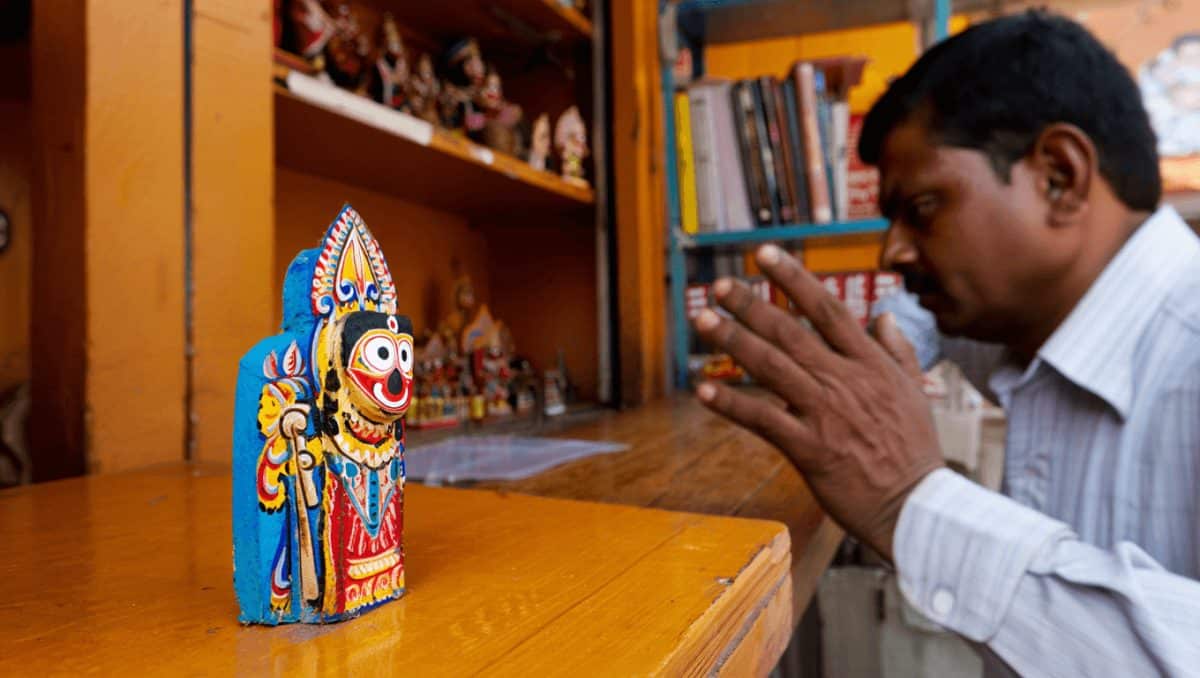
- Shravan Somvar — Many devotees fast on Mondays, using the day for concentrated prayer, mantra recitation and offerings at the Shiva Lingam.
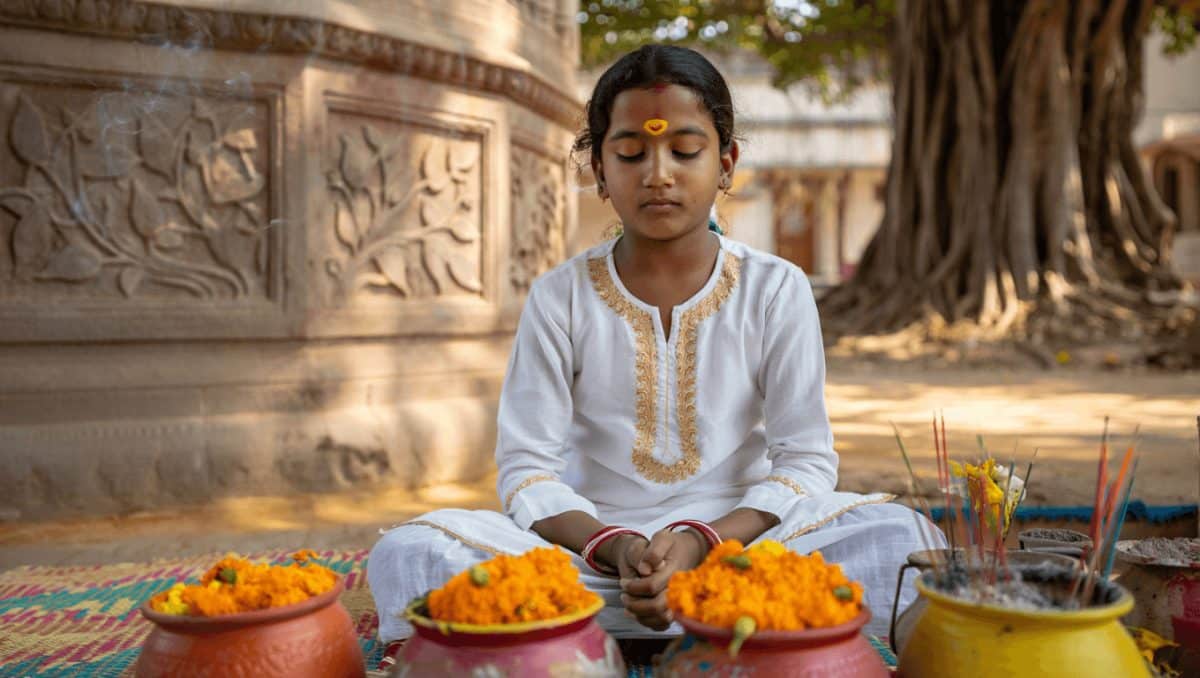
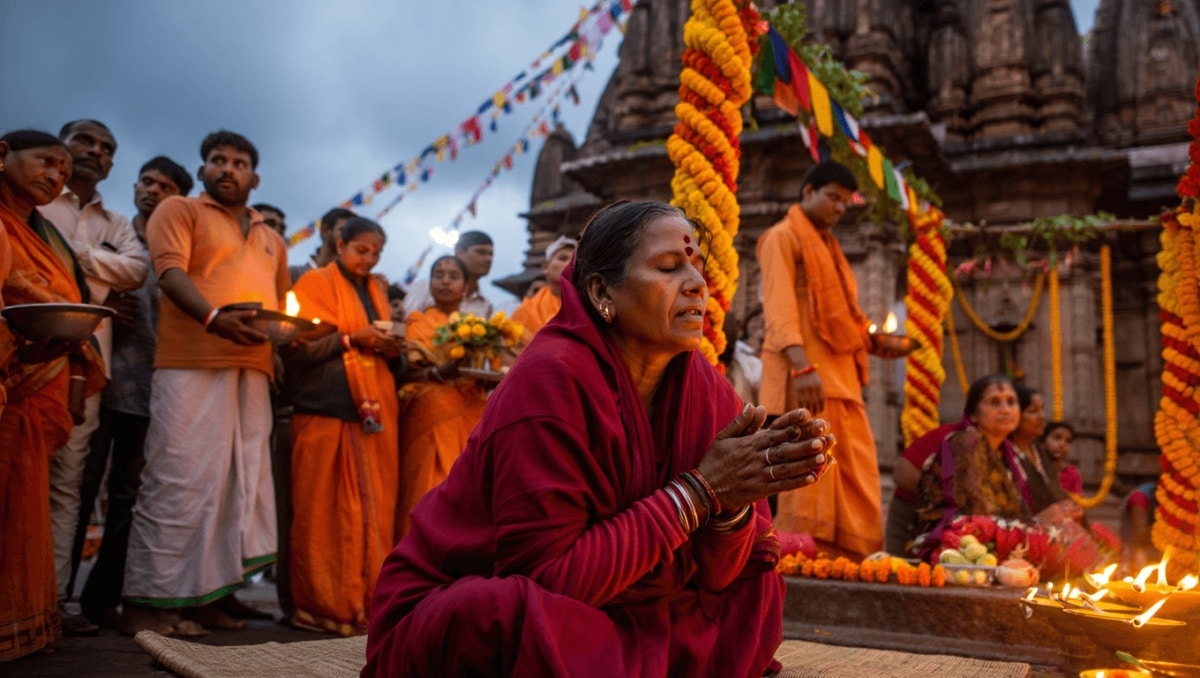
- Temple rituals — Ritual bathing of the lingam, chanting of “Aum Namah Shivaya,” and organized pujas bring congregations together, often at dawn or dusk.
- Dietary restrictions — Households commonly avoid meat and alcohol, choosing simple, sattvic meals during the month.
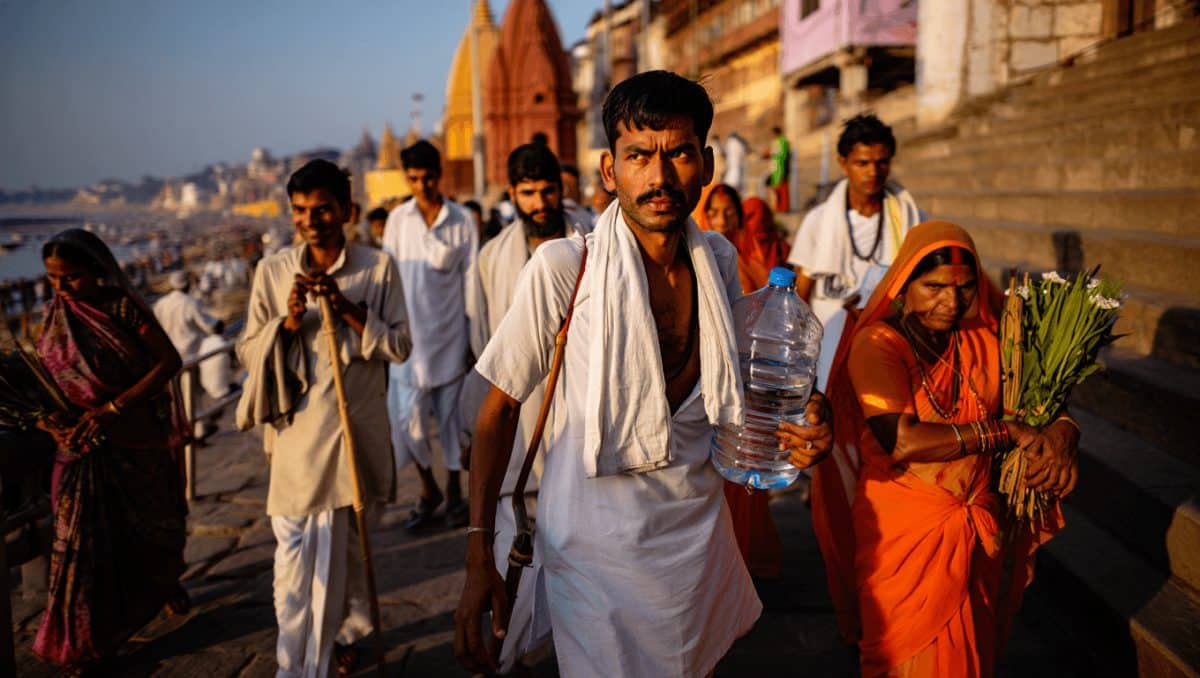
- Pilgrimage — The Kanwar Yatra involves devotees carrying river water over long distances to pour on Shiva shrines; the procession is both devotional and highly visible.
Some practices are intimate and private; others are large-scale and public. That combination is part of Shravan’s social power.
Pilgrimage, public space and practical pressures
Large pilgrimages such as the Kanwar Yatra draw thousands and have real-world consequences. Roads, public transport and local services see a surge of demand during peak days. Municipal authorities often prepare specially for crowd management, sanitation and traffic control.
At the same time, these gatherings can be a lens on resilience: after pandemic restrictions eased, many communities reported a renewed appetite for shared ritual, which has helped restore local economies tied to temple tourism and market activity.
Stories, memory and moral lessons
Beyond ritual, Shravan is a repository of narratives that inform moral behavior. One of the enduring tales associated with the month is that of Shravan Kumar, a devoted son whose story—about filial duty and tragic consequence—has been retold in regional traditions for generations. Such narratives give Shravan a moral texture that goes beyond liturgy, shaping values around duty, sacrifice and compassion.
Legends and local folklore also animate festivals like Teej and Naga Panchami, which interweave domestic celebration with seasonal ecology.
Why Shravan matters today
There are practical reasons to pay attention to Shravan now. For cities and districts, the month brings predictable spikes in mobility and public needs; for health planners, widespread fasting and mass gatherings require gentle public messaging on nutrition and safety. For citizens and cultural observers, Shravan offers a moment to reflect on how ritual life adapts to modern pressures—climate change, urbanization and post-pandemic social recovery.
On an individual level, many adherents report that the month’s routines—regular prayer, simplified diet, and communal participation—support mental focus and a sense of belonging. Those effects matter in a time when social bonds are often stretched thin.
Quick guide: what to expect during Shravan
- Early mornings at temples increase, especially on Mondays.
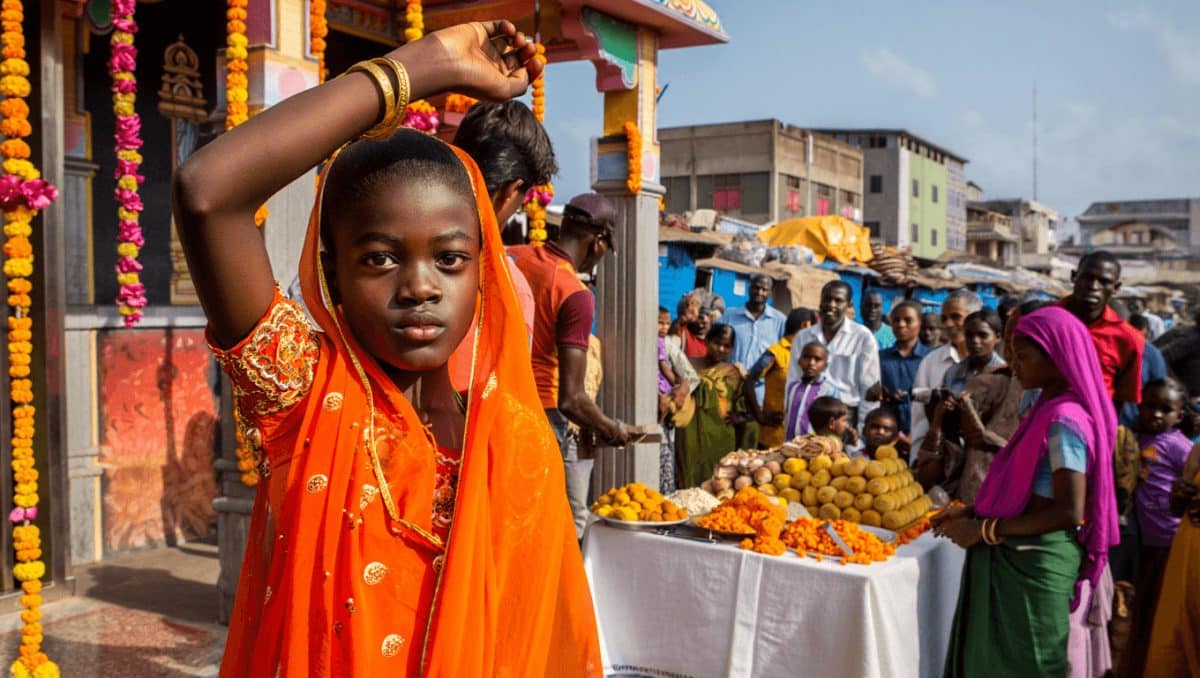
- Local markets sell seasonal items—flowers, milk, sandalwood and small pots for water offerings.
- Public transport schedules may be altered in pilgrimage corridors; plan travel accordingly.
- Community festivals can bring music, dance and feasting, alongside quieter days of fasting and reflection.
Shravan blends the personal and the communal: a month when ritual practice, seasonal cycles and shared memory converge. Whether observed as a time for private discipline or large-scale pilgrimage, its rhythms continue to shape public life and private belief across regions where the monsoon and devotion meet.