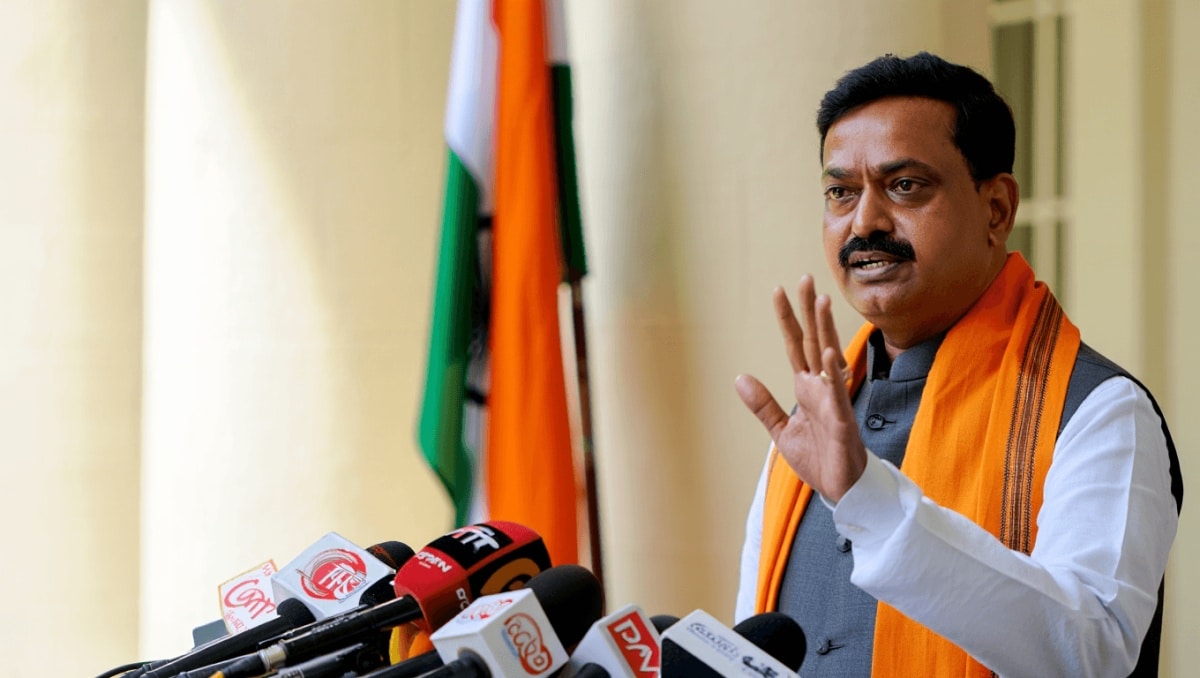
Deputy Chief Minister Keshav Prasad Maurya on Thursday welcomed Parliament’s plan to introduce the Nari Shakti Vandan Adhiniyam and a fresh delimitation bill, calling the move a landmark for women’s representation. The proposals, debated during a special parliamentary session, could reshape seat allocations and corporate a significant shift in how women are represented in legislatures across India.
Maurya framed the push as a decisive step for women’s political power and said those opposing the measure would face voters’ disapproval. Speaking in Lucknow, he suggested the opposition would be “punished by half the population,” arguing that the Bharatiya Janata Party stands to gain from increased support among female voters if the changes pass.
The deputy chief minister also pointed to the delimitation bill as a vehicle to expand Lok Sabha seats in several states, a technical change with potentially wide electoral consequences. Officials say delimitation can alter constituency boundaries and seat numbers, which parties must weigh when planning candidate strategies.
Kashi to Kedarnath costs revealed: how much a Sawan pilgrimage will set you back
Hinduism gains ground in Africa: new communities reshape culture and commerce
Party rows over religion-based reservation
Maurya took aim at Samajwadi Party chief Akhilesh Yadav, accusing him of resisting the women’s reservation legislation and of being unwilling to champion women’s welfare. He pushed back against the SP’s call for a separate quota for Muslim women, saying internal party decisions are one thing, but they should not block a nationwide law intended to increase women’s legislative representation.
Deputy Chief Minister Brajesh Pathak reiterated government support for the amendments and defended the timing of the special session. Pathak invoked the framers of the Constitution, arguing that reservation policy should not be conflated with religious identity and urging the Samajwadi Party to withdraw objections and back the bill.
- What’s on the table: Nari Shakti Vandan Adhiniyam (women’s reservation) and a delimitation bill.
- Supporters: Senior state leaders from the ruling party publicly welcomed the measures.
- Opposition concerns: Some parties, notably the Samajwadi Party, have sought separate provisions for Muslim women and raised objections.
- Immediate impact: If enacted, the amendments would increase women’s representation and could change Lok Sabha seat distributions.
The debate matters beyond party rhetoric. A national law guaranteeing reserved seats for women would alter candidate selection, internal party quotas and constituency-level campaigning. Delimitation, meanwhile, can shift the map of electoral influence, making previously safe seats competitive and prompting recalculations by political strategists.
What happens next: the government intends to press the amendments through both Houses during the special session. Observers will watch whether dissenting parties maintain public resistance or move to negotiate amendments and whether the legislative timetable holds.
Key developments to follow in the coming days include floor votes in Parliament, formal responses from opposition benches, and any legal or political challenges that may arise as the changes advance.