Show summary Hide summary
A recent caste survey in Telangana finds that traditional hierarchies still shape both public life and private choices: thousands of households report being blocked or intimidated at religious sites, and inter-caste marriages remain uncommon. These patterns matter now because they affect social mobility, access to public spaces and the pace of social change across the state.
Religious access: where restrictions persist
Data from the state’s caste enumeration show that roughly 6.4 lakh households — about 5.7% of all families surveyed — said they faced some form of restriction or intimidation when visiting local places of worship. The experience is not limited to one community: reported barriers appear across scheduled tribes, backward classes, scheduled castes and households in the general category.
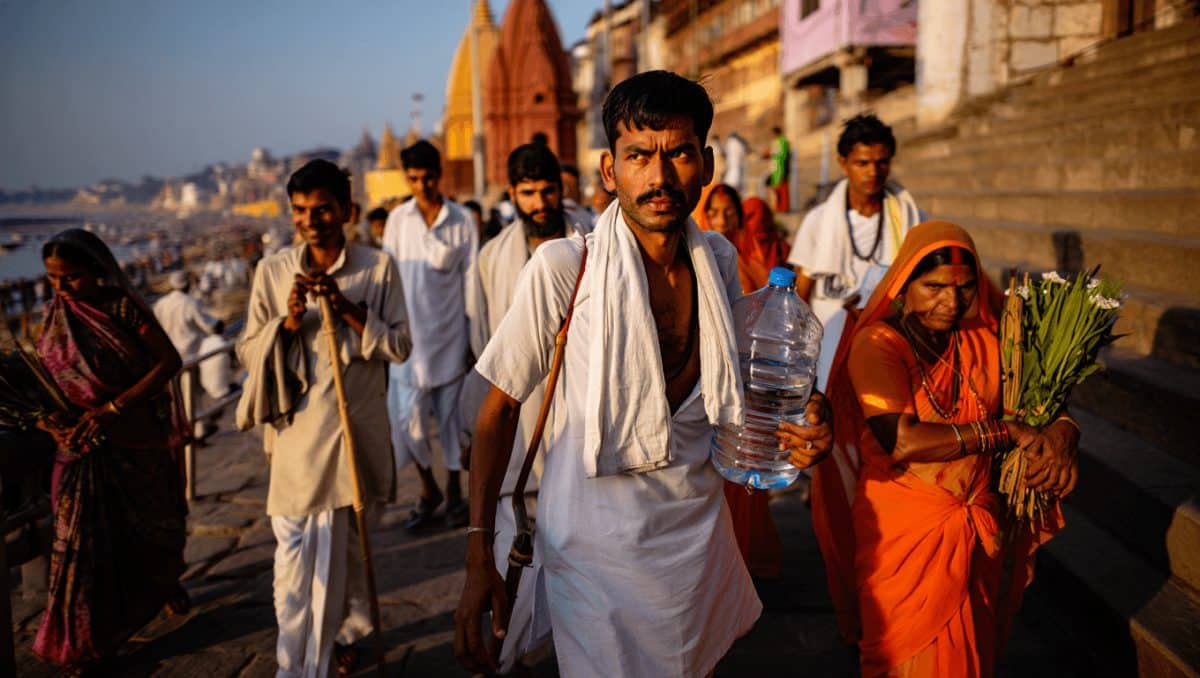
Kashi to Kedarnath costs revealed: how much a Sawan pilgrimage will set you back
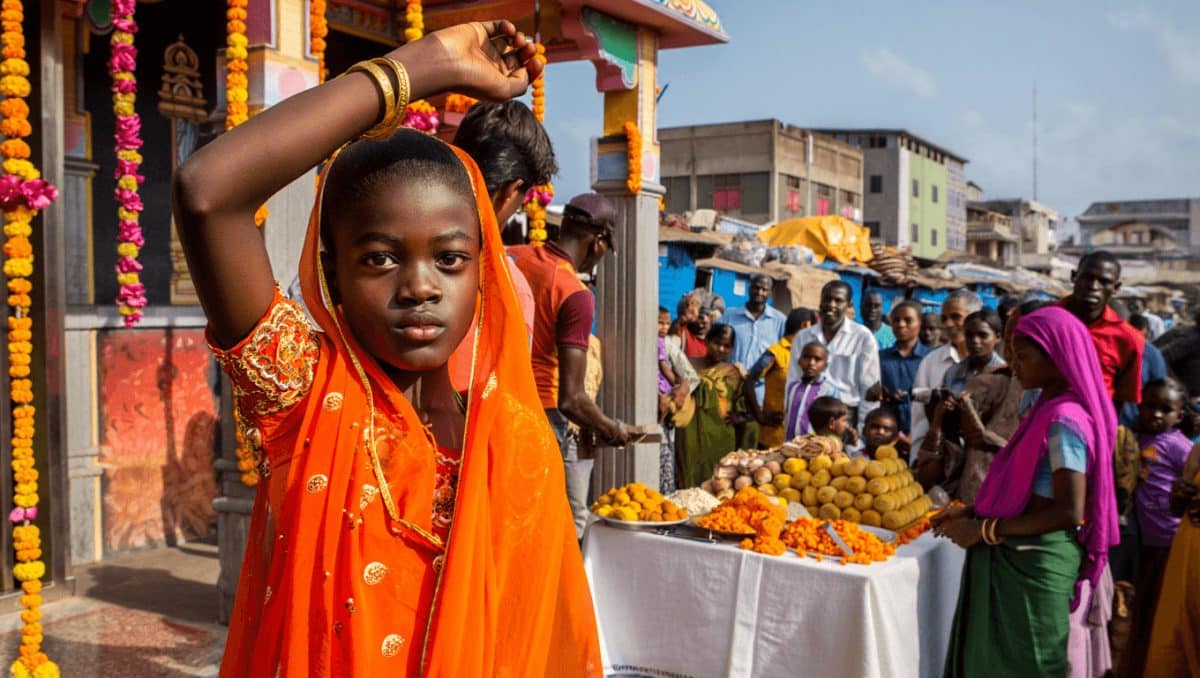
Hinduism gains ground in Africa: new communities reshape culture and commerce
The survey’s figures by group are: fewer than 4% of ST households reported problems, while the share was higher among BCs, SCs and OCs, each near the 5% mark. The report highlights both actual exclusion and the continued perception of being unwelcome as important indicators of caste-based segregation in public religious life.
Marriage and social boundaries
Inter-caste marriages, often used as a measure of social openness, remain rare in Telangana. Only about 6.27 lakh households — roughly 5.6% of the total — reported at least one inter-caste union in the family, meaning nearly 95% of families still marry within their caste or community.
Rates vary across groups: households in the general category show the highest incidence of inter-caste marriages at 5.8%, while scheduled tribes record the lowest at 3.2%. Backward classes and scheduled castes report similar levels, around 4.7% and 4.9% respectively.
| Group | % reporting restrictions at places of worship | % of households with at least one inter-caste marriage |
|---|---|---|
| Scheduled Tribes (ST) | 3.9% | 3.2% |
| Backward Classes (BC) | 5.0% | 4.7% |
| Scheduled Castes (SC) | 5.3% | 4.9% |
| Other Castes / General (OC) | 5.4% | 5.8% |
| All households (total) | 5.7% (≈6.4 lakh households) | 5.6% (≈6.27 lakh households) |
Those numbers underline two connected realities: restrictions at worship sites show how caste influences access to communal spaces, while the scarcity of inter-caste unions points to persistent social boundaries within families.
- Public implications: limits on religious access can signal exclusion from community life and civic participation.
- Private implications: low inter-caste marriage rates suggest slow change in social norms and continued pressure to conform within communities.
- Policy stakes: the data provide a baseline for targeted interventions on social inclusion and conflict prevention.
Officials and civil society groups will likely study these figures as they craft programmes to reduce exclusion, but the survey makes clear that social stratification in Telangana remains a live issue — one that touches daily routines, family choices and the shape of social integration across the state.