Show summary Hide summary
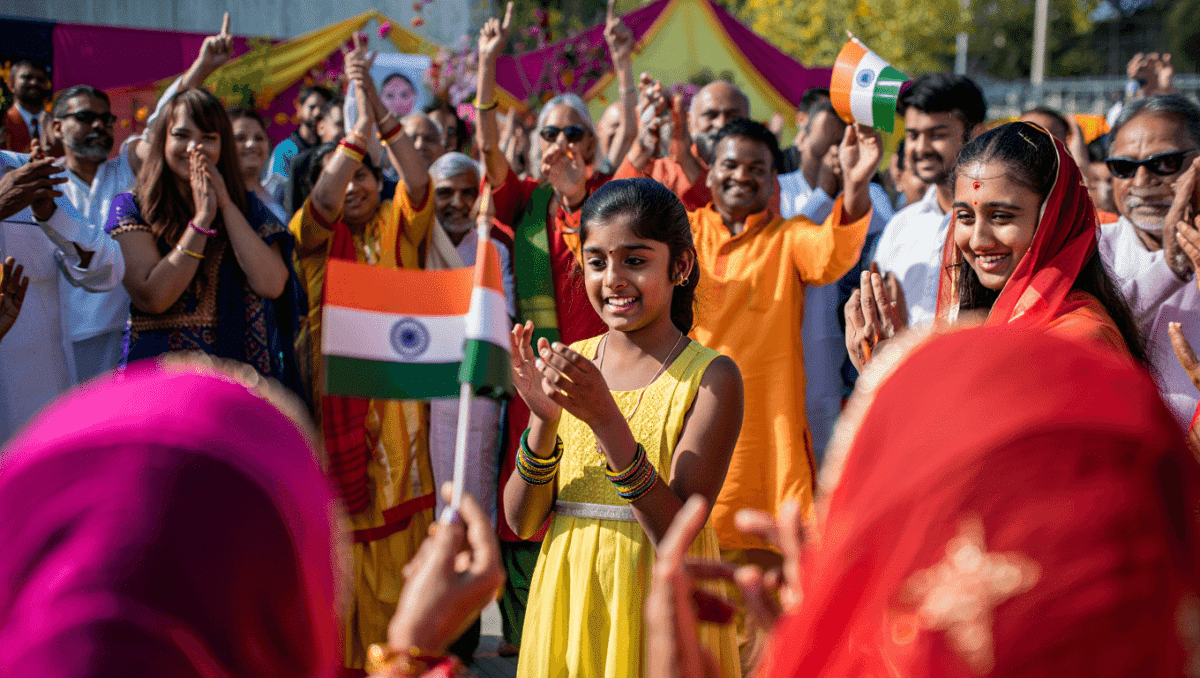
On June 30 in Sacramento, a broad coalition of Hindu community groups assembled for a day of music, ritual and conversation that underlined how the U.S. diaspora is rethinking religious identity as civic life. The event, organized by local chapters of the Hindu Swayamswvak Sangh, blended youth-led performances, interfaith service stories and a devotional address about the recently completed Ram Mandir—a mix that organizers say points to growing coordination across regional communities.
Many organizations, one stage
Representatives from more than fifty local and regional groups attended, bringing together congregations and cultural associations that often operate independently across the Greater Sacramento area. The program opened with a light-hearted quiz and then moved into devotional music and formal welcomes.
Kashi to Kedarnath costs revealed: how much a Sawan pilgrimage will set you back
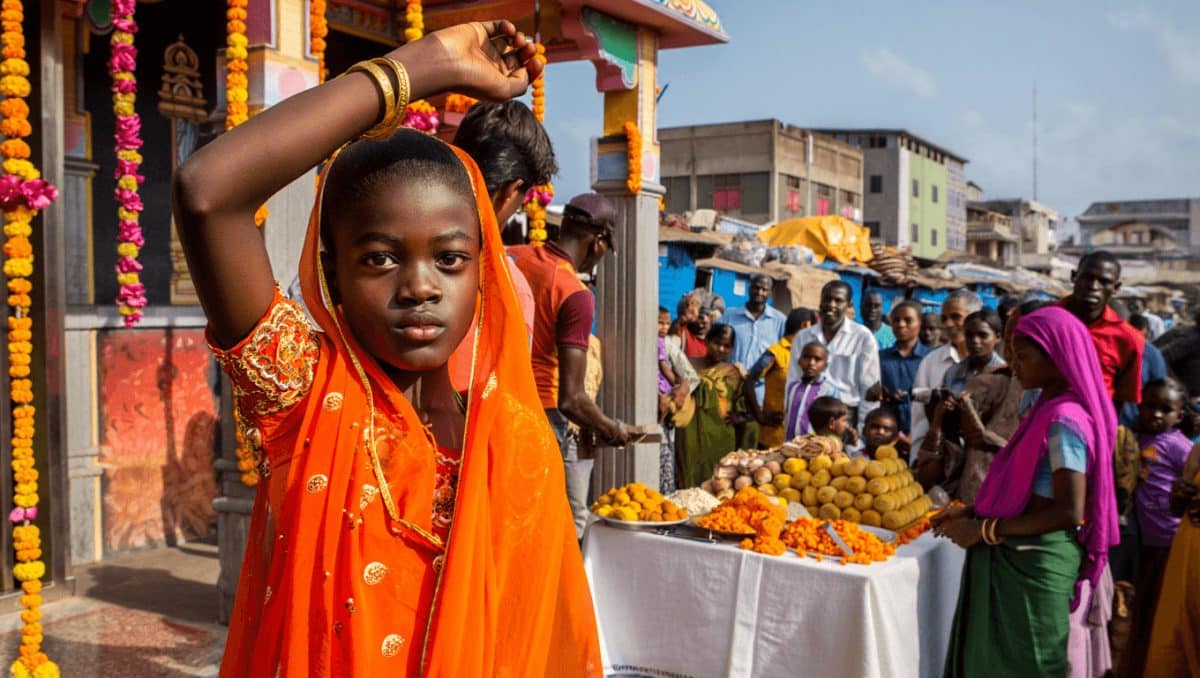
Hinduism gains ground in Africa: new communities reshape culture and commerce
Local temple priests from a Venkateshwara house of worship led the traditional mantras used to greet the visiting spiritual leader, Swami Govind Dev Giri Maharaj. Volunteers from the Folsom Hindu Temple and the Kanchi Mutt took prominent roles in hosting the swami, signaling broad participation by communities with South Indian roots.
Youth in front, devotion at the center
The tone of the afternoon was shaped largely by young volunteers. Teens and young adults organized stage decorations, coordinated performances and led bhajans, giving the program a generational thrust that several senior volunteers highlighted as critical for sustaining communal ties.
Speakers repeatedly returned to the theme that continuity depends on younger participants taking on ritual and organizational responsibilities—not just attending but running events and transmitting values in new settings.
The Ram Mandir story, retold
Swami Govind Dev Giri used his keynote to reflect on the construction of the Ram Mandir in Ayodhya, focusing less on politics than on the mobilization behind the project. He described large-scale crowdfunding that, he said, drew contributions from impoverished villages and urban donors alike—an anecdote intended to illustrate widespread emotional investment in the temple’s restoration.
His remarks emphasized the temple’s symbolic weight for many devotees: a recovered icon of devotion after centuries of upheaval, and a model for public expressions of faith.
Symbols, anecdotes and ethics
Stories about animals visiting the worksite—a monkey that kept returning to observe artisans carving a principal statue, and another that saluted the murti after the consecration—moved parts of the audience and underscored an evergreen motif in Hindu storytelling: the bond between the deity and the devotee, personified in the Ram–Hanuman relationship.
Swami Govind Dev Giri also invoked the Sanskrit ideal Vasudhaiva Kutumbakam—“the world is one family”—using it to frame humanitarian work performed by Hindu organizations during crises such as the conflict in Ukraine, when volunteers helped students and families irrespective of faith. The appeal was less doctrinal and more practical: serve broadly, forgive readily and treat others as kin.
What the gathering signals for the diaspora
Events like this combine religious ritual, cultural celebration and public-facing narratives in ways that matter beyond temple halls. For observers, three immediate effects stand out:
- Stronger networks: Cross-organizational participation suggests more coordinated community outreach and advocacy at the local level.
- Youth leadership: Visible engagement by young people could reshape how traditions are practiced and transmitted in American contexts.
- Public service framing: Highlighting humanitarian efforts frames religious identity around service as much as worship.
These dynamics are relevant to policymakers, civic leaders and community organizations tracking how immigrant religious groups organize, represent themselves and influence public life.
On ritual, identity and public life
By evening, the formal program gave way to social hours and snacks, with attendees noting the event’s double role as a spiritual gathering and a networking occasion. For many, the day reaffirmed personal faith and provided a chance to reconnect across generations and regional identities.
Speakers closed with reminders about inner transformation—moving from inertia to activity and cultivating a life informed by devotion or bhakti—and about practical compassion toward others as a civic ethic, not only a religious one.
Key facts
- Event: Sacramento Hindu Unity Day
- Organizers: Local chapters of Hindu Swayamswvak Sangh and allied community groups
- Highlights: Youth-led bhajans, traditional temple welcome, keynote on Ram Mandir fundraising and symbolism
- Attendance: Delegations from over 50 organizations across Greater Sacramento
The blend of ritual, storytelling and civic orientation at the Sacramento event offers a snapshot of how religious communities in the United States are adapting: keeping devotional life central while using collective platforms to reinforce ties, deliver service and shape a public presence that is both cultural and civic in nature.