Show summary Hide summary
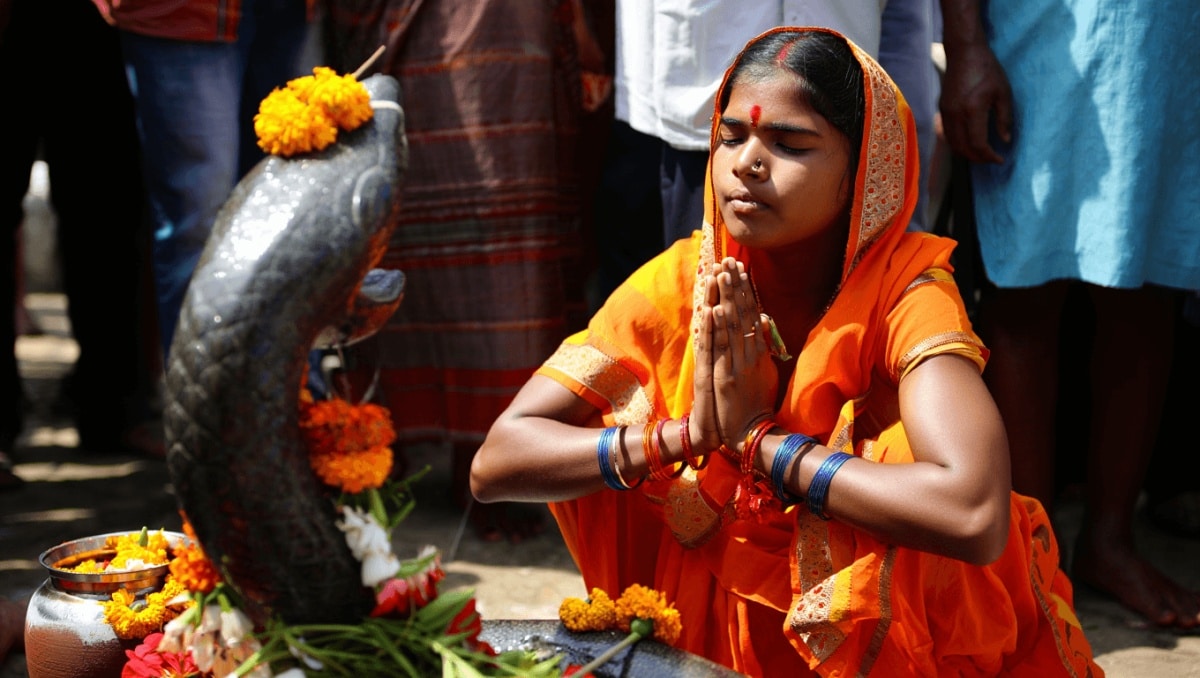
This summer’s lunar calendar brings renewed attention to Naga Panchami, the Hindu festival that honors snakes and their place in the natural and spiritual order. Observed across India and among diaspora communities, the day blends ancient myth, seasonal realities and conservation-minded practice—making it culturally and practically relevant for anyone living near snake habitats.
Why snakes are honored
Veneration of serpents stretches back across civilizations because snakes embody both danger and potency: they can kill, but they also symbolize regeneration, hidden wisdom and the life force many traditions call forth. In Hindu thought, snakes are often linked to transformative energy—most famously represented by the concept of kundalini, a coiled power imagined as rising through the body’s chakras toward spiritual awakening.
Kashi to Kedarnath costs revealed: how much a Sawan pilgrimage will set you back
Hinduism gains ground in Africa: new communities reshape culture and commerce
Stories that shape the festival
Several well-known narratives give Naga Panchami its moral and ritual contours. Together they portray snakes as agents of fate, balance and redemption rather than mere threats:
- Janamejaya and Parikshit: The king Parikshit’s death by snakebite sets the scene for his son Janamejaya’s planned mass sacrifice against serpents—until the sage Astika intervenes and halts the slaughter. The episode is commonly read as a warning against revenge that destroys an entire species and as a reminder that apparent misfortune can catalyze spiritual growth.
- Vasuki and the churning of the ocean: In the myth of the churning of the milk ocean, the serpent king Vasuki becomes the rope that unites opposing forces (devas and asuras) to produce a life-restoring nectar. The image stresses cooperation between contrasting powers and the role of the serpent as a stabilizing, sacrificial presence.
- Krishna and Kaliya: Young Krishna’s subduing of the venomous Kaliya—dancing on the serpent’s many hoods until it surrenders—symbolizes governance of destructive impulses through courage, compassion and restraint.
How the day is observed
Naga Panchami falls on the fifth day of the bright half of the lunar month of Shravana (typically July–August), a rainy season when snakes are more likely to be displaced into human settlements. Rituals therefore mix spiritual devotion with practical concern.
- Fasting and ritual bathing for purification.
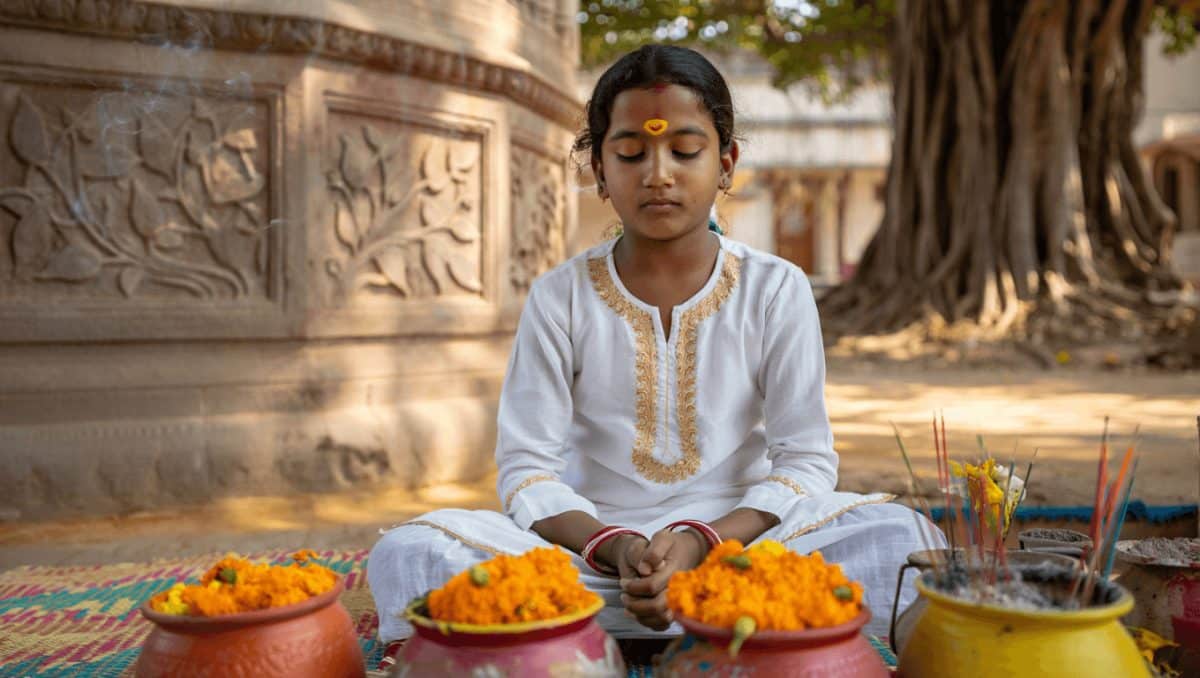
- Offerings at home and in temples—milk, flowers, sweets—placed before images or stones representing the naga.
- Community fairs, storytelling and traditional performances that transmit the myths across generations.
- A common local practice: avoiding digging or disturbing soil to reduce accidental harm to snakes.
What this means today
For modern readers the festival is more than folklore. It reminds communities to respond to seasonal wildlife encounters with respect and restraint rather than fear-driven extermination. In places where human-snake conflict is rising—because of urban expansion, monsoon flooding or agricultural activity—traditional practices that discourage harming snakes can reduce needless killing and protect biodiversity.
At the same time, the ritual language of Naga Panchami offers metaphors for mental health and ethical behavior: the serpent’s ambivalence—both dangerous and wise—encourages tempering powerful impulses with compassion and self-control.
Practical tips if you live in affected areas
- Be alert during the rainy season: secure sleeping spaces, footwear, and well-lit pathways.
- Contact local wildlife rescue or municipal services rather than attempting to kill or capture snakes yourself.
- When visiting cultural sites during Naga Panchami, observe local offerings and etiquette; many communities use the day to teach coexistence.
Naga Panchami is thus both a ritual and a seasonal response: a way to honor life, temper fear, and remind communities that ancient stories can still guide how we live with the natural world. Whether approached as faith, folklore or conservation practice, the festival asks a timely question—how do we balance safety and reverence in shared habitats?