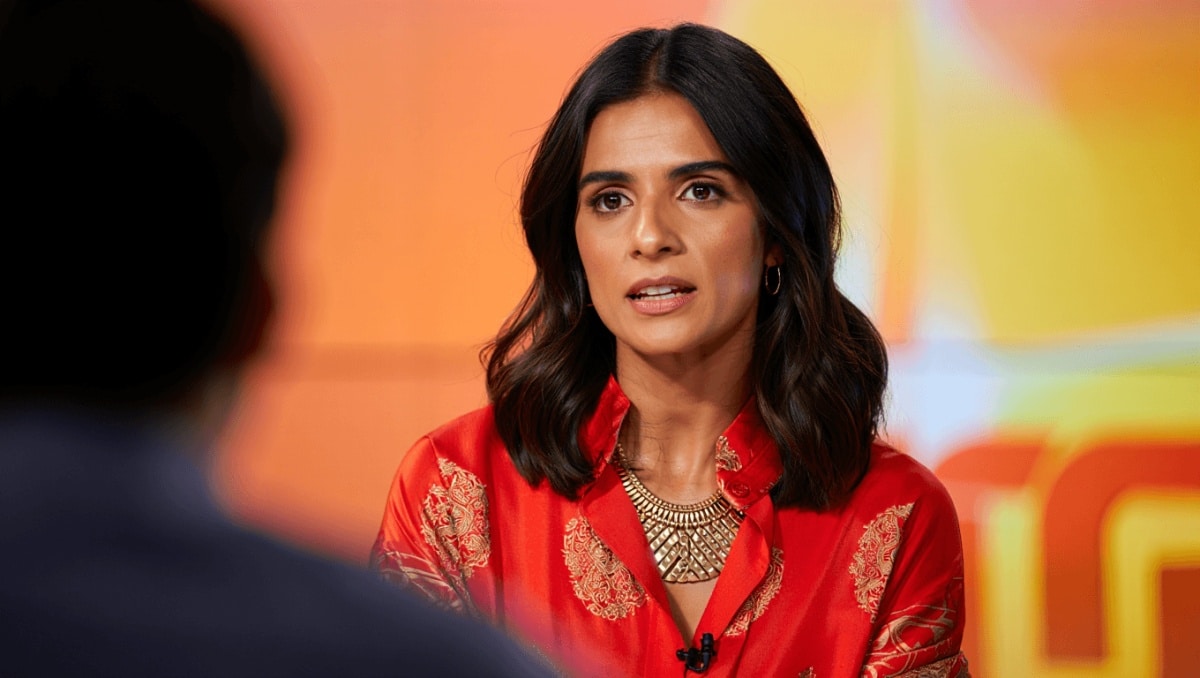
Actress Sara Khan has publicly rebuked a wave of online criticism aimed at her marriage after a December ceremony that blended Hindu and Muslim customs. Her blunt response to one particularly hostile remark underlines how personal choices by public figures can quickly become flashpoints on social media.
Khan married Krish Pathak in December in a ceremony that observers described as honoring both faith traditions. Almost immediately afterward, she faced comments questioning the legitimacy of an interfaith union and urging her to change her name.
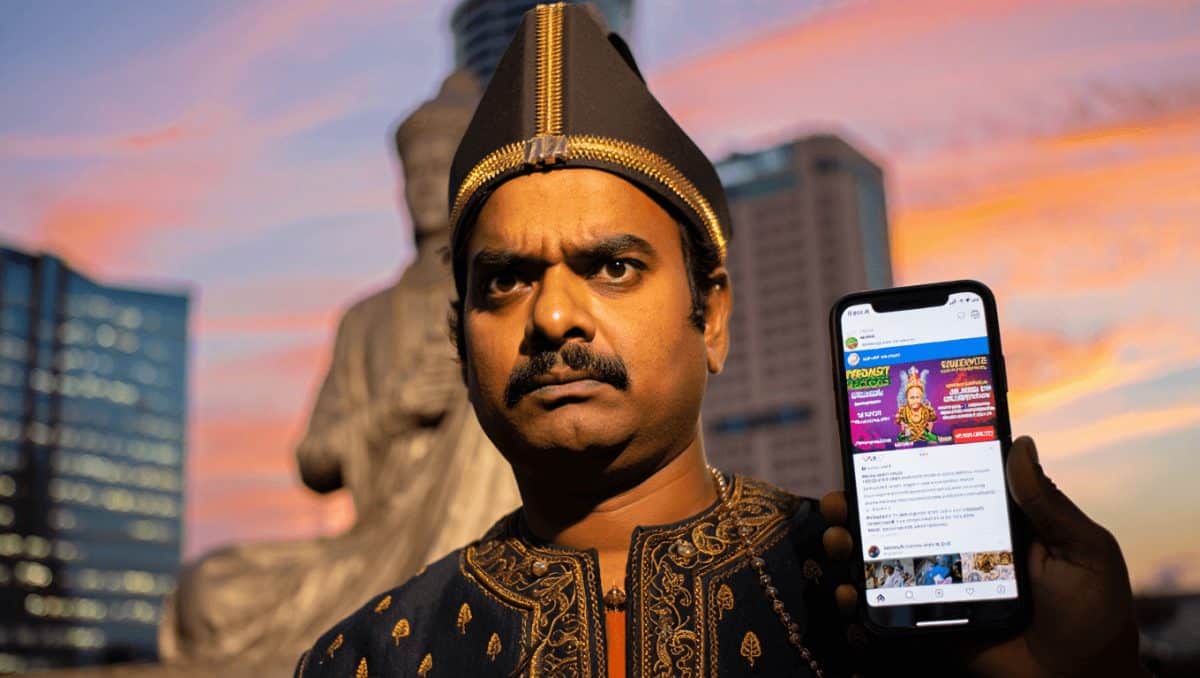
One user’s message crossed into aggressive territory and prompted Khan to answer sharply: “Go die out of disappointment,” she wrote, pushing back against the suggestion that she should alter her identity to placate critics.
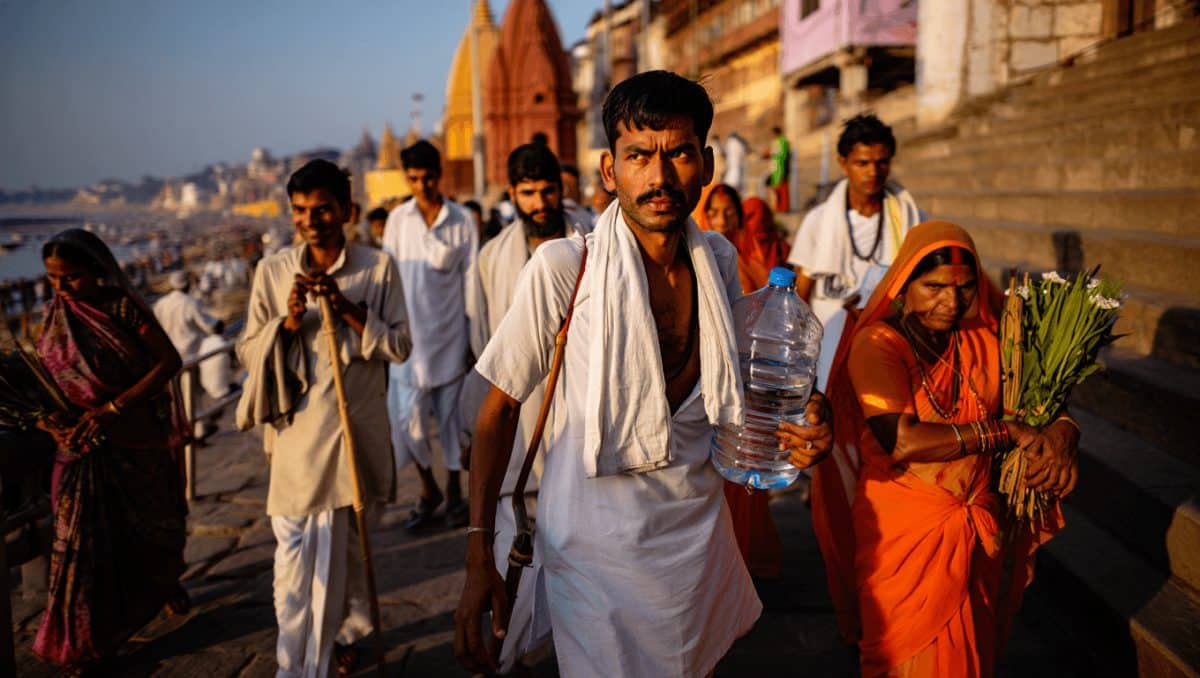
Kashi to Kedarnath costs revealed: how much a Sawan pilgrimage will set you back
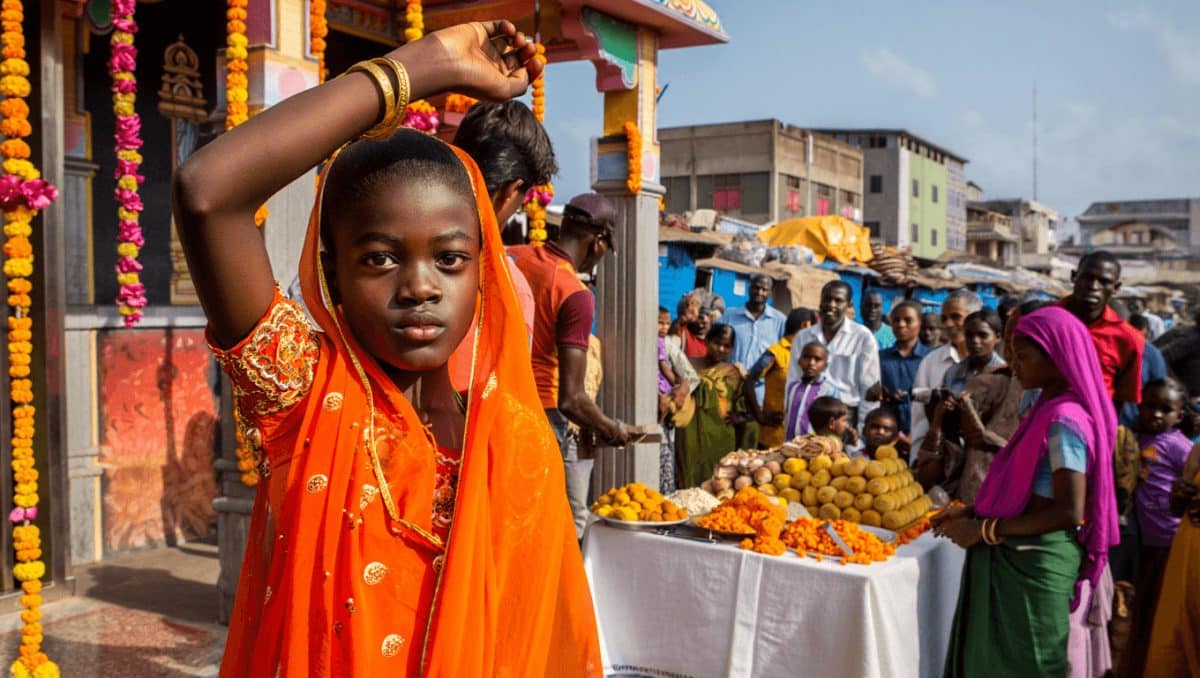
Hinduism gains ground in Africa: new communities reshape culture and commerce
The exchange highlights two broader currents at play: the persistent sensitivity around religious identity in personal relationships, and the speed at which social platforms amplify personal attacks. For celebrities, what begins as a private life decision can become a public debate within hours.
Experts and rights advocates say these episodes matter because they affect more than a single person — they shape the online climate for others contemplating similar choices, and they test the limits of platform moderation and civil discourse.
- Who: Sara Khan, actress, and Krish Pathak, her husband.
- When: Married in December; criticism surfaced in the weeks since.
- What: Backlash centered on the couple’s interfaith ceremony and Khan’s name.
- Khan’s response: A direct, public rebuttal to a hostile comment.
- Why it matters: Raises questions about online harassment, religious tolerance and public scrutiny of private choices.
For readers, the incident is a reminder that social media remains a contested space where cultural debates play out loudly. It also shows a pattern: some public figures now confront abuse head-on rather than ignore or deflect it, and those answers often become part of the story themselves.
There are no simple solutions. Platform policies, legal remedies and changing social norms all play roles, but so does the individual choice of people in the spotlight to respond or not.
Sara Khan’s exchange with critics is the latest example of how a personal life event—here, an interfaith marriage—can trigger heated online reactions and propel a private moment into a broader conversation about identity and respect.