Show summary Hide summary
The violence that flared in Bangladesh in 2024 is not an isolated eruption but the latest expression of fractures that have deep roots in the twentieth century. Tracing how administrative decisions, political organizing and cycles of retaliation reshaped identities helps explain why communal tensions remain a central challenge for the country and the region today.
How a colonial administrative fix hardened identities
At the start of the 1900s, British officials faced a problem: governing Bengal, a vast, economically critical province, was increasingly difficult. What was presented as a technical reorganization in 1905 masked a deliberate attempt to reshape political power. Lord Curzon’s map split Bengal into a Muslim-majority eastern section and a Hindu-majority western section—ostensibly to improve governance, but also to blunt the influence of the province’s urban, politically active elites.
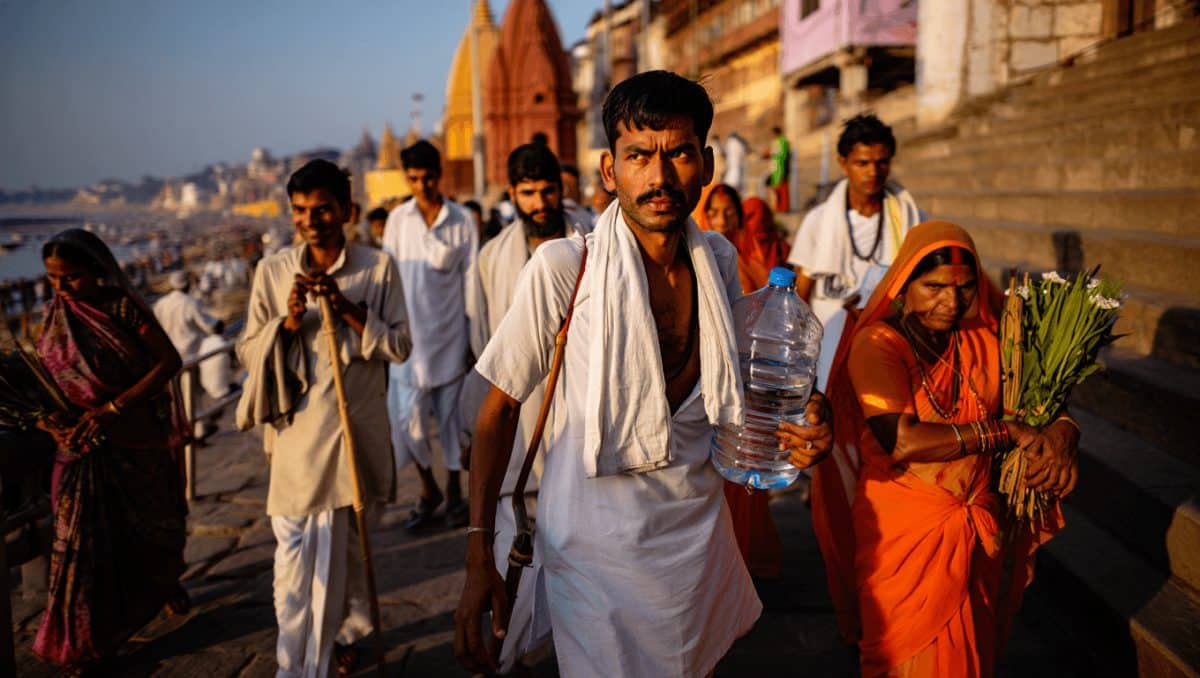
Kashi to Kedarnath costs revealed: how much a Sawan pilgrimage will set you back
Hinduism gains ground in Africa: new communities reshape culture and commerce
The reconfiguration did more than redraw boundaries. It encouraged political representation along communal lines, accelerating the formation of institutions and parties that defined interests by religion. The immediate outcome was mobilization on both sides: new Muslim political organizations coalesced around the eastern province, while Hindu nationalists launched boycotts and mass protests. Although the partition was formally revoked in 1911, the political and social realignments it provoked endured.
Escalation across decades: from 1911 to 1971 and beyond
What began as administrative tinkering steadily hardened into mutual distrust. Political competition increasingly mapped onto religious identities, setting the stage for the seismic break of 1947, when the subcontinent’s division created separate states and displaced millions.
Two decades later, central state violence during the 1971 conflict—known in Bangladesh as the Liberation War and associated with campaigns such as Operation Searchlight—left deep scars. The brutal repression, mass killings and forced displacements of that period fed cycles of grievance that would resurface in later communal clashes and political confrontations.
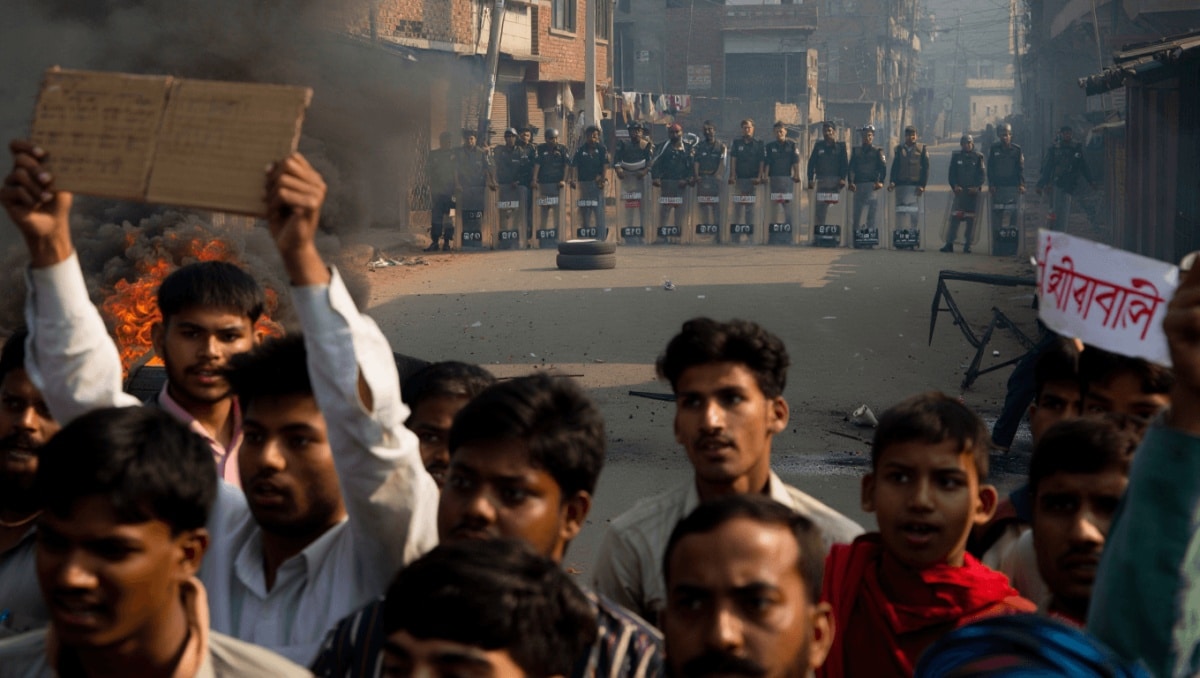
More recent episodes—riots in the 1990s and attacks on religious minorities in 2024 following the removal of former prime minister Sheikh Hasina—show how historical fault lines continue to be activated by political crises and local disputes. Patterns of violence, targeted property destruction and communal intimidation are often rooted in older narratives of victimhood and power imbalance.
Why this history matters now
Understanding the long arc from colonial policy to contemporary unrest matters because it reframes responsibility and response. These are not merely spontaneously generated ethnic conflicts; they are partly the product of institutional decisions and political incentives that privilege identity politics over inclusive governance.
For policymakers, journalists and civil society actors, that means responses focused solely on policing or emergency relief will fall short unless they also address the structural causes: electoral systems that reward communal mobilization, economic inequality that maps onto religious lines, and public narratives that legitimize exclusion.
- 1905 – Partition of Bengal: Administrative division that institutionalized separate political representation and altered communal alignments.
- 1911 – Annulment: Reversal of the partition did not erase the institutional and social changes already set in motion.
- 1947 – Subcontinent partition: Nationwide division that created new states and mass displacement, reshaping demographics and politics.
- 1971 – Liberation War and repressive campaigns: Widespread atrocities that deepened intercommunal distrust and trauma.
- Recent years: recurring communal violence and targeted attacks on minorities, often triggered or magnified by political upheaval.
Looking forward, the stakes are clear. Continued cycles of retaliation undermine rule of law, weaken minority protections and strain relations with neighbors. They also complicate economic development: investment and social cohesion suffer when communal insecurity is chronic.
A historical lens does not excuse contemporary violence, but it does point to remedies beyond short-term security measures—reforming incentives that tie political survival to communal mobilization, strengthening institutions that protect minority rights, and investing in shared civic spaces where identities are less likely to be weaponized.
If Bangladesh’s recent turmoil is to be addressed sustainably, policymakers and civic leaders must confront not only immediate incidents but the long legacy of policies and practices—some dating back to the colonial era—that continue to shape how communities see one another.