Show summary Hide summary
Zayn Malik has spoken openly about a strong emotional pull toward Indian culture, calling the country his “motherland” despite never having visited. The former One Direction singer’s remarks, published April 14, 2026, highlight how South Asian cinema and music continue to resonate with global artists and audiences.
Why this matters now
As streaming platforms widen the reach of regional films and soundtracks, celebrities’ public endorsements can accelerate cross-border cultural interest and collaboration. Malik’s comments arrive at a moment when Bollywood’s footprint in global pop culture is expanding, making his preferences more than just personal taste—they signal audience overlap and potential creative partnerships.
Kashi to Kedarnath costs revealed: how much a Sawan pilgrimage will set you back
Hinduism gains ground in Africa: new communities reshape culture and commerce
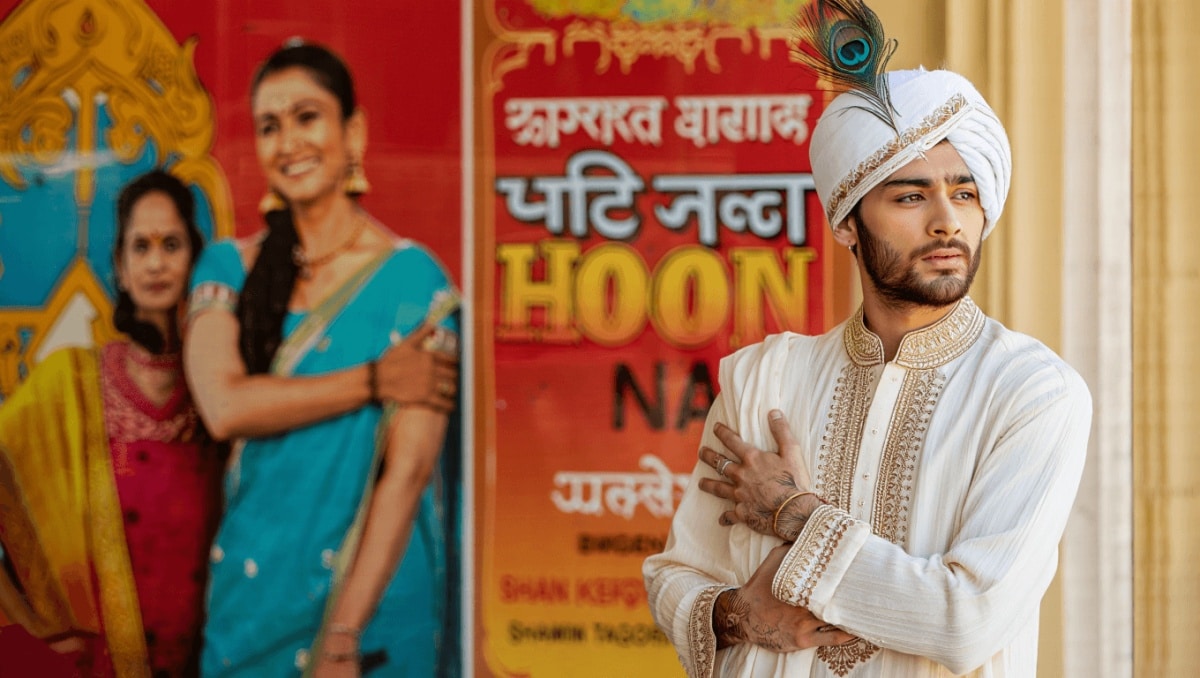
Malik singled out Bollywood for its emotional depth and musical complexity. He named Main Hoon Na, the 2004 Shah Rukh Khan drama, as a favorite film and praised Indian music for its “soulfulness” and layered arrangements. That combination of narrative and song, he said, is what draws him to the art form.
What he said and what it suggests
His remarks — part admiration, part personal connection — underscore three trends shaping entertainment today: the influence of South Asian media on global tastes, the role of diaspora identities in artistic expression, and the increasing appetite among Western pop figures for non-Western sounds.
- Zayn Malik: Expressed deep affinity for Indian culture while noting he has not yet traveled to India.
- Film pick: Selected Main Hoon Na (2004) as his favorite Bollywood movie, spotlighting Shah Rukh Khan’s broad appeal.
- Music: Praised Indian music for its emotional intensity and intricate compositions.
- Timing: Comments published April 14, 2026, reflect ongoing global convergence in music and film consumption.
For fans and industry watchers, the exchange is concrete: prominent Western artists naming South Asian works can raise streaming numbers, inspire cross-genre collaborations, and encourage music supervisors and labels to invest more in international pairings. It also feeds a wider conversation about identity—how artists with South Asian roots, like Malik, navigate and publicly acknowledge cultural connections.
Whether this will translate into joint projects or tours remains to be seen, but the moment captures a clear cultural shift: regional cinema and music are no longer peripheral curiosities for global stars; they are central influences shaping contemporary pop culture.