Show summary Hide summary
Visiting a Hindu temple can be a striking sensory experience—and with more travelers and interfaith visitors attending services in 2026, understanding basic customs matters more than ever. Knowing what to do (and what not to do) helps you show respect, avoid misunderstandings, and get more from the visit whether you are there to observe, pray, or learn.
Quick etiquette checklist
- Remove your shoes before entering the main shrine area; look for racks or ask an attendant.
- Dress modestly—cover shoulders and avoid shorts; some temples may have stricter local customs.
- Observe silence or speak softly inside the sanctum; use your phone only where clearly permitted.
- If a bell is at the entrance, a gentle ring is a customary way to mark your arrival.
- Bringing a small offering such as a flower or fruit is appreciated but not required; these offerings may later be shared as prasadam.
Kashi to Kedarnath costs revealed: how much a Sawan pilgrimage will set you back
Hinduism gains ground in Africa: new communities reshape culture and commerce
Entering the temple: practical and symbolic steps
Most temples treat their inner sanctum as the home of the deity. For that reason, visitors are expected to remove footwear and behave as guests—courteous, humble, and attentive to posted signs or instructions from staff. If no instructions are visible, a polite question will usually resolve any uncertainty.
Ringing a bell or making a brief bow at the threshold is a common practice at many sites. These actions are meant to shift attention from the outside world to the sacred space inside, similar to knocking before entering someone’s home.
How deities are presented and worshiped
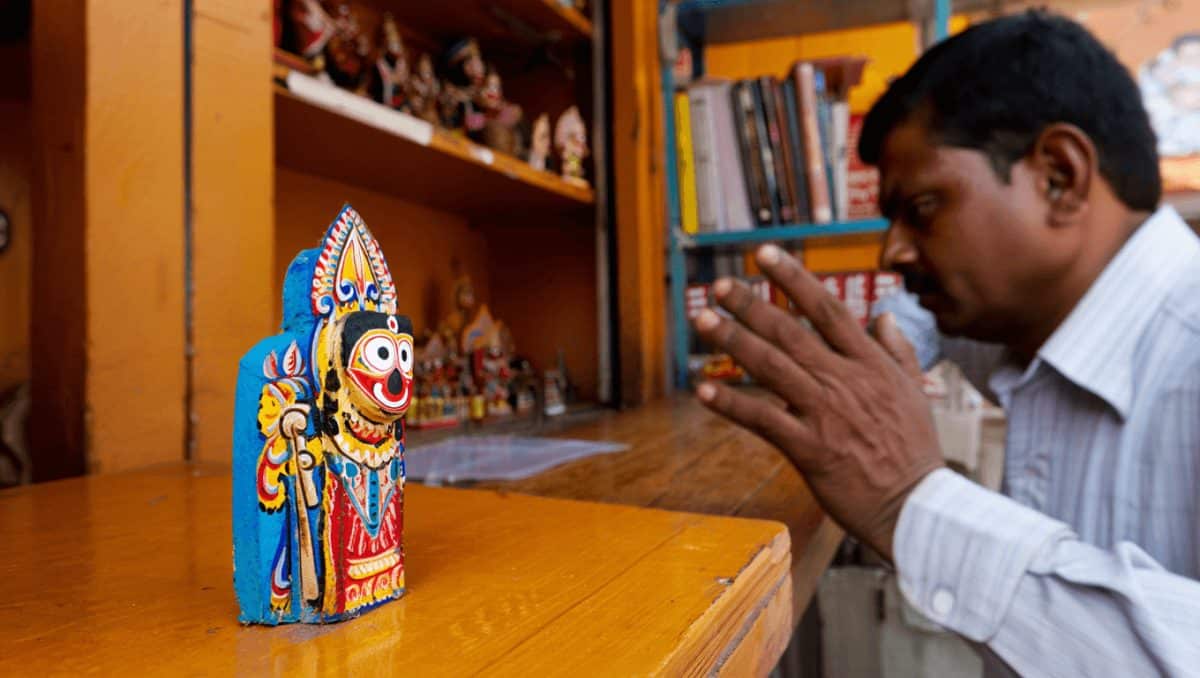
Inside the shrine you will often see images or statues placed on an altar. These are referred to as murti and are central to temple ritual life because they give worshippers a visible focus for devotion. Murtis are crafted according to longstanding artistic and ritual guidelines and are treated with care as living presences in the devotional context.
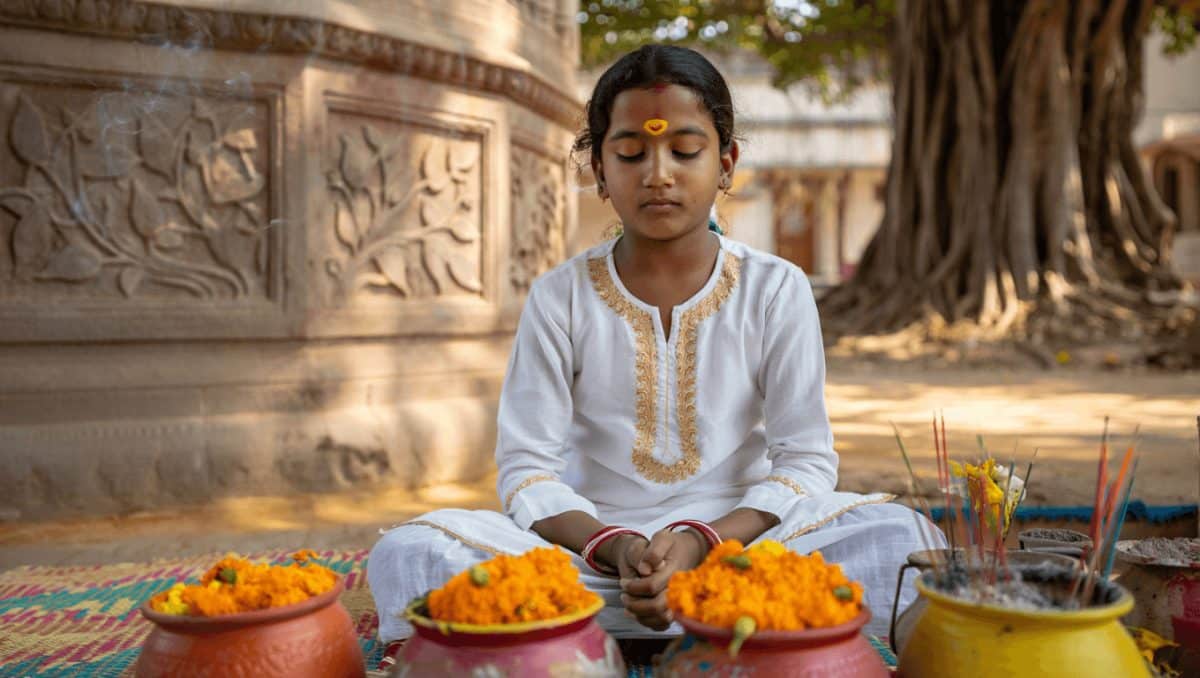
Ritual offerings—collectively called puja—can include flowers, water, incense, and light. A priest typically performs these rites, and after the ceremony items may be distributed to attendees as prasadam, a blessed portion meant to be shared. The sensory richness of puja—sight, smell, touch, taste, and sound—is intentional: it is designed to engage worshippers fully.
Chanting, mantras and communal sound
Sound has a special place in many Hindu traditions. Short, repeated phrases or invocations—known as mantras—are used to steady the mind and support meditation. The term itself is often described as a tool for the mind’s transformation, and chanting is usually practiced with beads or in group settings.
When chanting becomes musical, it is often called kirtan: a call-and-response style of singing led by one or more people while the gathered group joins in. Kirtan can create a strong sense of community and can be the most emotionally immediate form of temple worship for many visitors.
Home shrines and private practice
Temples are not the only setting for ritual life. Many people set aside a small space at home as an altar for daily prayer and meditation. A home shrine provides a convenient place for personal practice—what is often called sadhana—and can help sustain a disciplined routine of spiritual work.
Having a devoted space at home also encourages everyday behaviors—cleanliness, calm, and intentional living—that complement formal worship. Still, public temple attendance often plays a separate role by offering communal energy and structured rituals that can be hard to replicate alone.
Guidance, community and learning
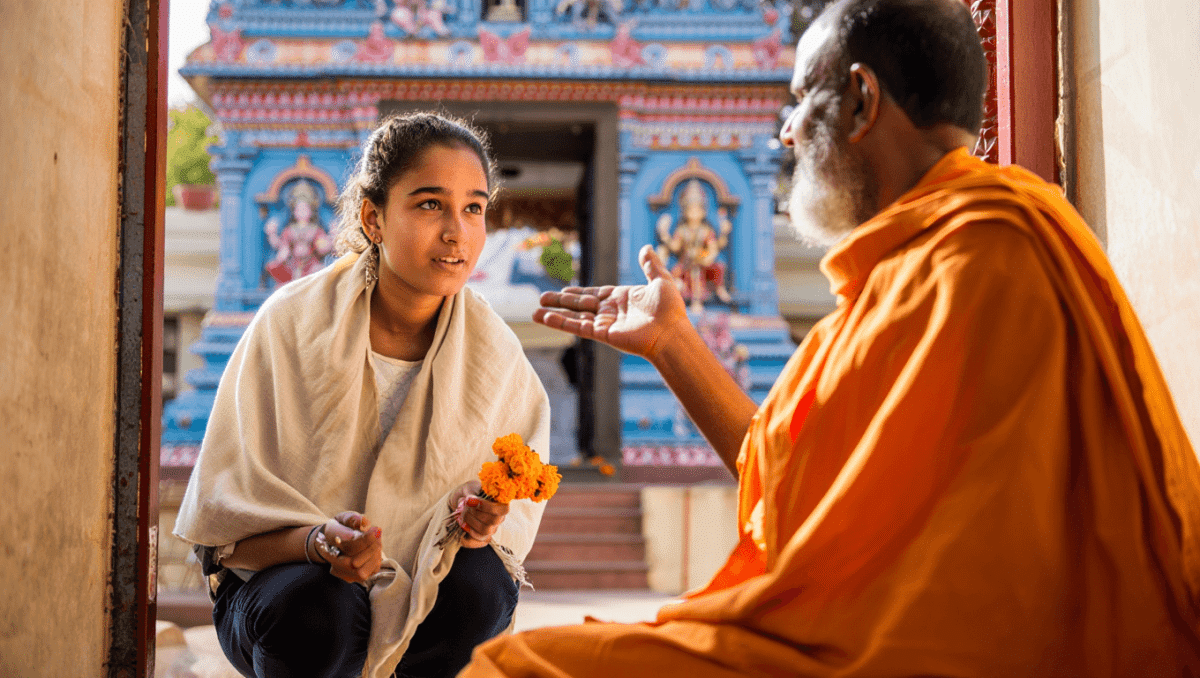
Temples frequently serve as places of instruction as well as worship. Talks, study sessions and public lectures by experienced teachers or priests can offer practical guidance for someone pursuing spiritual growth. The value of being around committed practitioners—referred to in many traditions as satsang—lies in mutual encouragement and shared practice.
If you hear a lecture or are invited to a satsang, sitting quietly and listening for even a short time can be a respectful way to engage; you may come away with a clearer sense of practice or context for what you observed.
Variations and cultural sensitivity
Temples vary widely by region, denomination, and local custom. Some insist on simple, traditional dress; others welcome a broader range of attire. Rituals and schedules differ, and language use can range from regional tongues to Sanskrit.
As a rule of thumb, follow visible signs, watch what regular worshippers do, and ask politely when unsure. Showing curiosity with humility and a willingness to follow local protocols is the best way to avoid offense and to make the most of a visit.
Why it matters now: With more cross-cultural encounters at places of worship—through travel, local multicultural communities, and interfaith events—knowing these practices reduces friction and deepens mutual respect. Whether you’re a first-time visitor or someone returning after many years, small acts of awareness make a substantial difference to hosts and fellow worshippers alike.