Show summary Hide summary
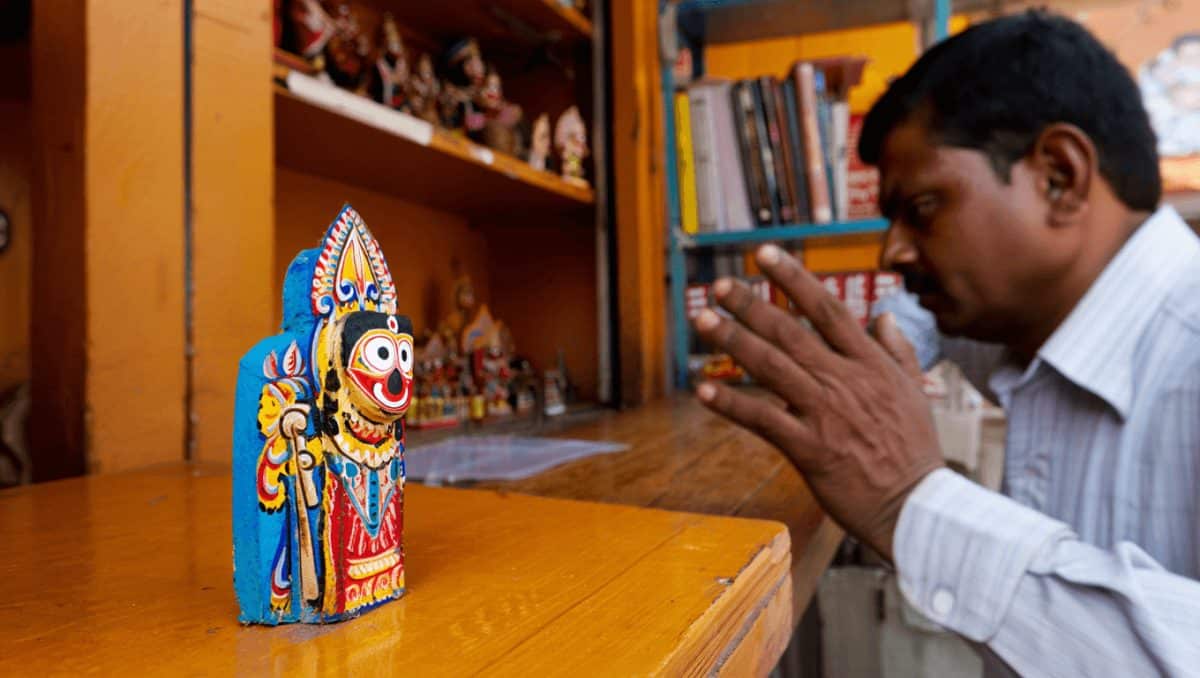
The small, carefully transported image of Ram Lalla landed in the United States this week, prompting public ceremonies and private pujas in several cities and renewed attention to how diaspora communities mark religious milestones abroad. Beyond ritual reverence, the arrival is shaping conversations about identity, community organizing and cultural diplomacy at a moment of active engagement between Indian and U.S. institutions.
Public ritual, private meaning
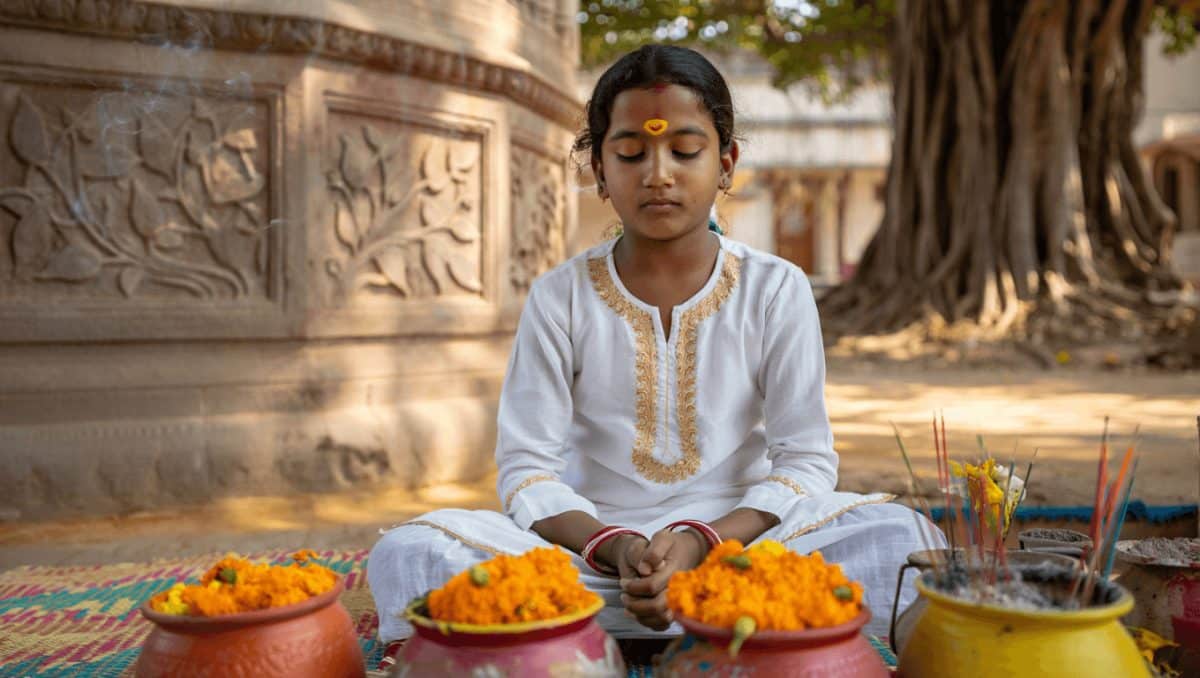
Local temples and community centers opened their doors to devotees who traveled from across states to see the image and participate in consecration rites. For many attendees, the events combined personal devotion with a sense of communal reaffirmation: occasions to gather, to perform traditional practices, and to introduce younger generations to rites tied to an ancestral homeland.
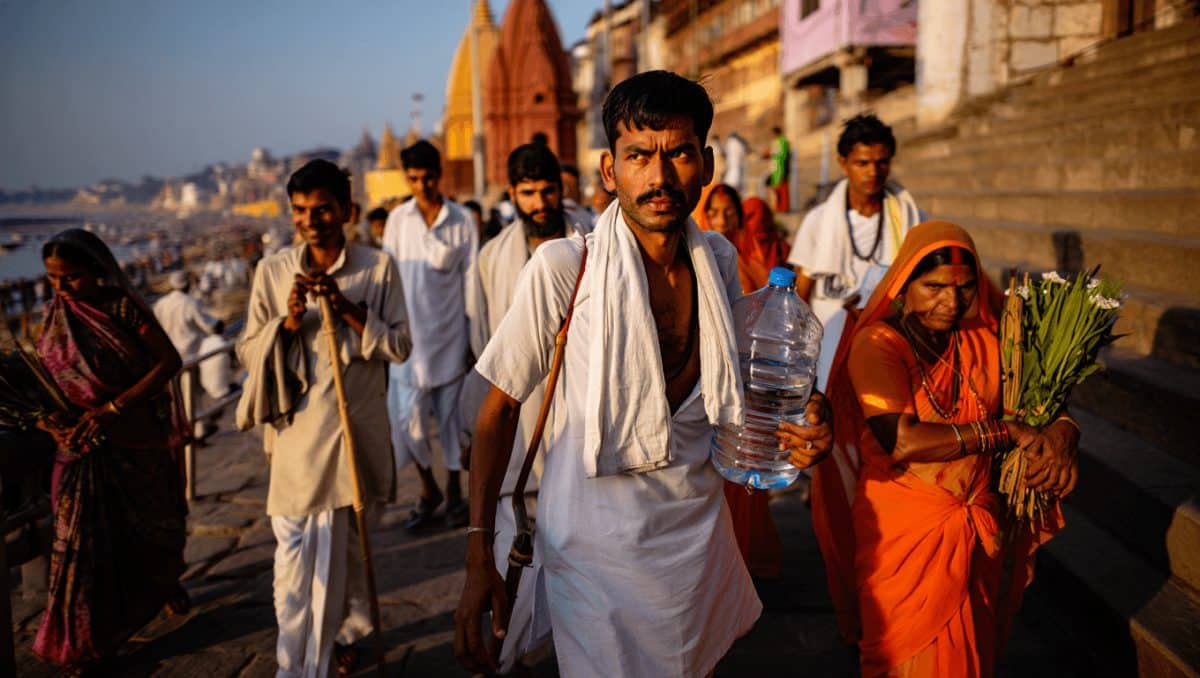
Kashi to Kedarnath costs revealed: how much a Sawan pilgrimage will set you back
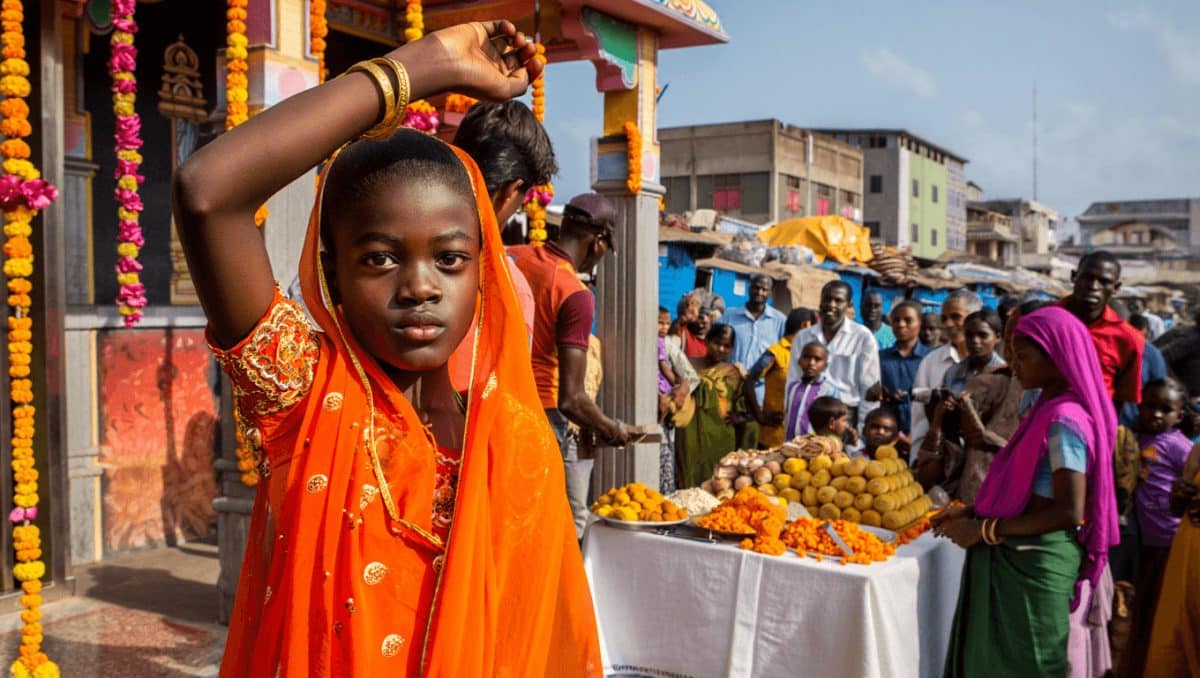
Hinduism gains ground in Africa: new communities reshape culture and commerce
Organizers described long lines at prayer halls and extended evening programs of bhajans and storytelling. Cultural groups used the visits to stage complementary events—classical music concerts, speaker panels on history and faith, and exhibitions explaining the provenance of the image—turning a single religious object into a focal point for broader cultural engagement.
Why this matters now
On a practical level, the visit matters because it channels attention—and resources—into religious institutions that serve large immigrant communities. Those organizations often play multiple roles: places of worship, social-service hubs, and spaces for political mobilization.
At the civic level, ceremonies around prominent religious icons abroad can affect public debate about pluralism, religious freedom and the integration of faith into public life. Observers say these events are watched not only by devotees but also by municipal officials, academics and journalists tracking how faith communities evolve outside their countries of origin.
- Community cohesion: Rituals and gatherings reinforce networks among immigrants and their descendants.
- Cultural education: Performances and talks accompanying the visits aim to transmit heritage to younger generations.
- Institutional visibility: High-profile visits attract donations and volunteers, strengthening local religious institutions.
- Public diplomacy: Official receptions or attendance by public figures can spotlight bilateral cultural ties.
Not every reaction has been uniform. While many welcomed the chance to celebrate, some observers cautioned about the potential for such visits to become politicized—particularly when amplified through media coverage or linked to events back in India.
Organizing across a continent
Coordinating the itinerary involved multiple organizations: temple boards, cultural nonprofits, logistics specialists and local officials. Transporting a revered religious image requires sensitivity to both religious protocols and immigration and customs procedures, and the teams involved worked to ensure that both sets of requirements were respected.
That complexity helps explain why these visits tend to be staged in phases—initial arrival with smaller private rituals, followed by larger public events, and then community outreach programs. Some temples timed visits to coincide with festivals or anniversaries to maximize participation.
Beyond the ceremonial calendar, the arrival has practical downstream effects: increased foot traffic at temples, a spike in donations earmarked for facility upgrades, and a renewed pipeline of volunteers for youth and social programs.
Voices from the ground
Devotees described the experience in personal terms—yearning, continuity, gratitude—while cultural organizers emphasized education and intergenerational continuity. Local media covered the ceremonies as civic events as much as religious ones, noting both the numbers in attendance and the broader programming that accompanied each visit.
At the same time, some analysts urged caution. They recommended that institutions planning similar initiatives prepare clear messaging to emphasize inclusivity and to pre-empt misunderstandings in diverse urban contexts.
For the Indian diaspora, the visit is part devotion, part cultural reaffirmation and part organizational momentum. For local communities and civic actors, it is an occasion to reassess how faith-based cultural exchanges are negotiated in a plural public sphere.
Coverage of the events will continue as local programs conclude and organizers assess impact. Expect follow-up reporting on community responses, attendance figures and any civic engagements that arose in connection with the visit.