Show summary Hide summary
The Centre told a nine-judge Supreme Court bench on Wednesday that the constitutional guarantee under Article 25(1) — which protects freedom of conscience and the right to practise religion — does not itself impose a rule of gender equality within religious worship. The government urged the court to limit its role in reshaping faith-based customs, arguing that change should emerge from elected legislatures, not judicial fiat.
The submission came from Solicitor General Tushar Mehta before the Constitution bench led by Chief Justice Surya Kant and eight other judges. Mehta maintained that provisions barring sex-based discrimination are already contained in Articles 15 and 16, and that Article 25(1) is aimed at preventing discrimination on grounds of belief and worship rather than mandating identical treatment for men and women in every religious practice.
Why this matter is sensitive now
At stake is more than a legal technicality: the bench is being asked to decide how far constitutional scrutiny can intrude into the internal rules and rituals of religious groups. If courts take an expansive view, long-standing practices across temples, mosques, churches and other institutions could face repeated constitutional challenges. The government pointed to the controversy around Sabarimala as an example of the ripple effects that judicial intervention can produce.
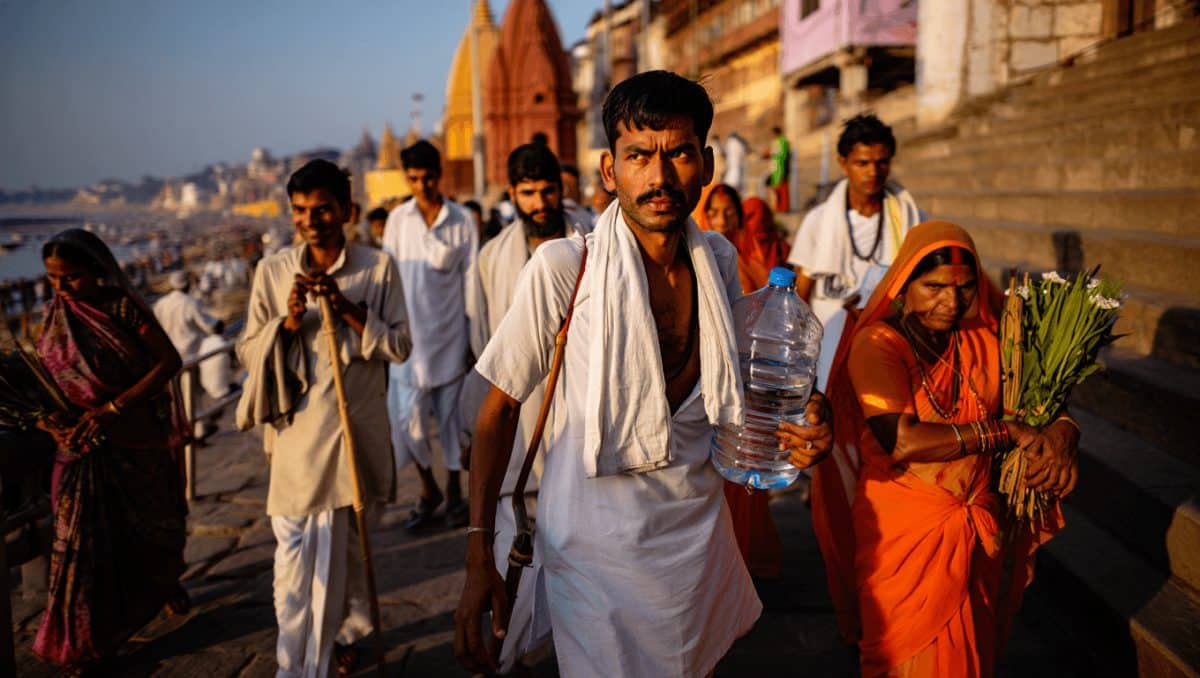
Kashi to Kedarnath costs revealed: how much a Sawan pilgrimage will set you back
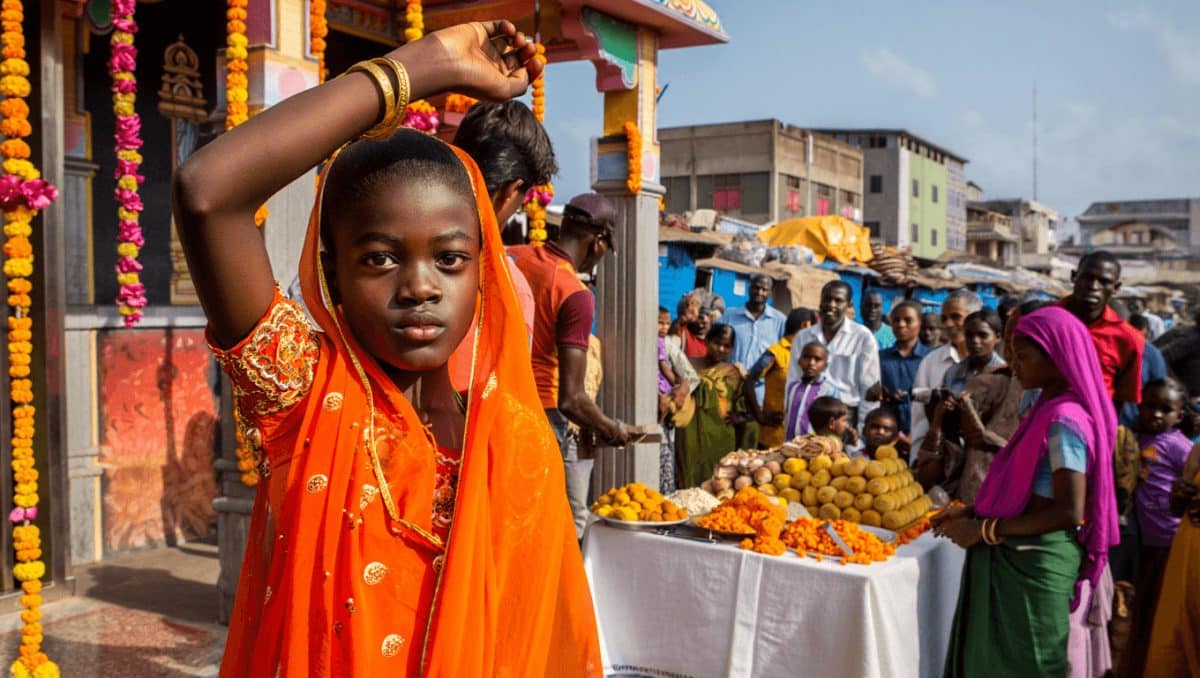
Hinduism gains ground in Africa: new communities reshape culture and commerce
Mehta told the court that allowing judges to rewrite religious practices whenever they deem a custom unconstitutional would, in practice, remove any meaningful boundary on judicial review. That, he argued, would effectively position the courts as permanent arbiters of religious reform for India’s 1.4 billion citizens — a role the executive says the Constitution does not intend for constitutional courts to play.
Arguments from senior counsel
Several senior advocates — including Gopal Subramanium, C.S. Vaidyanathan, Rakesh Dwivedi and Rajeev Dhavan — backed the Solicitor General’s stance. Their submissions clustered around a common theme: the rights of individuals to practise religion and the rights of religious groups to manage their own affairs operate in different domains and should be read harmoniously rather than collapsed into one another.
Counsel for the Nair Service Society argued that the right of a denomination to govern its rituals and institutions is distinct from the private religious liberties of individual members. That corporate or communal right, they said, safeguards a community’s authority over doctrine, ritual, property and governance — attributes that cannot be reduced to a mere sum of individual entitlements.
Rajeev Dhavan, appearing in person, stressed that denominations depend on institutions and property — temples, mosques, churches — to survive and propagate. He maintained that without autonomy over those structures, the collective identity and continuity of a faith community would be threatened.
What happened in court
The hearing — spread over five weeks and totalling 16 days — concluded with the bench reserving its judgment. The outcome will determine whether courts have broader license to intervene in religious practices on equality grounds, or whether such interventions must await legislative action.
- Immediate legal consequence: A ruling for the government could narrow judicial power to strike down religious practices on equality claims.
- Political consequence: Parliament or state assemblies may be expected to address contested religious customs through legislation if courts step back.
- Social consequence: Communities could retain greater autonomy to set gender-specific rituals, reducing litigation but raising concerns about individual rights.
- Precedent risk: A broad judicial approach would keep institutional arrangements constantly vulnerable to constitutional challenge, as flagged by references to Sabarimala.
Whatever the bench decides, the judgment will shape the balance between communal autonomy and individual rights in the realm of religion — and it will signal whether change in contested practices is more likely to be judicially imposed or politically negotiated. Observers on all sides are watching closely: the decision will influence future disputes over access, leadership, property and the scope of religious freedom across India.