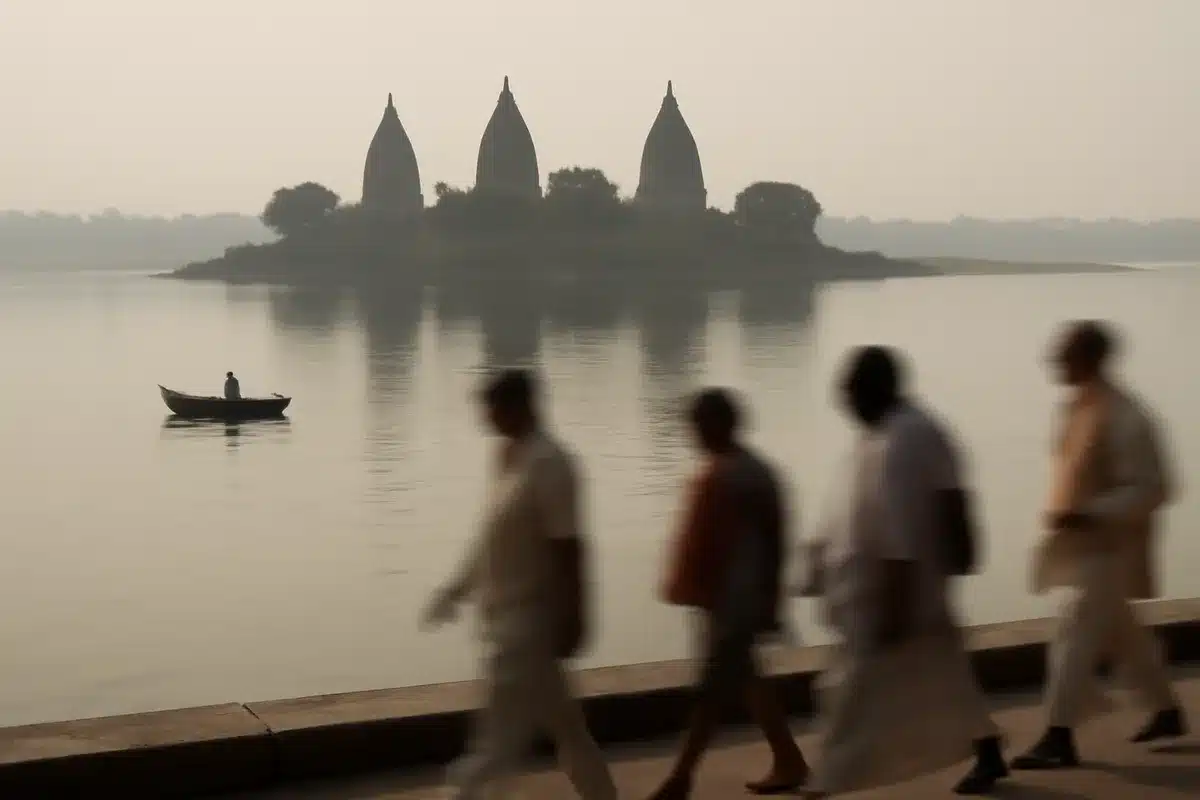
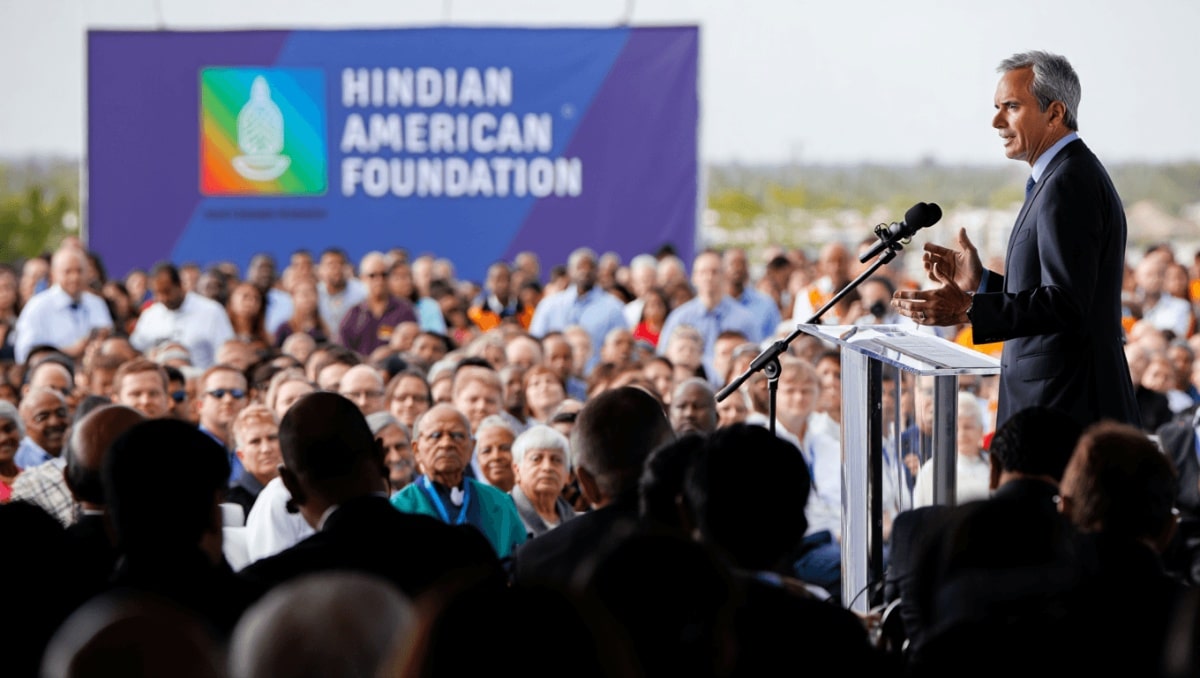
A large interfaith gathering held in mid‑March near Hyderabad drew tens of thousands to a three‑day forum that linked spiritual practice, environmental restoration and public diplomacy. The scale and mix of attendees — from grassroots devotees to senior public officials — underline why religious movements are increasingly visible on the global stage and why their projects matter beyond ritual life.
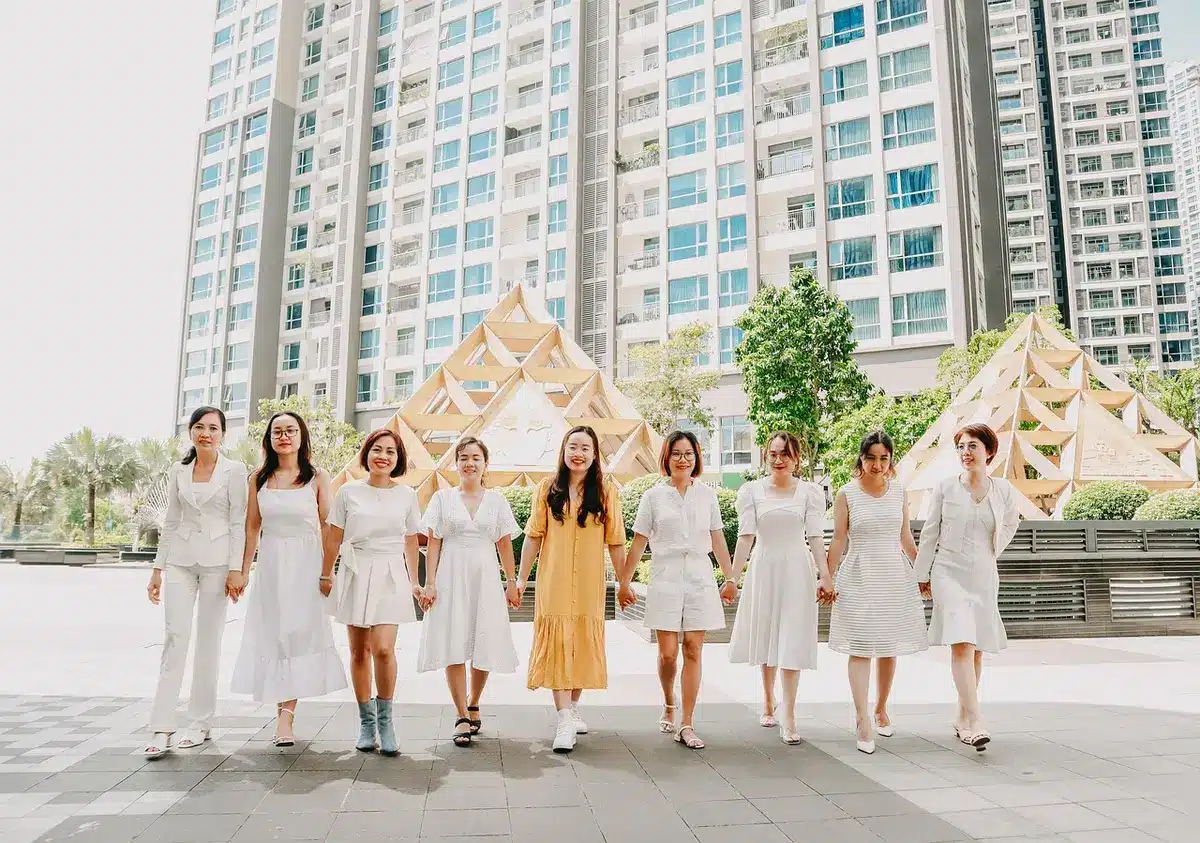
The event, billed as a global celebration of peace, was organized by India’s Ministry of Culture together with the Heartfulness movement and attracted an estimated 50,000 participants. Delegates included faith leaders representing multiple traditions, environmental practitioners and civic figures who used plenary sessions and workshops to promote cooperation across religious boundaries.
Fred Stella, a member of the Hindu American Foundation’s leadership circle, spoke at a main session and led two breakout discussions on spirituality and ecology. His appearance immediately preceded remarks from India’s vice president, Jagdeep Dhankhar, underscoring the event’s blend of spiritual and official presence.
CAA urgency spikes after South Asia unrest: what citizens need to know
Glass shard in school snack sparks probe: book from another faith fuels parent outrage
The gathering took place at Kanha Shanti Vanam, an intentional community developed by Heartfulness supporters outside Hyderabad. Under the guidance of the movement’s current spiritual head, Daaji, organizers point to large‑scale tree planting and land rehabilitation that have reshaped the site into a verdant campus from previously arid ground.
Snapshot of the gathering
| Item | Detail |
|---|---|
| When | Mid‑March, three‑day event |
| Organizers | India’s Ministry of Culture and the Heartfulness movement |
| Location | Kanha Shanti Vanam, near Hyderabad |
| Estimated attendance | Around 50,000 |
| Themes | Inner peace to global peace; pluralism; ecology |
| Notable participants | Religious leaders across faiths, civic officials, speakers including Fred Stella |
Beyond the numbers, the meeting signals several concrete dynamics worth watching.
- Interfaith engagement: Leaders used the platform to advance pluralism, seeking models for cooperative religious practice rather than competition.
- Soft power and state ties: The partnership with a government ministry highlights how spiritual movements can intersect with national cultural policy and diplomacy.
- Environmental practice: The reforestation at Kanha Shanti Vanam was presented as a practical demonstration of faith‑driven conservation.
- Diaspora visibility: North American Hindu figures participating on major stages reflect a maturing public profile for U.S. Hindu communities.
Not every participant framed the gathering the same way: some attendees emphasized contemplative practice, others stressed civic collaboration. Still, the mix of religious rituals, ecological initiatives and official endorsement shows how spiritual movements are increasingly part of broader conversations about social cohesion and sustainability.
For observers tracking religion and public life, the event is a reminder that spiritual networks can act as hubs for cross‑sector projects — from tree planting and community planning to international cultural outreach. How these initiatives influence policy or public opinion remains to be seen, but their visibility has clearly grown.
Expect more of these hybrid meetings in the months ahead as faith groups expand outreach and governments continue to engage religious partners on cultural programming and environmental goals.