Show summary Hide summary
When the foundation stone was placed at Ayodhya in August 2020—and after the temple’s national spotlight intensified with its 2024 inauguration—the debate moved quickly from public squares to private message threads. What began as celebratory posts on social media has, for many, become a test of whether online platforms can host honest, mutual listening or only harden existing divisions.
A heated Facebook exchange
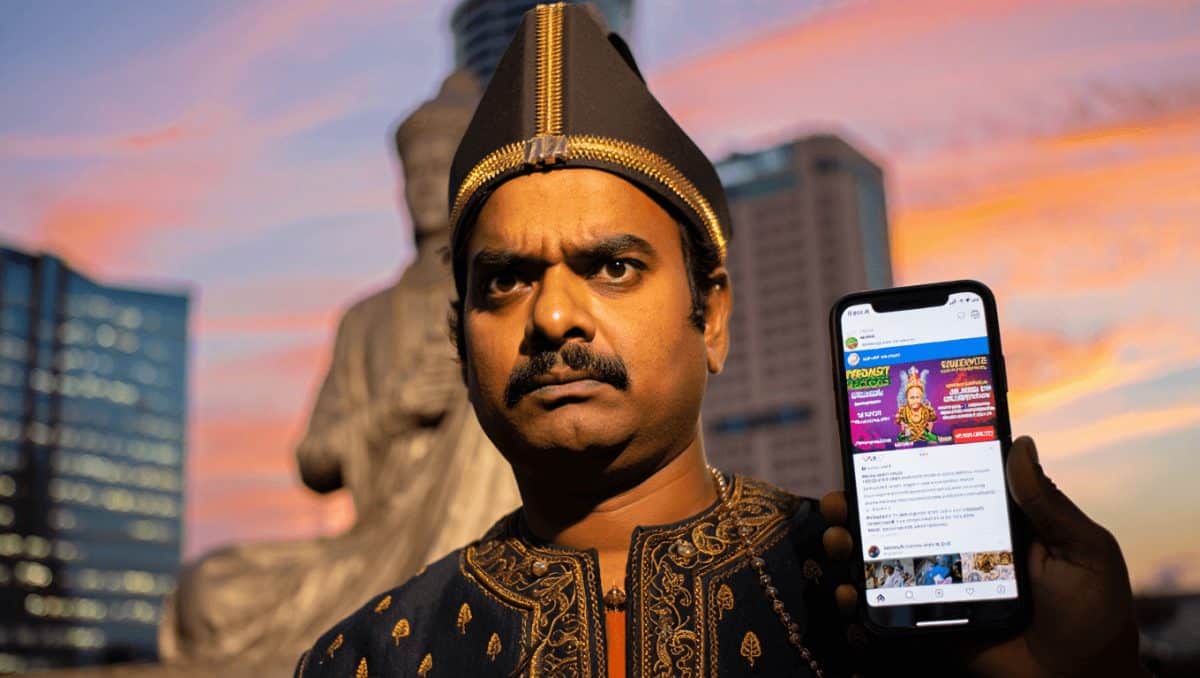
A personal post about family observances sparked a sharp exchange between friends: a comment accusing celebrants of endorsing violence, a reply that threatened retribution, and then a prolonged response defending faith and equal citizenship. That private argument is now a familiar pattern across Indian social media—short, visceral, and rarely followed by sustained conversation.
Kashi to Kedarnath costs revealed: how much a Sawan pilgrimage will set you back
Hinduism gains ground in Africa: new communities reshape culture and commerce
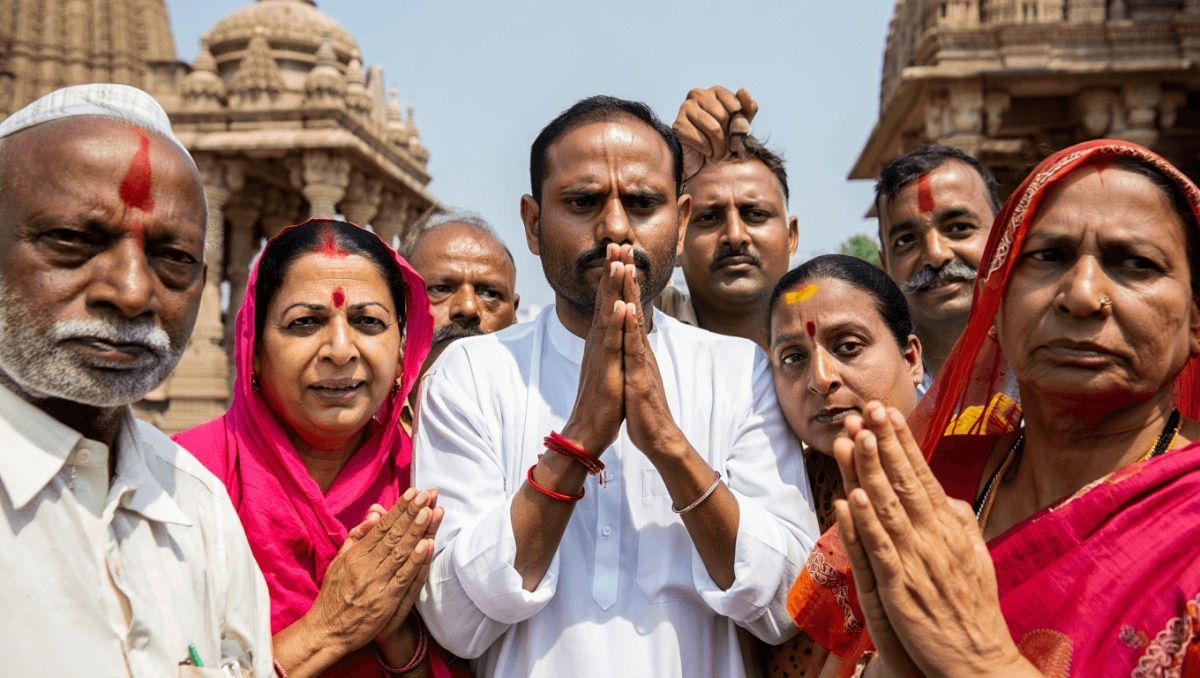
The person who posted explained that their intention was cultural and spiritual, not political. They described a lifetime shaped by the Ramayana’s values—compassion, forgiveness and duty—and said their ritual expressions should not be read automatically as a political endorsement of aggression.
At the same time, critics pointed to long-running grievances: the 1990s exodus of Kashmiri Hindus, contested temple-state relationships, and episodes such as the Sabarimala controversy, where faith practices clashed with modern legal interpretations of equality. Each side sees overlooked injustices and expects the country’s public discourse to acknowledge their pain.
Questions that keep surfacing
- Who counts as equal? Many Hindus in these conversations say they feel treated as second-class cultural citizens when their festivals, temples and histories receive less sympathetic coverage.
- Why do some grievances get attention while others fade? Examples cited include the plight of Kashmiri Hindus and campaigns around temple access, which some participants feel receive inadequate public sympathy.
- Do secular institutions apply rules consistently? Critics point to different governance arrangements for temples versus mosques and churches, and ask whether secularism is even-handed.
- What is the role of social media? Platforms accelerate emotional responses and reward certainty—often at the expense of nuanced listening.
These are not merely online quarrels. They touch on civic trust, minority protections, and how a plural society remembers history. When large swathes of citizens feel their narratives are invisible, political friction intensifies; when social platforms amplify only one side, reconciliation becomes harder.
How the media and platforms shape the debate
Newsrooms and algorithms both play a role. Media selection—what gets framed as a human-rights crisis and what becomes a “cultural” story—affects public empathy. Algorithms that prioritize outrage widen echo chambers, making personal relationships more brittle.
For readers and editors alike, this matters because the way stories are told conditions the real-world consequences: who gets protection, whose losses are compensated, and which historical wounds are publicly acknowledged.
Paths toward more constructive exchange
Turning a rancorous comment thread into a dialogue requires several steps that are practical and modest, not miraculous:
- Prioritize listening over immediate rebuttal: aim to understand the other person’s grievance before trying to correct it.
- Separate cultural expression from political endorsement: recognize that religious celebrations can be both deeply personal and politically sensitive.
- Insist on consistent standards: ask institutions and media to apply rules and scrutiny evenly across communities.
- Demand context from platforms and journalists: push for reporting that includes historical background and multiple perspectives.
None of this removes the hard disagreements. But a shift from accusatory posts to patient conversation would reduce the damage done to friendships, civic life, and democratic norms.
Ultimately, the exchange that began with a Facebook post is emblematic of a broader question facing India in 2026: can a diverse society hold competing memories and still find common ground? The answer depends less on grand gestures and more on whether people and institutions are willing to listen, acknowledge pain on all sides, and apply the same civic standards to every community.