Show summary Hide summary
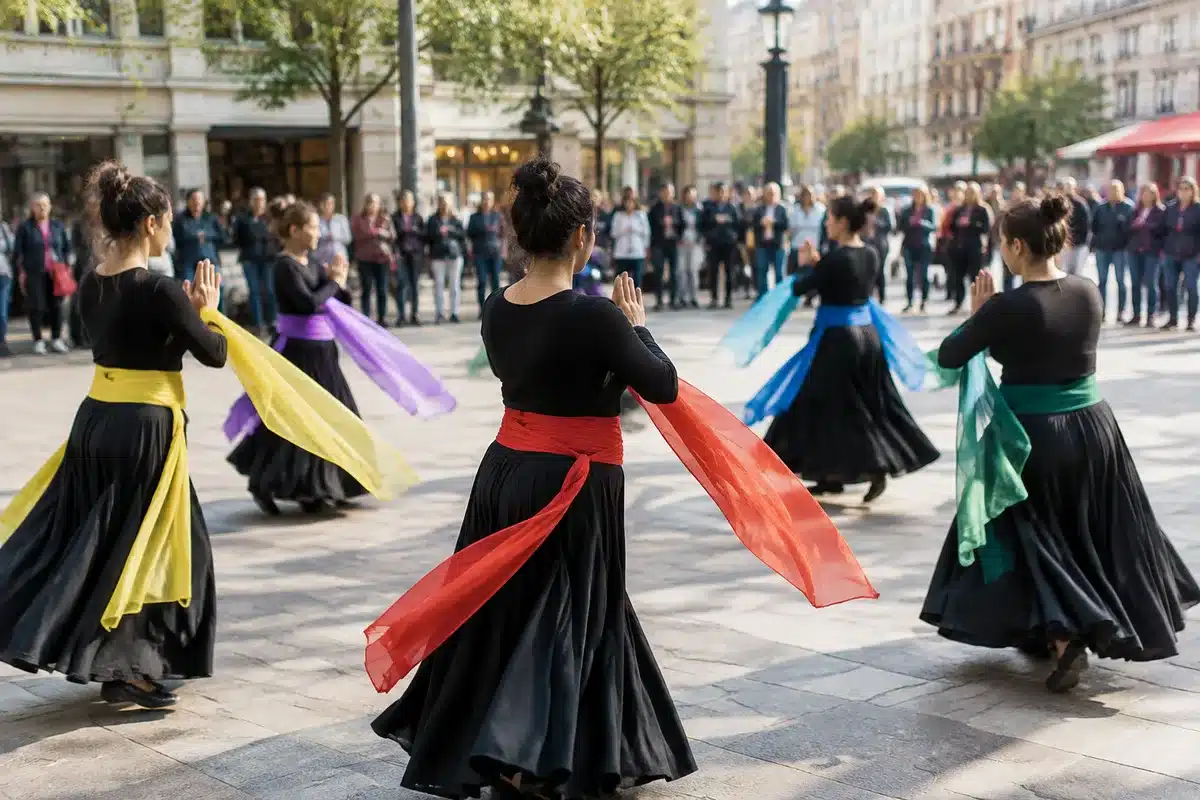
A clip of people dancing Garba in New York’s iconic Times Square has gone viral this week, reigniting a wider conversation about how cultural festivals travel and land in public spaces far from their origins. The split online reaction — celebration from many in the Indian diaspora and discomfort or critique from others — spotlights tensions around identity, visibility and the rules that govern urban public life.
Public reaction and debate
Short videos and photos of the Navratri gathering circulated widely across social platforms, drawing both applause and scrutiny. Supporters framed the footage as a joyful expression of heritage: a way for expatriates and visitors to mark a festival together and introduce local passersby to a centuries-old tradition.

Opponents raised questions about context and consent, arguing that high-profile tourist sites like Times Square are charged public stages where cultural displays can be misread or framed as spectacle. Others voiced concerns about logistics and permits — whether organized cultural events should follow the same regulations as other public gatherings.
Annamalai applauds Bhagwat’s message on Muslim inclusion in India
Navratri in Times Square goes viral: social media splits over Indian celebrations abroad
The reactions are not purely about one event. They reflect broader conversations about the place of ethnic festivals in cosmopolitan cities, how museums and monuments negotiate cultural performance, and the thin line between cultural diplomacy and commodification.
- Navratri and Garba: traditional Indian festival and dance form at the center of the footage.
- Times Square: a symbolic, highly trafficked public space that amplifies visibility — and debate.
- Social media: the primary amplifier that turned a local gathering into an international talking point.
Why this matters now
Urban festivals in landmark locations raise practical and political questions at once. For residents and planners, there are immediate concerns about crowd control, permits and safety. For communities, these events test how diasporas assert identity in public and how host cities respond — with encouragement, indifference or regulation.
At a cultural level, displays like the Times Square Garba expose competing ideas about authenticity. Some view public performances as necessary acts of cultural continuity; others worry that removing ritual from its traditional setting risks reducing it to a performative attraction for tourists and media.
Policy discussions often follow these viral moments. City officials and event organizers must balance the right to assemble and celebrate with rules that ensure public order. How that balance is struck can set precedents for future cultural expressions in shared urban spaces.
- Supporters say such events foster cross-cultural awareness and give diaspora communities visible recognition in global cities.
- Critics worry about appropriation, misrepresentation and the treatment of sacred or community-rooted practices as entertainment.
- Neutral observers point to logistics — permits, timing, and crowd management — as practical items that cities can improve without policing culture itself.
The debate also carries diplomatic weight: widely shared images of minority celebrations can shape outsiders’ perceptions of a country’s culture and of the host city’s openness. For organizers, the takeaway is increasingly clear — public cultural programming in landmark areas benefits from careful planning, clear communication and sensitivity to local context.
As viral footage continues to catalyze conversation, expect city agencies, community groups and event promoters to revisit permits and public outreach. What happens next — whether more Garba nights in iconic locations, new rules, or community-led dialogues — will say a lot about how multicultural urban life is negotiated in practice.