Show summary Hide summary
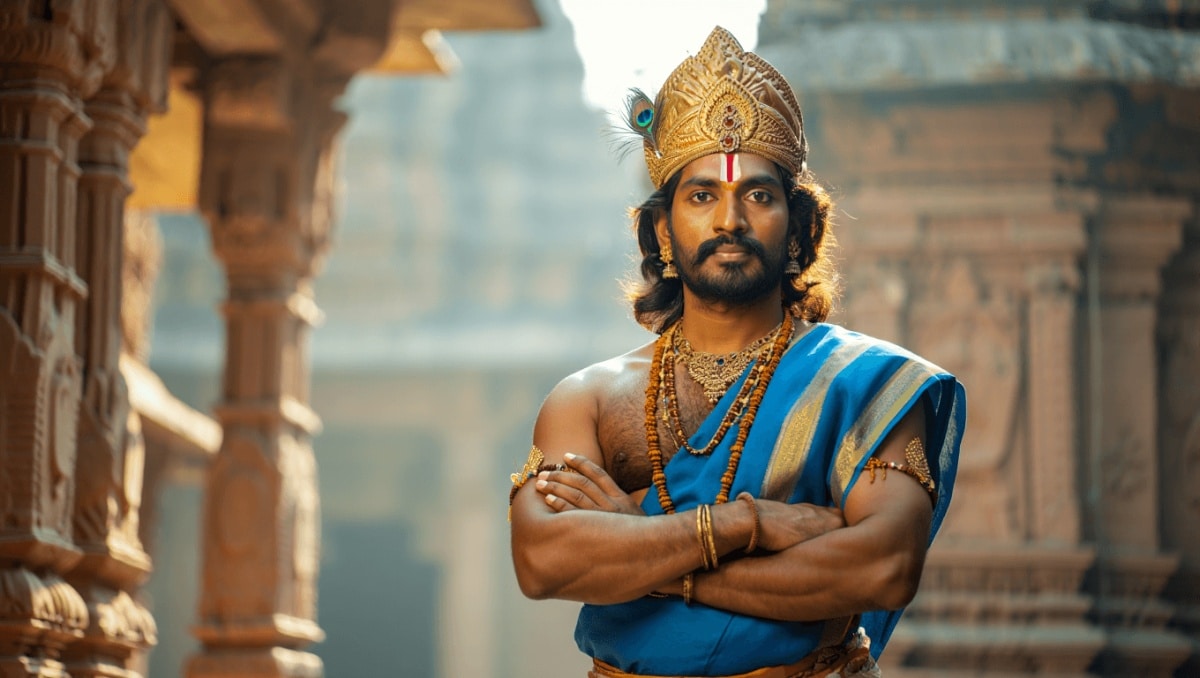
This year, as communities observe Balarama Jayanti, renewed attention falls on a figure who is both a warrior and a cultivator of devotion in Hindu tradition. Understanding Balarama today helps explain how rituals, moral examples and devotional lineages continue to shape religious life and cultural memory across South Asia and in diasporas worldwide.
1. Brother, ally and cosmic counterpart
In devotional texts, Balarama appears foremost as the elder companion of Krishna — not merely a sibling in a family saga but a fundamental expression of divine power. Some scriptures describe him as an original expansion of Krishna’s potency, a presence whose functions sustain the world while enabling the intimate, loving relationship between the divine and devotees.
Shah Rukh Khan used the name Abinav to ease in-law worries: Gauri adopted Ayesha during nikaah
Javed Akhtar hails Hindu festivals as cultural glue: throwback of atheist celebrating resurfaces
2. The original teacher — adi guru
Within traditions that place personal devotion at the center of spiritual life, Balarama is often credited with guiding people toward attachment to Krishna. He is portrayed as an intermediary: the one who opens the beloved’s heart to newcomers and practices so that genuine affection can take root. That role has earned him the title adi guru, a source of inspiration for later spiritual teachers.
3. Strength tempered by purpose
Balarama’s identity is inseparable from force — his very name includes the Sanskrit word for strength — yet the texts stress that his power serves a relational aim, not domination. A dramatic episode illustrates this: after diplomatic appeals failed to free his imprisoned nephew, a furious Balarama uprooted his plow and threatened to carry the city away, compelling the rulers to relent. The story frames strength as a corrective instrument, deployed to restore justice and preserve bonds rather than to wreak vengeance.
4. Compassion that transforms
Across narratives, Balarama’s might is balanced by a persistent compassion that seeks to change people from within. Later devotees and reformers have embodied that mood: for example, the 15th–16th century saint Nityananda is remembered in some Vaishnava traditions as a soft‑hearted incarnation of Balarama’s outreach. Stories about him approaching violent or disreputable figures until their hearts soften underline a consistent theme — mercy aimed at moral renewal can disarm even the most hardened individuals.
- Symbolic tool: The plow is a recurring emblem, representing Balarama’s role in preparing hearts for devotion.
- Martial arts teacher: Texts depict him instructing warriors in mace fighting, linking practical skill with spiritual authority.
- Nonpartisan stance: In epic conflicts, his reluctance to take sides emphasizes a higher allegiance to compassion and harmony.
- Lineage influence: Many contemporary devotional teachers trace inspiration to his example as a guiding elder.
- Festival focus: Balarama Jayanti is a time for almsgiving and communal worship, when followers renew pledges to service and devotion.
5. Observance and contemporary relevance
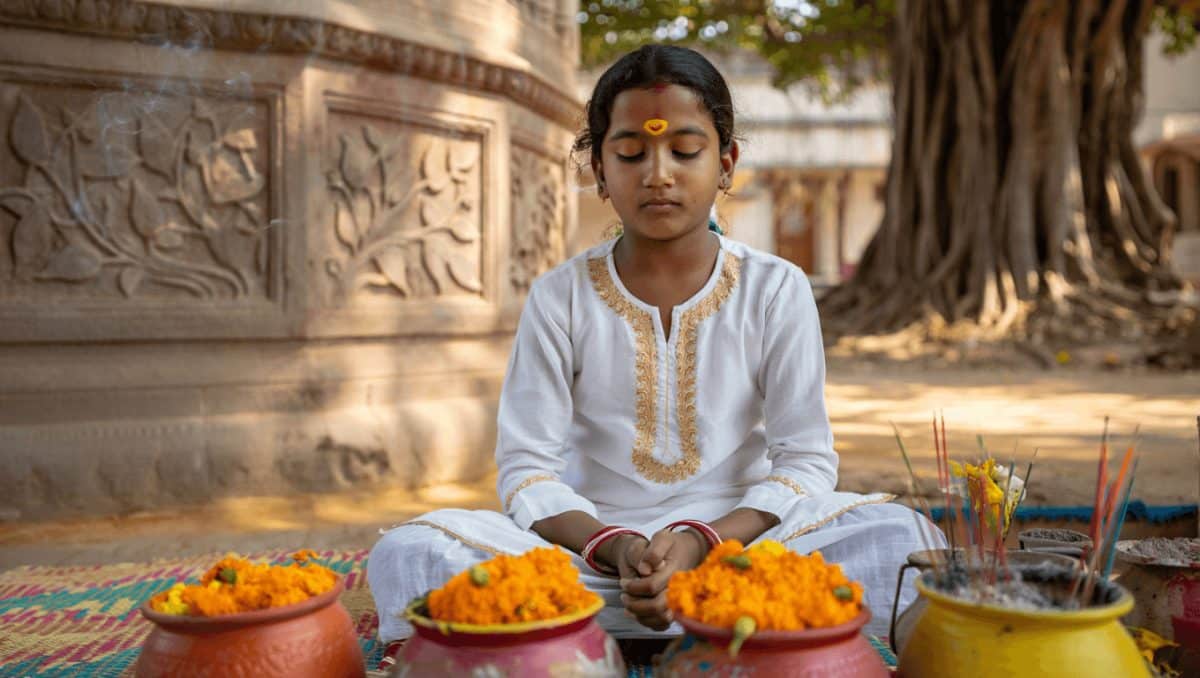
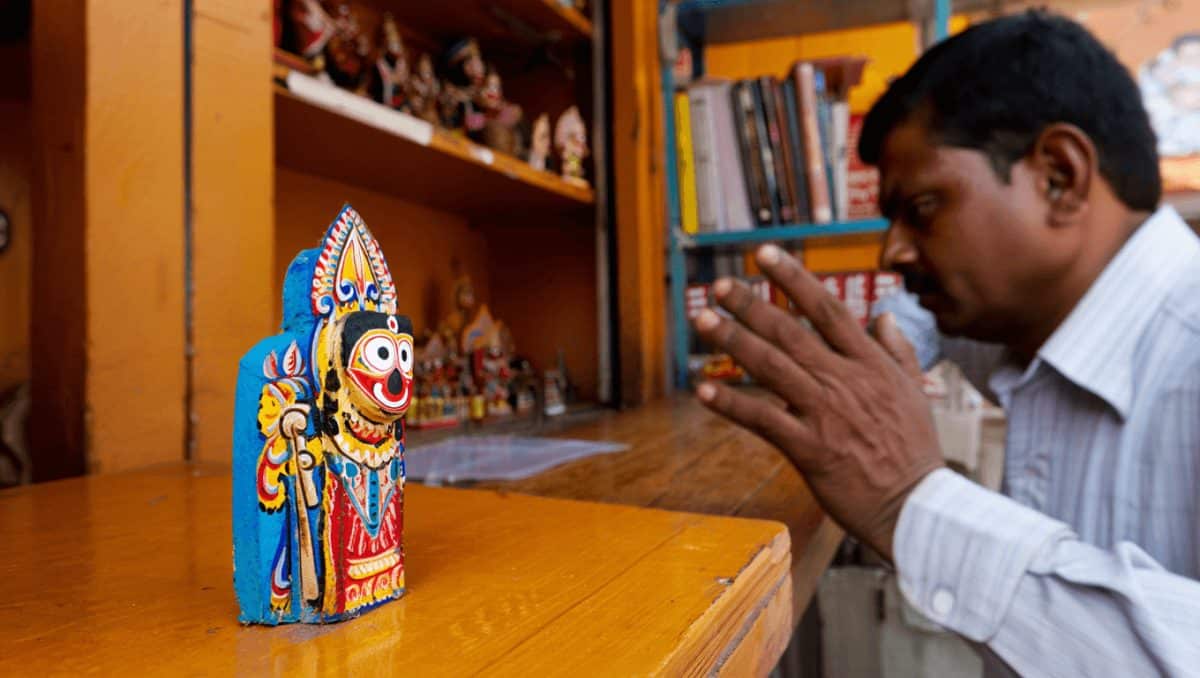
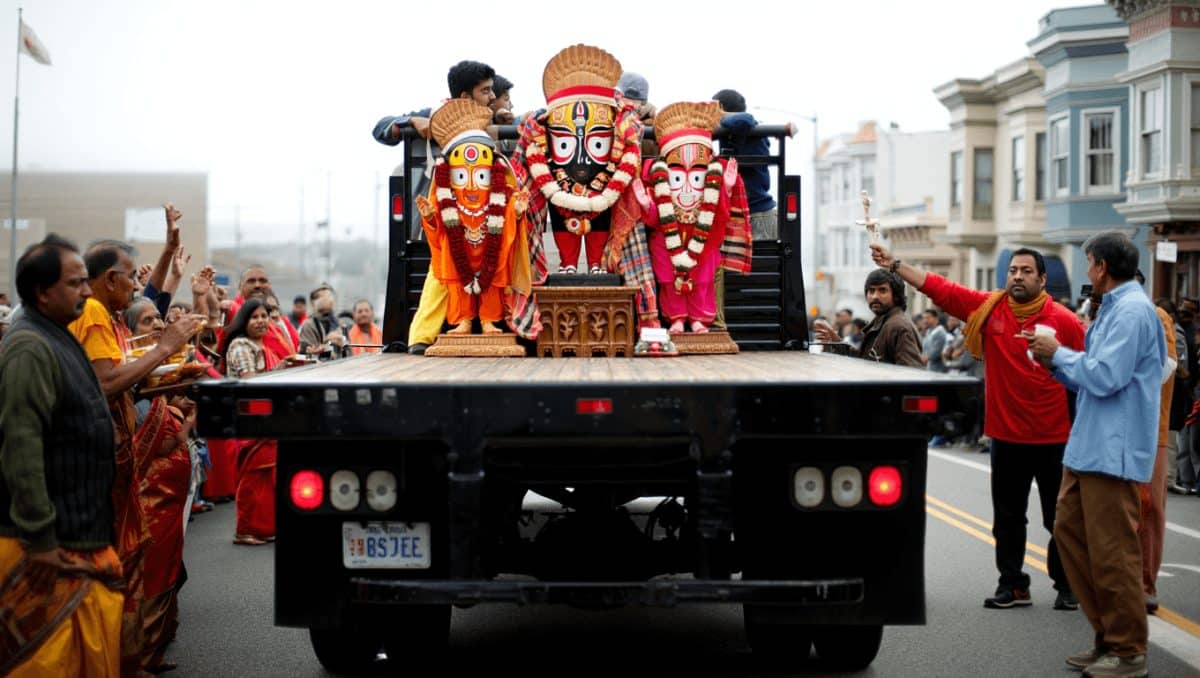
Celebrations for Balarama’s birth concentrate less on personal gain and more on generosity, moral repair and the cultivation of steady devotion. For modern practitioners and cultural observers, the festival provides a window into how ancient narratives inform ethical norms, communal identity and ritual rhythms. In diaspora communities, the observance also becomes a way to transmit values across generations.
Taken together, the portraits of Balarama emphasize a rare combination: robust, even awe‑inspiring strength, anchored by an ethic of compassion that aims to heal social and spiritual rifts. Whether encountered in scripture, festival, or living lineage, his example continues to influence how people imagine power, guidance and the path toward loving devotion.