Show summary Hide summary
This year’s Diwali arrives under the long shadow of the pandemic, turning familiar rituals into choices about health, community and care. As millions mark the festival of lights, its core message — choosing right action over fear and isolation — feels immediately consequential for how families and neighborhoods navigate the months ahead.
Hindu practice is not a single prescription but a wide-ranging tradition built around a few enduring ideas that shape daily life and rites of passage. Central to that framework are four life goals identified in the classical tradition: social duty, material welfare, pleasure, and spiritual freedom. These aims continue to inform how communities observe Diwali, even as celebrations adapt to public‑health restrictions and new social realities.
Four guiding aims that still matter
Govardhan Puja 2026: Annakut draws pilgrims as parikrama and special darshans kick off
Diwali: crucial updates on travel, markets and celebrations
- Dharma — obligations and ethical conduct that sustain social balance and personal integrity.
- Artha — the pursuit of resources and security needed to live and care for others.
- Kāma — joy, aesthetic pleasure and emotional well‑being, understood in balance with other aims.
- Moksha — liberation or spiritual fulfillment, seen as the ultimate horizon of the human journey.
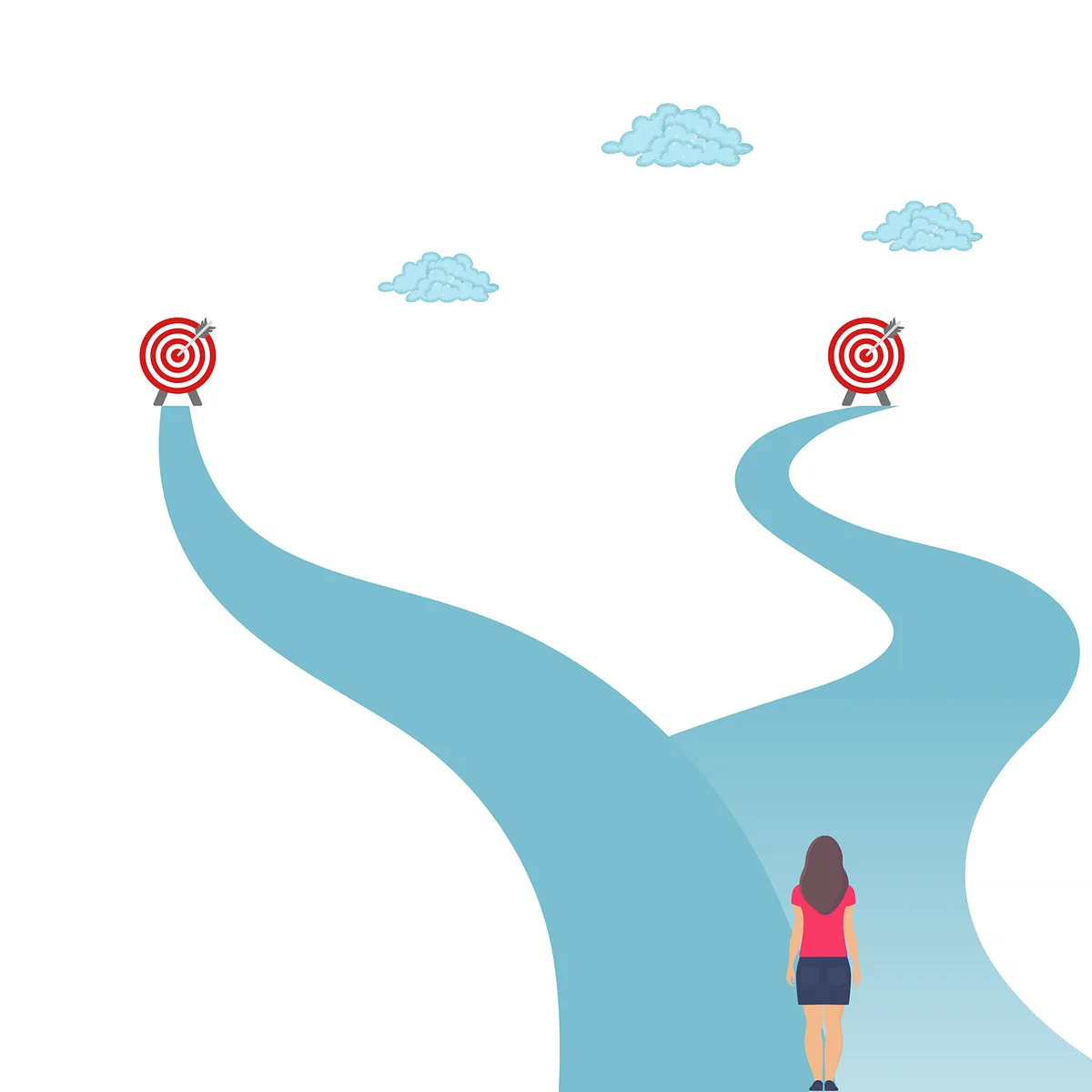
These goals are not ordered as strict priorities for every person but work as a moral vocabulary for decisions large and small — from how households prepare a puja to how communities respond to crises such as COVID‑19.
How the festival is structured — and what it signals
Diwali is commonly observed across five main days, each with its own rituals and meanings. The sequence blends myth, household practice and community obligation, and offers multiple moments for reflection and outreach.
- Dhanteras (first day) — traditionally a time for cleaning, organizing the home and invoking prosperity through Lakshmi worship. It serves as a practical reset: prepare the household and your mental space for the season ahead.
- Kālichaudas (second day) — a day associated with dispelling the inertia that undermines commitments. It is often framed as an ethical reminder to honor promises and follow through on intentions.
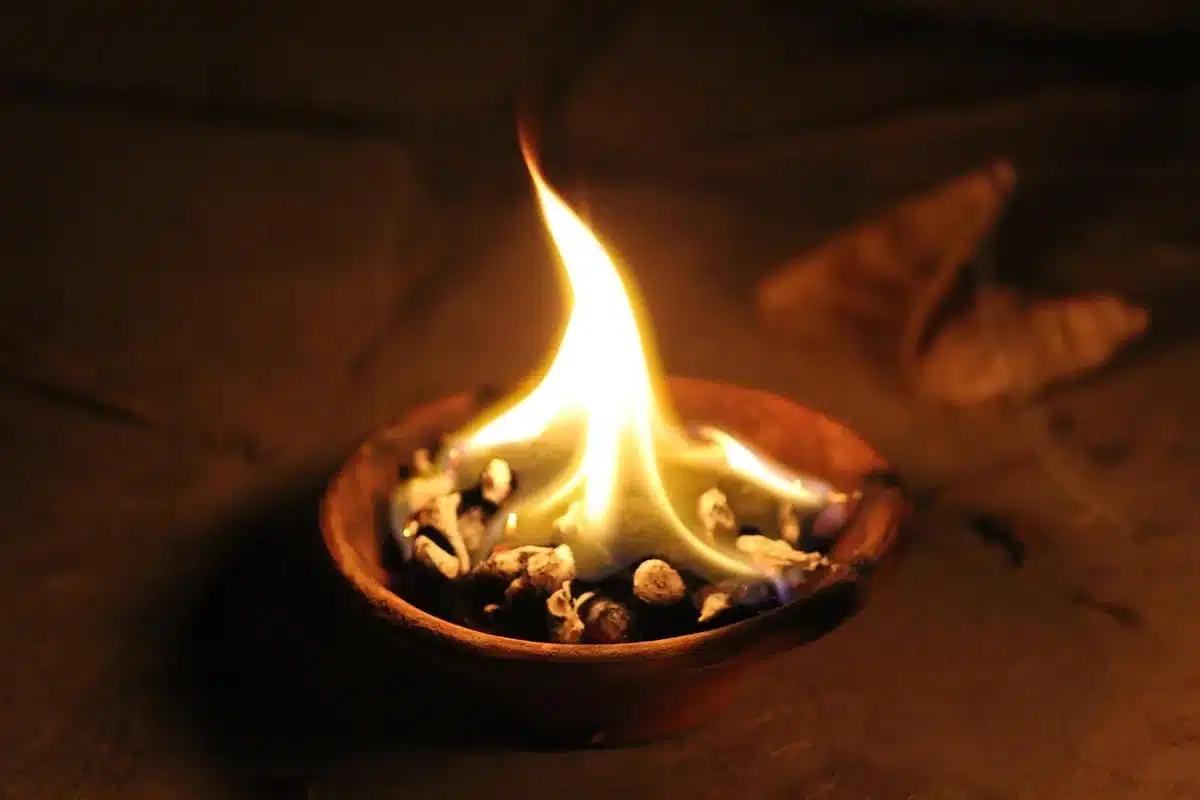
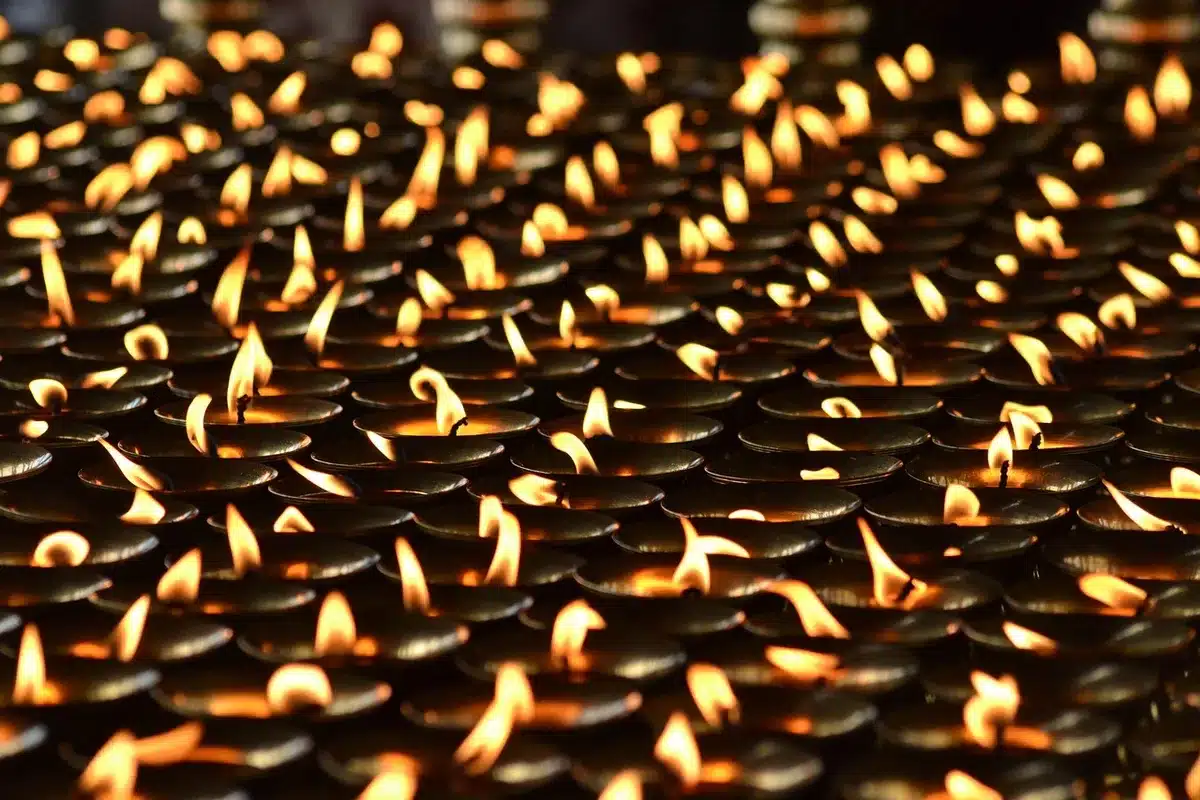
- Diwali proper (third day) — commemorates the return of Rāma to Ayodhya in some traditions and is marked by lighting lamps, welcoming blessings and opening the home to visitors. Hospitality is central, although this year many will welcome guests virtually or with careful distancing.
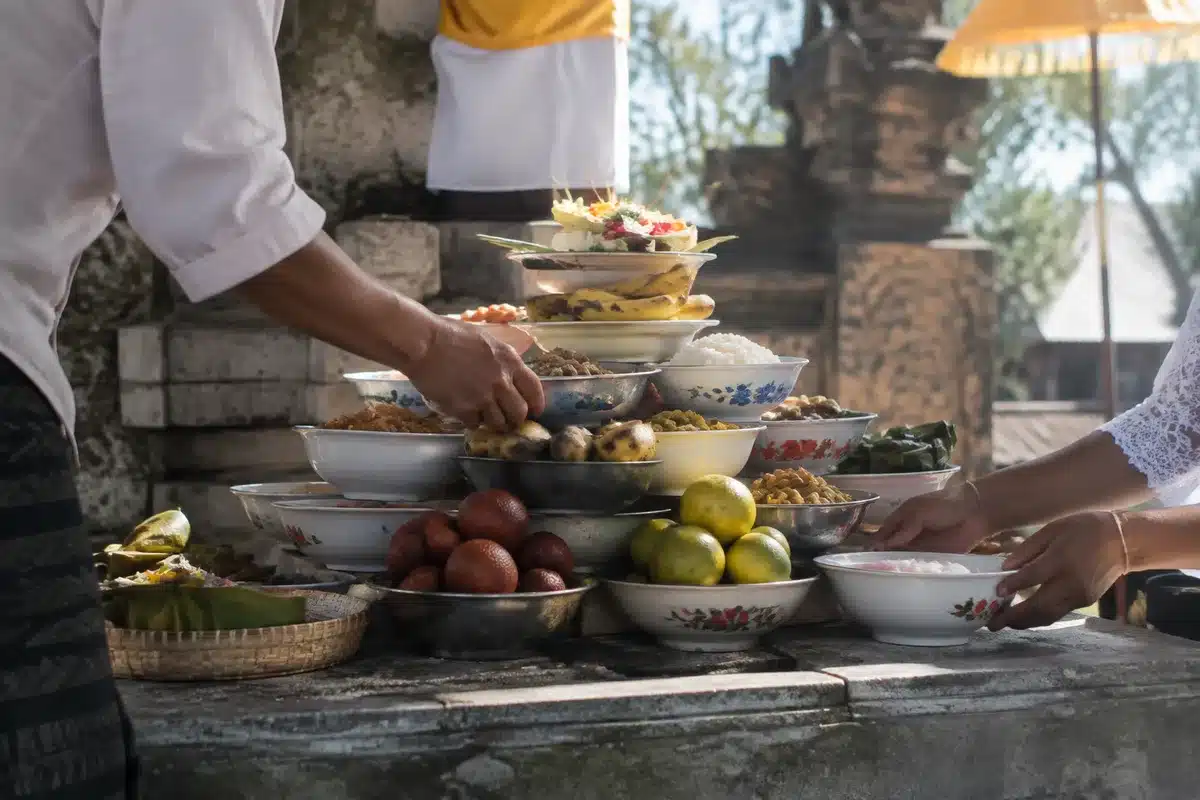
- Govardhan/Annakut (fourth day) — connected with stories of Krishna and the sharing of food offerings; it emphasizes gratitude and communal distribution of abundance.
- Bhai Dooj/Bhaiduj (fifth day) — a day for siblings and close ties, extending the festival’s social remit to affirm bonds beyond immediate households.
Across these days the festival repeatedly returns to common themes: clearing space, honoring the divine in others, celebrating abundance and repairing social ties. Those themes translate easily into pandemic‑era practice: cleaning becomes sanitation, rangoli and lamps are a way to mark presence without crowds, and offerings can be shared as contact‑free donations.
Practical relevance for this Diwali
Beyond ritual significance, Diwali offers concrete actions that affect public health and social cohesion now. Short, regular habits — both physical and relational — can alter outcomes at scale.

- Protect others: wear masks at home gatherings when there is any risk of exposure; keep groups small and well ventilated.
- Choose connection over convenience: call elders and isolated friends rather than sending only a message; time on the phone matters.
- Invest in well‑being: even fifteen minutes of movement or mindful breathing daily supports resilience and mental steadiness.
- Share sustainably: if exchanging gifts or food, favor items that are safe to distribute and environmentally responsible.
These are modest steps with outsized ripple effects. Small acts of discipline and attention — honoring promises, protecting health, giving time to others — echo the festival’s core moral teaching: light conquers darkness when people choose the common good.
Why the Ramayana story still shapes the festival
Many Diwali observances draw from the Ramayana’s narrative arc: exile, trial, rescue and return. That storyline is often read as a template for moral recovery — enduring hardship without abandoning duty, standing with others in times of danger, and rejoicing when justice and care are restored.
Whether households commemorate Rāma’s return to Ayodhya, Krishna’s protection of the village, or another regional legend, the stories reinforce an ethic: individual actions have collective effects. In 2026 that lesson is practical, not only devotional.
Small rituals, large consequences
How families adapt matters. Cancelled gatherings and quieter streets do not make Diwali less meaningful; they change its expression. Lighting a lamp in a window, sharing an online puja, donating to a food bank, or calling someone who lives alone are all ways to enact the festival’s values while reducing risk.
For many, this Diwali will be a test of how ritual can be preserved while protecting public health. The choices people make now — about masks, movement, and how they spend their time — will influence community transmission and the emotional resilience of those around them.
In practical terms: prioritize safety, tend your relationships, and let the festival’s message of renewed commitment guide small daily decisions. Those choices are how the light of Diwali becomes a living, contemporary force.
—
Reporting and context by a specialist on Hindu culture and public life. For readers seeking deeper background: consider a local temple’s guidance about safe observance and community charity options that comply with health guidelines.