Show summary Hide summary
BJP MP Sudhanshu Trivedi has accused certain opposition elements of using street protests and policy critiques as a cover for a broader plan to topple the government — an allegation that further intensifies political faultlines as protests over the electoral roll revision continue in Delhi. His statements, made this week, raise fresh questions about rhetoric, responsibility and the stability of public institutions at a volatile moment.
What Trivedi said
Speaking after Prime Minister Narendra Modi’s Vijayadashami remarks, Trivedi argued that a set of coordinated actors are pushing repeated demands that, he claimed, mask a single objective: forcing a change in government through unrest and conspiratorial activity. He listed three broad motivations he believes are driving these groups: enrichment through power, fomenting social divisions, and hostility toward India’s cultural and religious traditions.
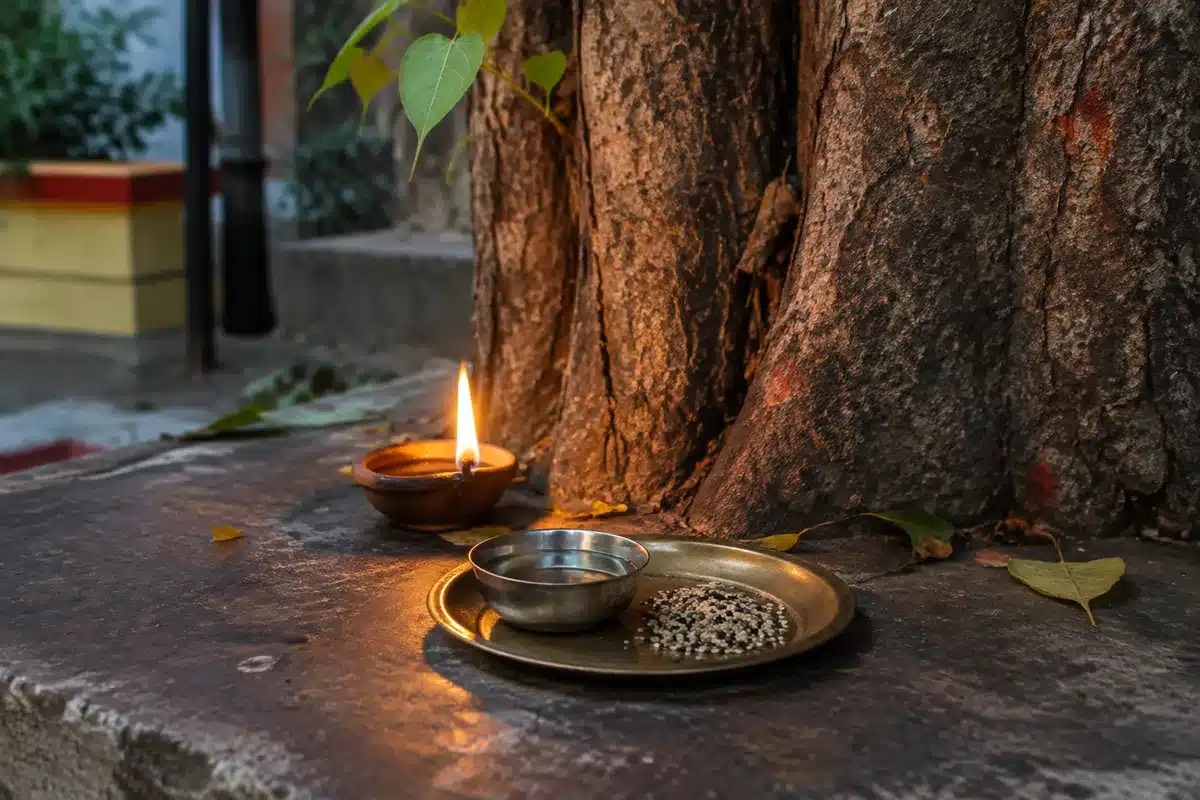
Somvati amavasya 2026: when it falls and quick rituals to mark it
Kashmir 30 years on: displaced communities recall the homes they left
Trivedi singled out recurring attacks on state bodies and processes — naming LIC, HAL, SBI and SEBI alongside controversies over vaccines, EVMs and the electoral rolls — as examples of issues that, in his view, are repeatedly resurfaced to sustain agitation.
- Repeated grievances: He said one demand is quickly replaced by another, creating a cycle of unrest.
- Disguised intent: Drawing a cultural analogy, he claimed some activists present benign demands while concealing a larger, destabilising aim.
- Foreign link suspicions: Trivedi pointed to remarks made after overseas visits — including talk of dramatic consequences such as a “hydrogen bomb” or a “tsunami” — as suggestive of outside influence, without naming specific actors.
- Internal puzzle: He questioned comments by Shiv Sena leader Sanjay Raut about Rahul Gandhi, asking what information Raut might hold that even Congress leaders supposedly do not.
Broader context and who is using the phrase “regime change”
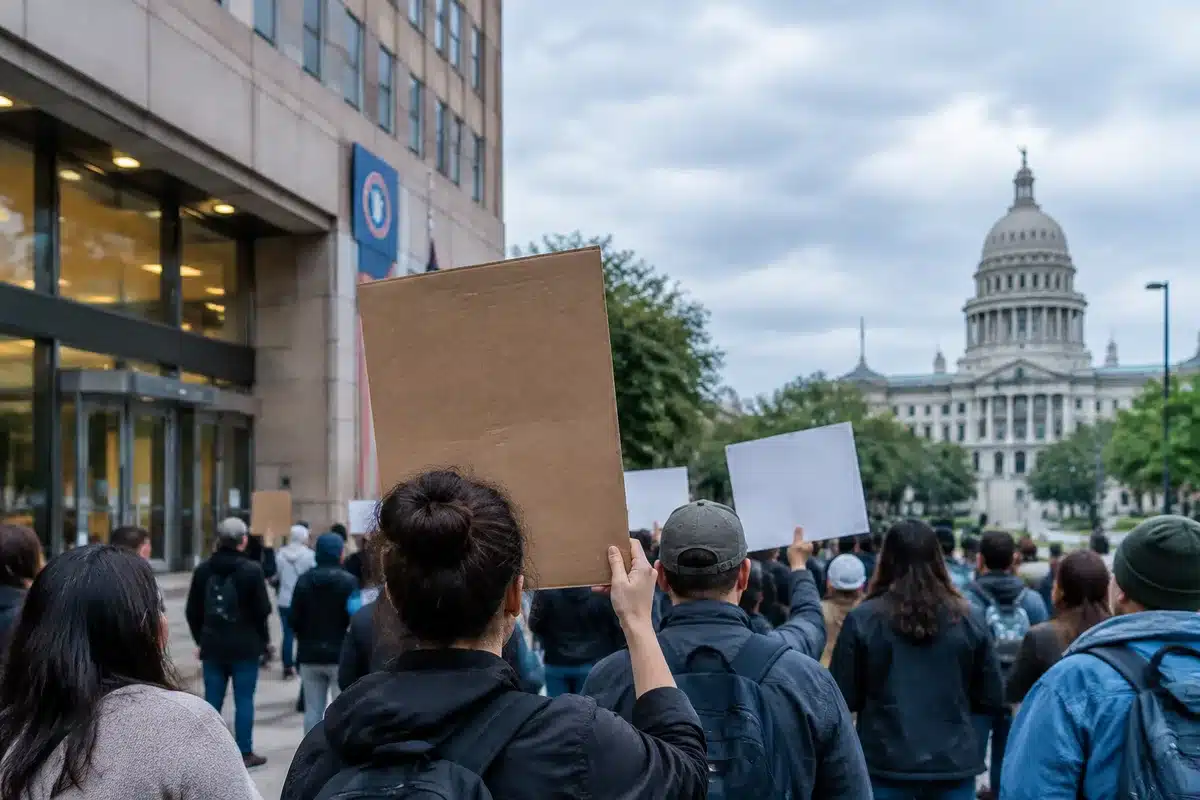
The accusations come amid sustained protests in Delhi over the Special Intensive Revision (SIR) of electoral rolls and alleged irregularities in that process. Several public figures associated with the demonstrations have used or discussed the term “regime change” — including senior advocate Prashant Bhushan, All India Students Association leader Neha Bora and Congress spokesperson Pawan Khera — and those remarks have become a flashpoint in the wider political debate.
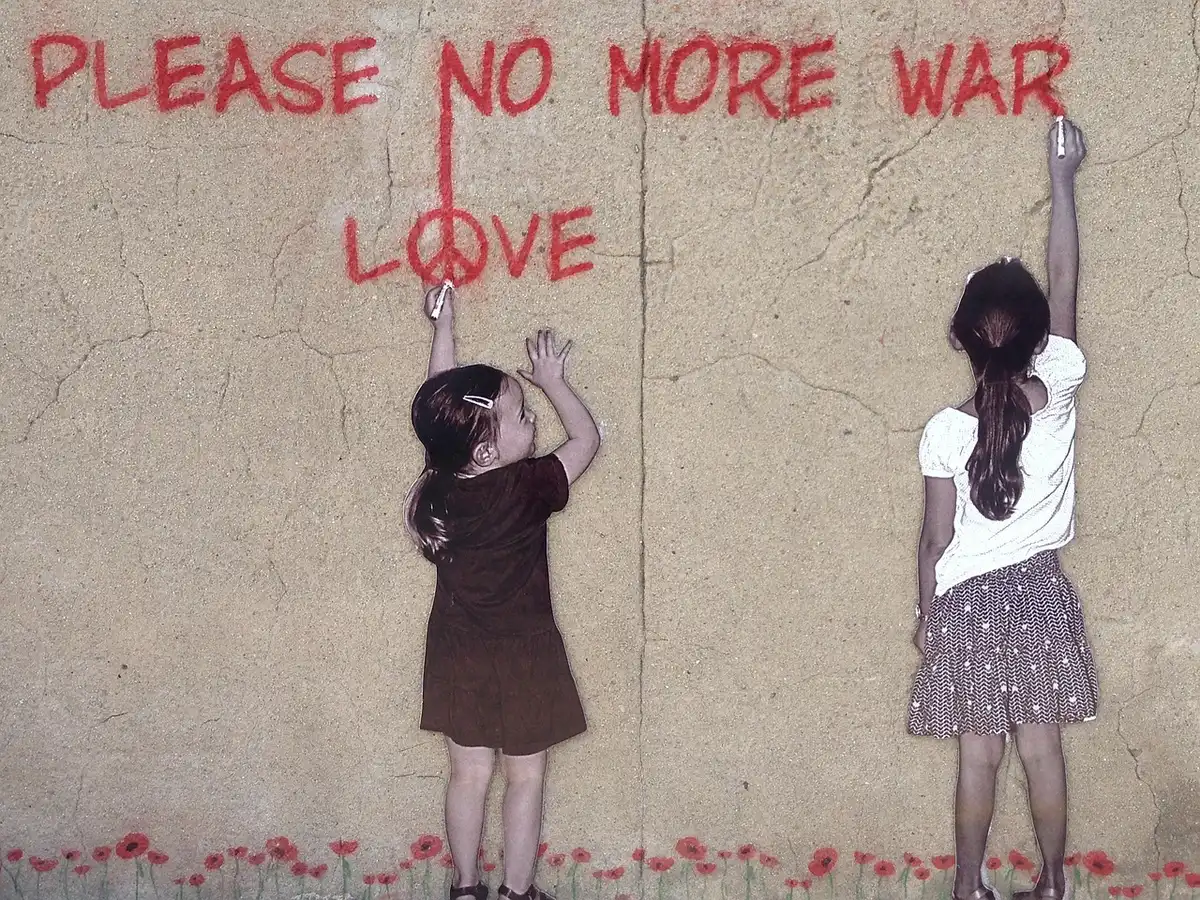
Uddhav Thackeray, leader of Shiv Sena (UBT), has defended protestors’ right to seek change, saying that when voters feel denied legitimate democratic outlets, they may turn to other means to pursue political turnover.
Meanwhile, the BJP has amplified scrutiny of Opposition leaders’ movements abroad. The party circulated a clip on X that it said shows Rahul Gandhi travelling to Vietnam, a detail presented to question priorities and allegiances during the protests.
Why this matters now
The dispute is not only political rhetoric; it carries concrete implications for public trust and institutional stability.
- Electoral confidence: Continued claims about the integrity of rolls, voting machines and registration processes can erode faith in elections.
- Polarisation risk: Accusations of cultural assault or foreign-backed plots deepen social divisions and harden partisan positions.
- Policy drift: When debates turn to allegations and counter-allegations, attention can shift away from administrative fixes that might resolve practical problems with the SIR process.
Trivedi expressed confidence the government would withstand any attempt to unseat it, citing public mandate and administrative resolve under Prime Minister Modi. He framed the allegations of a plot to force government change as a national-security-style concern rather than ordinary political disagreement.
At present, the claims and counterclaims remain primarily in the realm of public accusation rather than proven fact. Legal challenges, further statements from involved leaders and reporting on the SIR process are likely to determine whether these tensions subside or escalate into a more sustained crisis of trust.