Show summary Hide summary
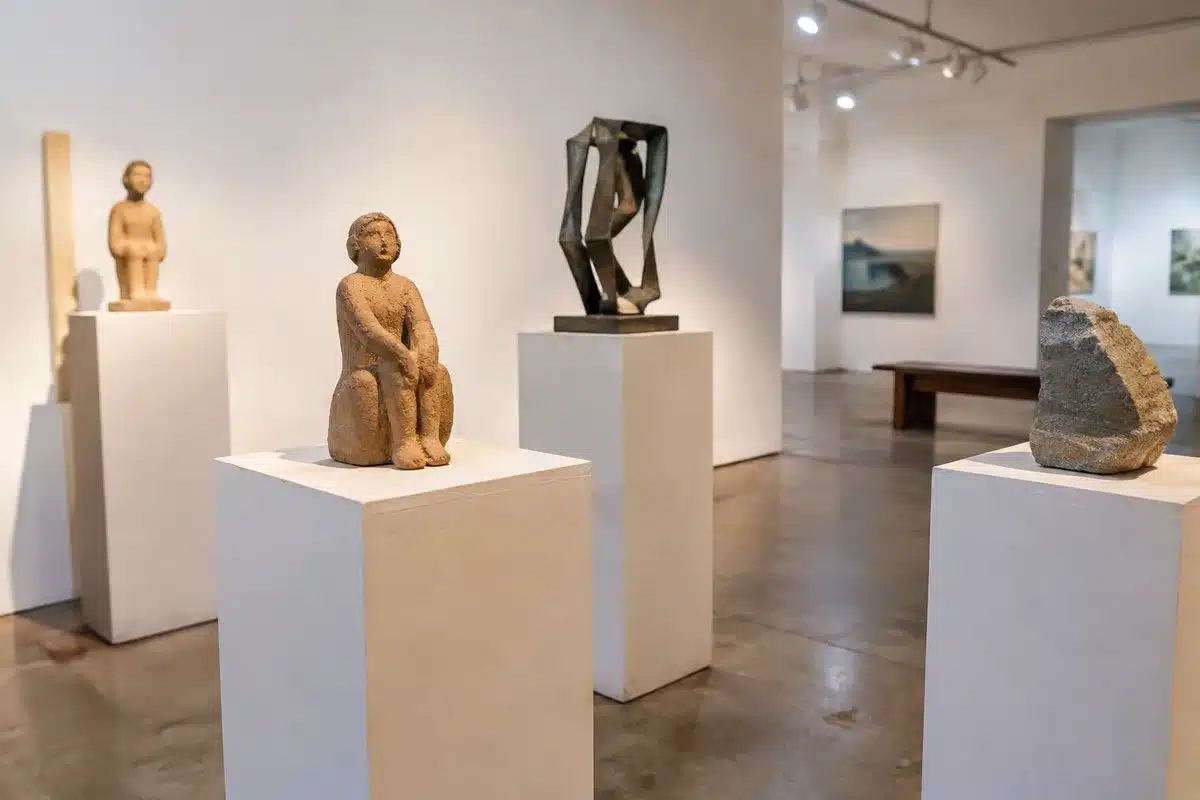
At Delhi’s National Gallery of Modern Art this October, a wide-ranging show places contemporary three-dimensional practice in conversation with India’s long sculptural past, from early urban cultures to living artists today. The exhibition brings together more than 250 works by established names and newcomers chosen through an open selection process, and many pieces are available for purchase by collectors and institutions.
A long view brought into the present
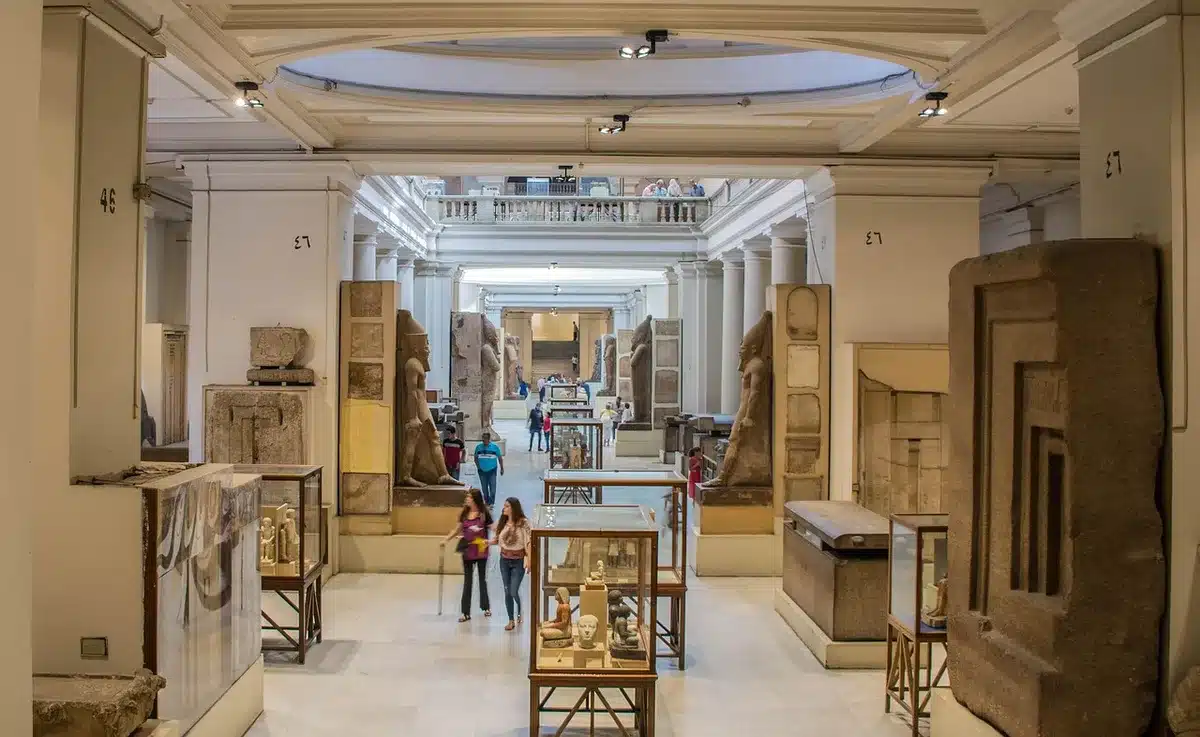
Visitors encounter a display that deliberately links ancient traditions with current experiments in form and material. By moving from references to Harappan figurines and early stone carving toward recent works in metal, found objects and mixed media, the show underscores how sculptural concerns—scale, presence, ritual, durability—remain active in contemporary practice.
Not every room treats history the same way. Some galleries set up direct visual echoes with simplified forms and compact figures, while others spotlight large, site-specific or kinetic pieces that speak to urban life and environmental anxieties. The variety is meant to prompt comparison, not to offer a single narrative.
Somvati amavasya 2026: when it falls and quick rituals to mark it
Kashmir 30 years on: displaced communities recall the homes they left
What you’ll see and why it matters
– More than 250 sculptures spanning small votive-like objects to large floor-standing installations
– A mix of veteran sculptors and newer voices selected via an **open call**, offering a snapshot of the current field
– Works made in traditional materials such as stone and bronze alongside pieces using recycled metal, textiles and industrial detritus
– Opportunity for acquisition: many pieces are listed for sale, creating direct support for artists and new collecting avenues for buyers
This arrangement changes how the public, collectors and museums engage with contemporary sculpture. For artists, inclusion can mean visibility and sales; for curators, it offers a ready survey of emergent trends; for audiences, it reframes familiar motifs in fresh contexts.
Curatorial choices and critical angles
Curators have balanced chronological reference points with thematic clusters—form and scale, memory and material, the body and abstraction—so the exhibition reads as a conversation rather than a timeline. That editorial decision amplifies particular questions: how do traditional techniques survive in an urbanized India, and how do newer materials reconfigure meanings tied to craft and monumentality?
There’s also an implicit market story. By making many works available for purchase within the gallery, the show narrows the gap between exhibition exposure and economic support, a significant shift for sculptors whose work can be costly to produce and install.
Practical notes for visitors
– Location: National Gallery of Modern Art, Delhi
– Scope: Over 250 sculptures by established and emerging artists, selected through an **open call**
– Accessibility: Galleries display a wide range of scales; some large installations may require advance viewing times or guided access
Perspective
Exhibitions that link ancient artistic practices to present-day makers do more than celebrate continuity; they test how cultural forms adapt to contemporary pressures—urban growth, material scarcity, and shifting patronage. This show at NGMA offers a useful case study in how a national institution stages those questions for a broad public while also functioning as a marketplace for living artists.
Whether you are a collector, a curator or a curious visitor, the exhibition provides a concentrated look at where Indian sculpture is now and how it continues to evolve.