Show summary Hide summary
Fifteen days after Diwali, Varanasi stages a second, city-wide festival of lights that transforms the Ganges into a shimmering corridor of flame. In 2026 the celebration falls on Tuesday, 24 November — Kartik Purnima — drawing pilgrims and visitors to the riverbank for an evening that blends ritual, music and spectacle.
The festival in brief
Known locally as Dev Deepawali, the night marks several overlapping commemorations: a traditional belief that gods descend to bathe in the Ganges, the Hindu celebration of Shiva’s victory over Tripurasura (Tripurotsav), and the full moon observed by other faiths. The result is a single, densely attended occasion where different communities converge on Varanasi’s riverfront.
Somvati amavasya 2026: when it falls and quick rituals to mark it
Kashmir 30 years on: displaced communities recall the homes they left
How the night unfolds
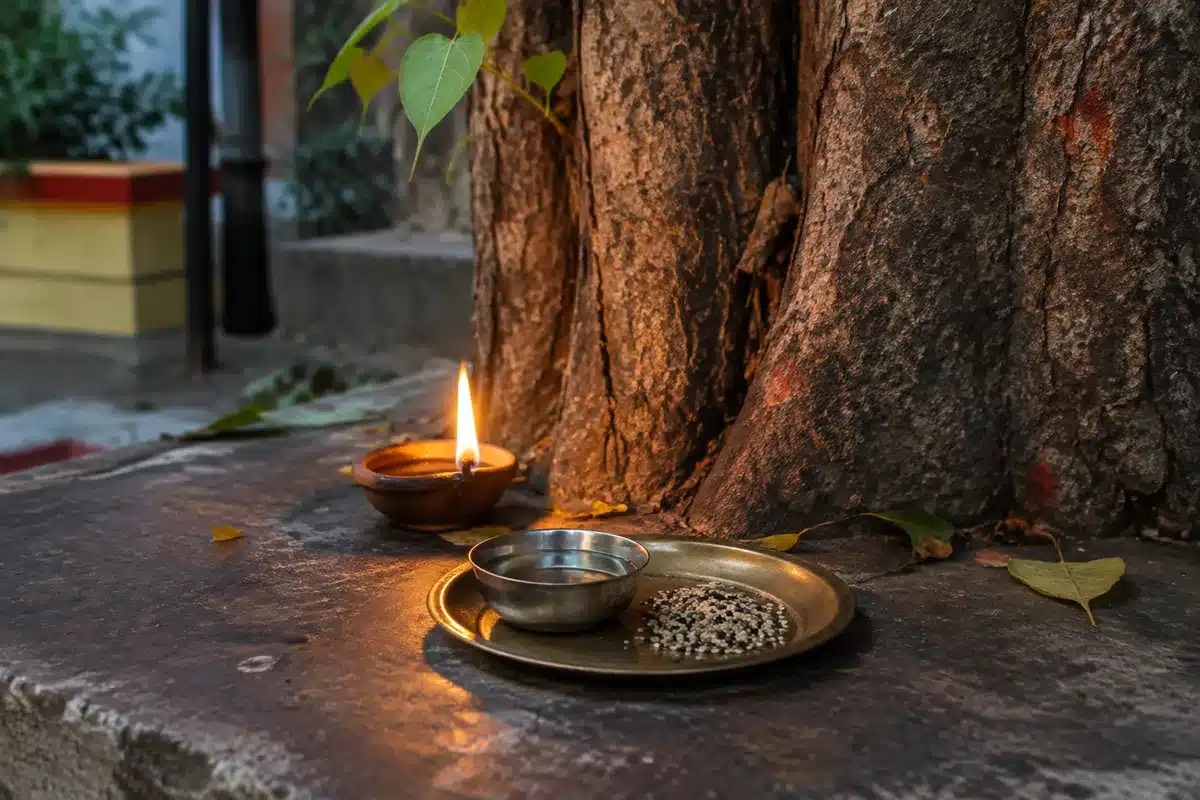
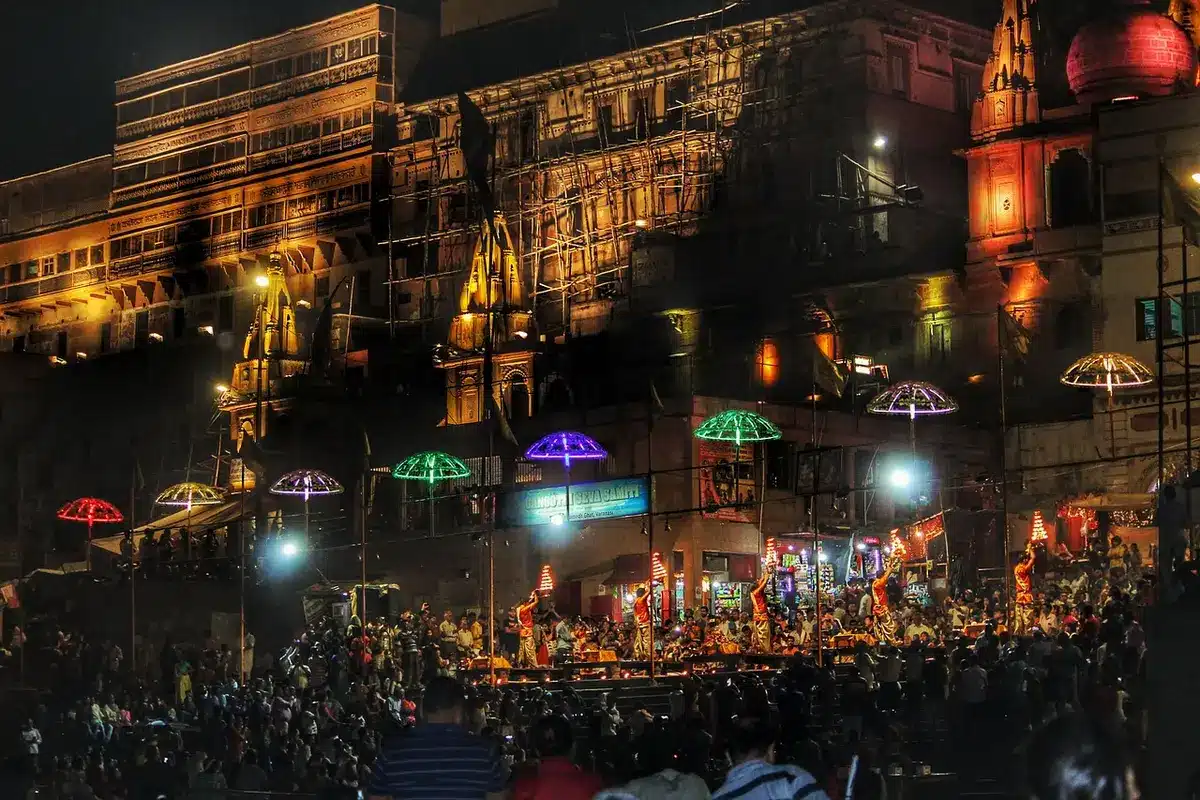
- From late afternoon, volunteers and pilgrims place clay lamps on the steps of the city’s 84 ghats, creating a continuous ribbon of light that runs along the river for several kilometres.
- The evening’s main ritual is the Ganga Aarti at Dashashwamedh Ghat, staged with synchronized chanting, bells and incense; on Dev Deepawali this ceremony is larger and more elaborate than at other times of year.
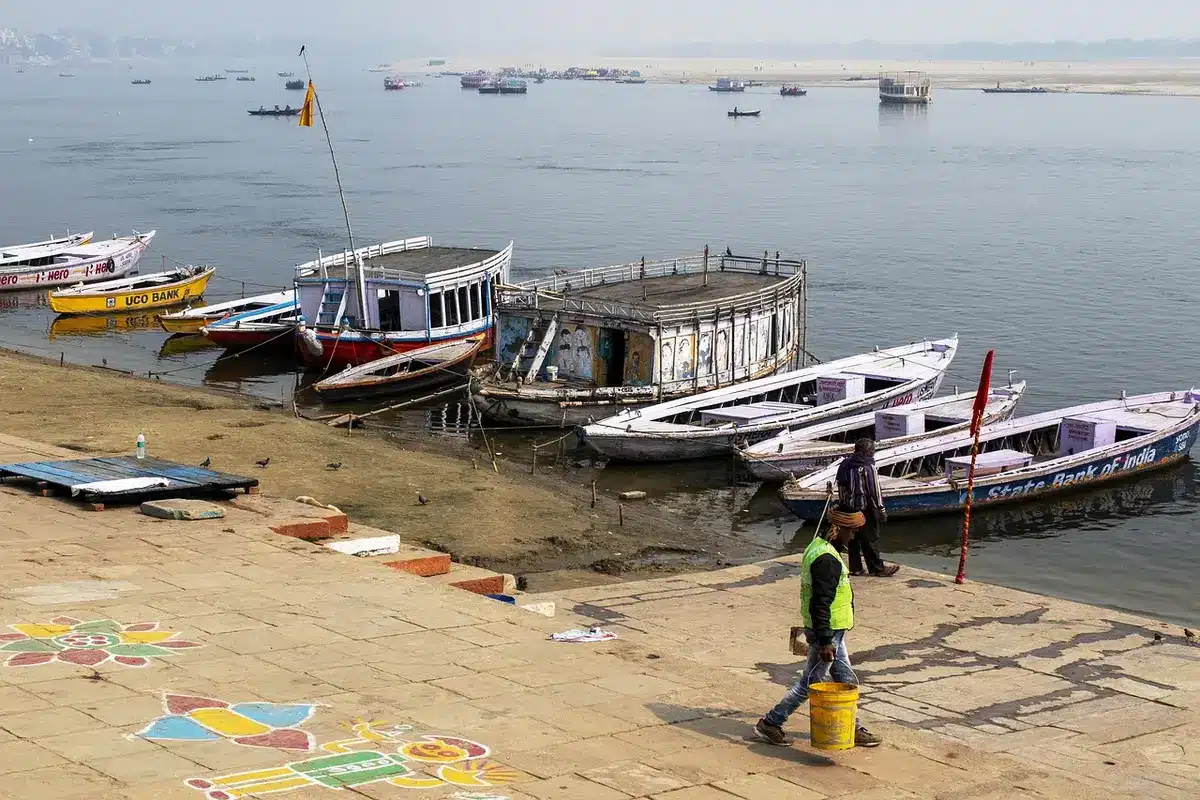
- Many observers consider the view from a boat the most compelling; the river fills with small craft that circle to take in the illuminated ghats from the water.
- Ritual bathing (Kartik snan) begins before dawn and continues through the day, while cultural performances and processions extend the event well into the night.
The scale is striking: individual lamps, lit by thousands of hands, combine to produce a single collective display. For photographers and travelers alike, the moving interplay of flame, water and chant creates an atmosphere that is difficult to convey on screen.
If you plan to attend
- Book well ahead. Hotels and boat tickets sell out quickly and fares rise as the date approaches — expect heavy demand in the days surrounding 24 November 2026.
- Get there before sunset. Access becomes slow once darkness falls and the ghats fill; arriving early gives better vantage points and more comfortable movement.
- Dress respectfully and for the weather. Late November evenings on the Ganges can be cool; modest clothing suits the religious setting.
- Give rituals space. Photography is usually permitted but avoid obstructing the aarti or those taking the holy dip; drones are inappropriate over the crowd and river.
- Travel light. Carry minimal valuables, some cash and a charged phone — crowds are dense and navigating back to lodging can take time.
Dev Deepawali is as much a communal act as a spectacle: unlike household Diwali, this celebration is performed publicly, with an entire city participating as if it were a single family. For visitors, that civic scale — thousands of small lights, matched by music and prayer — is what gives the night its enduring power.
The timing also matters for anyone considering a trip: beyond the visual reward, the event offers a rare opportunity to observe multiple religious observances in one place and to see how Varanasi’s social and spiritual life converges around the river. If you go, plan carefully and allow time to simply stand by the water as the lamps reflect and the city’s rhythms unfold.