Show summary Hide summary
This November, communities across India and the global Indian diaspora will observe Chhath, a four-day festival of sun worship marked by strict fasting and riverside rituals. For 2026 the main rites fall between 13 and 16 November — dates that affect travel, public gatherings and preparations in many cities and towns.
What to expect this year (13–16 November 2026)
- Nahay-Khay — Friday, 13 November: ritual bathing and a simple, sattvic meal to begin the fast.
- Kharna — Saturday, 14 November: daytime fasting culminating in evening offerings of sweet porridge; worshippers then observe a roughly 36-hour waterless fast.
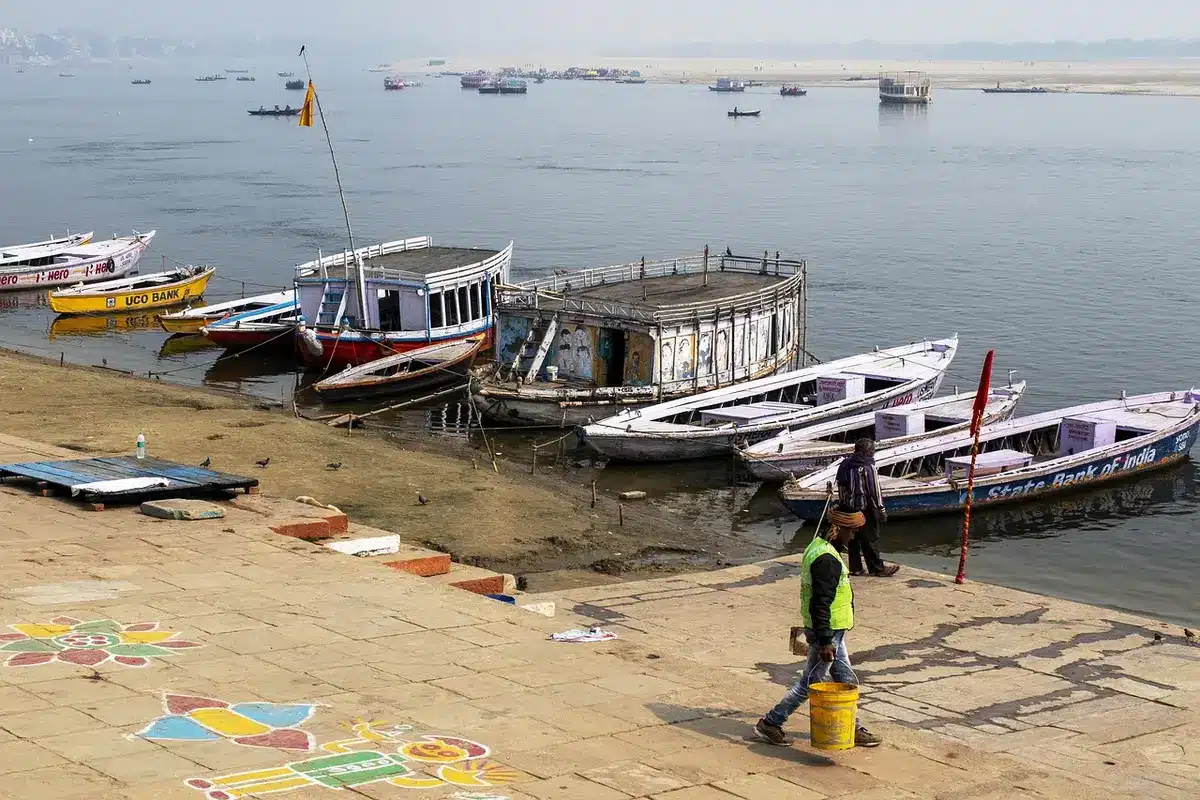
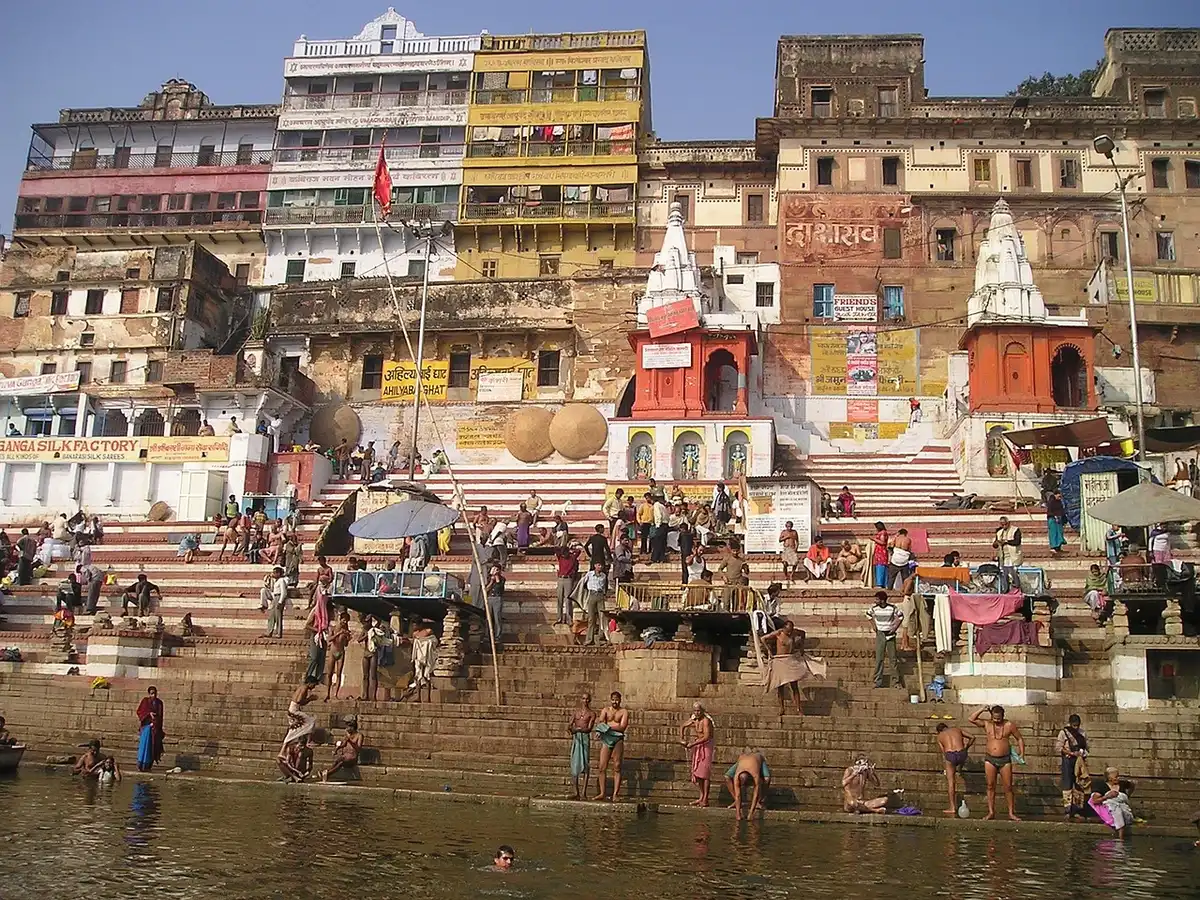
- Sunset arghya — Sunday, 15 November: devotees gather at riverbanks, ponds or other waterbodies to offer prayers to the setting sun.
- Sunrise arghya (Paran) — Monday, 16 November: the fast ends after offering to the rising sun and sharing the prasad.
Somvati amavasya 2026: when it falls and quick rituals to mark it
Kashmir 30 years on: displaced communities recall the homes they left
Why the sun matters in Chhath
Chhath centers on gratitude to the sun, water and the living earth. Its rituals trace back to ancient Vedic practices of solar reverence and have been woven into regional folk faith over centuries. Performing offerings at both sunset and sunrise signals continuity — the link between endings and new beginnings in the life cycle.
Ritual practice and practical notes
The festival is known for its rigorous discipline: many participants observe an extended fast without water. Medical professionals advise anyone with chronic conditions, pregnancy, or other health concerns to seek advice before attempting a long fast; alternatives and modified observances are commonly accepted and respected within communities.
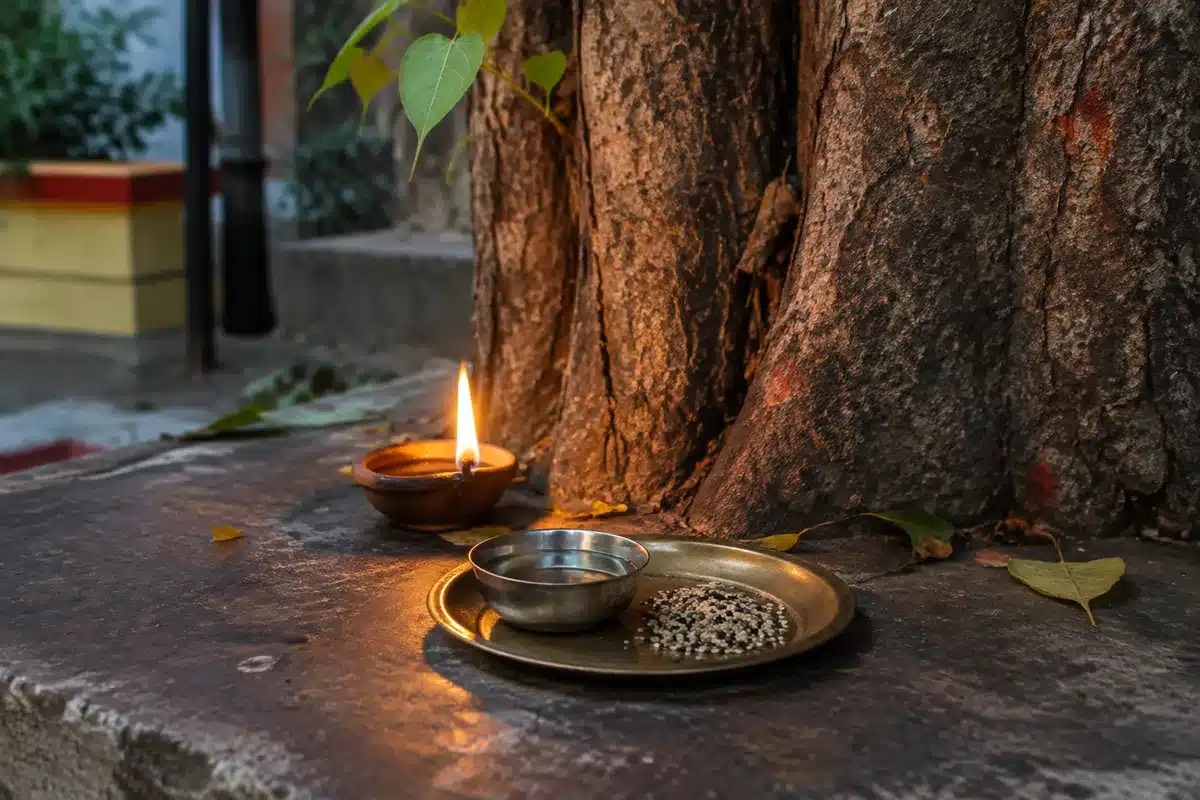
Food preparations follow strict rules. Traditional items such as rice kheer, the fried sweet known as thekua, seasonal fruits and simple breads are prepared on clay stoves and served in clean, often newly acquired utensils. There are no idols involved — the sunlight, water and offerings placed on bamboo trays become the focus of worship.
Where the rites take place — ghats and alternatives
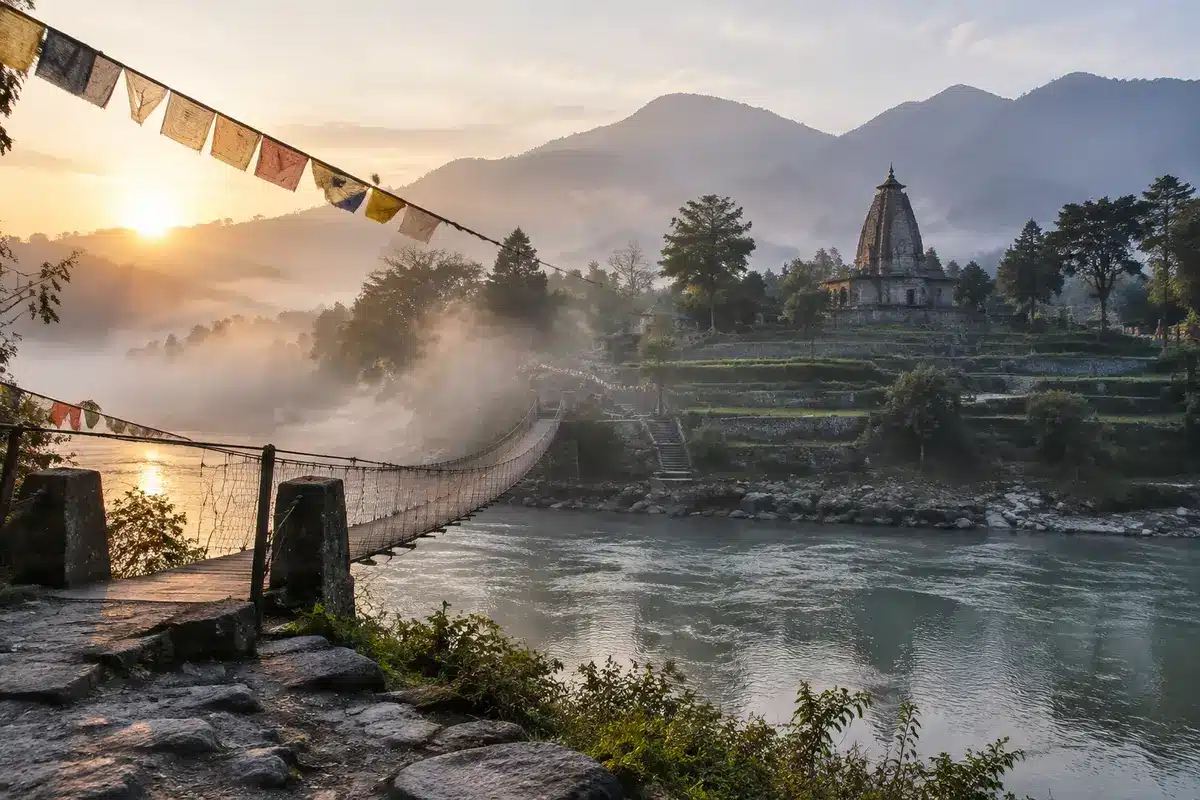
Riverside ghats in Bihar, eastern Uttar Pradesh, Jharkhand and Nepal’s Terai are the festival’s historic centers, but Chhath is now observed by communities worldwide. In places lacking a natural waterbody, families recreate the setting on terraces or in courtyards using containers of water. The essential elements are purity, communal participation and adherence to ritual order, not the location itself.

First-time participants are usually accompanied by experienced observers. Preparations often begin days in advance, and entire neighborhoods can become involved in food preparation, lantern arrangements and crowd coordination.
Community and civic implications
Large gatherings at riverbanks and public ponds can lead to temporary traffic diversions, increased demand for sanitation services and concentrated pressure on local infrastructure. Municipal authorities in many cities typically coordinate crowd management, lighting and safety for the festival; worshippers should check local guidance and plan travel accordingly.
- Expect early-morning and late-evening crowds at ghats and nearby roads.
- Bring warm clothing for pre-dawn prayers in November climates.
- If attending a large public ceremony, follow any directions from local organizers and emergency services.
Chhath remains a vivid example of a living tradition that blends ancient solar worship with contemporary communal life. This week’s observances are both a personal act of devotion and a civic event that shapes urban rhythms across affected regions and diasporic communities worldwide.