Show summary Hide summary
If a colleague has invited you to a Diwali celebration or you’ve noticed bright lamps and colourful patterns around town, this quick guide explains what to expect and how to be a thoughtful guest. The festival’s main public day falls on 8 November 2026, and for many Indian families it serves as the year’s central family holiday—so a little preparation matters.
What the festival means now
Diwali—also called Deepavali in many regions—is a multi-day Hindu festival that marks renewal, family, and the triumph of good over adversity. While local stories and rituals differ across India, the mood is the same: homes are refreshed, lights are placed everywhere, and people gather to share food and gifts.
Diwali survival guide for first-time guests: dress, gifts and must-haves
Tilak: what the forehead mark reveals about faith, identity and politics today

Different communities connect the holiday to different myths: in northern India it often commemorates Lord Rama’s return home, in the south it can celebrate Krishna’s victory over a demon. Regardless of the origin story, the public effect is unmistakable—streets and homes glow, and social life pauses for reunion and celebration.
Practical tips for guests
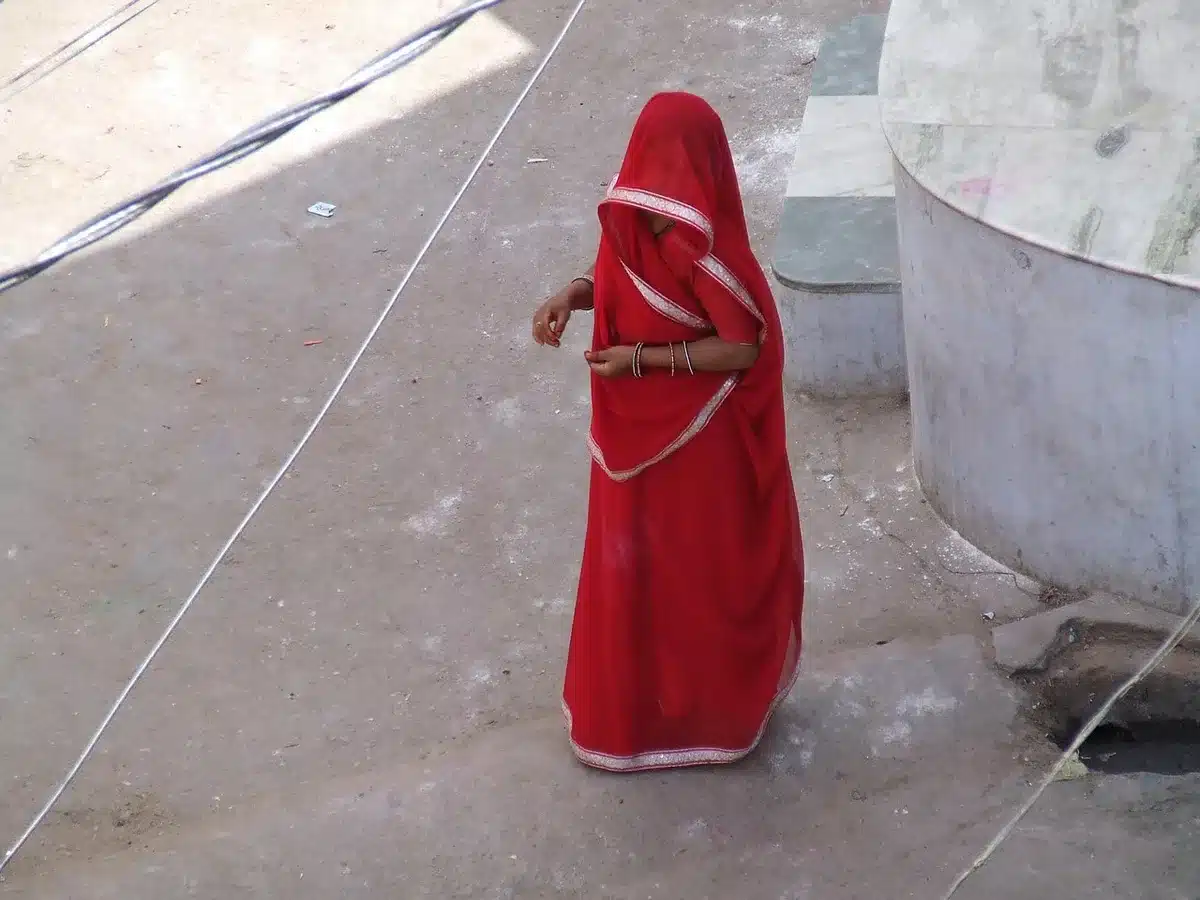
- Dress: Festive, smart clothing is appropriate. Wearing traditional Indian garments such as a kurta or sari is welcomed but not required. Bright colours suit the occasion—try to avoid head-to-toe black.
- Gifts to bring: A box of sweets from an Indian sweet shop (mithai), a packet of dry fruits, or fresh flowers are well received. Be cautious with alcohol, leather goods, or items containing beef or gelatin—many households observe vegetarian practices on festival days.
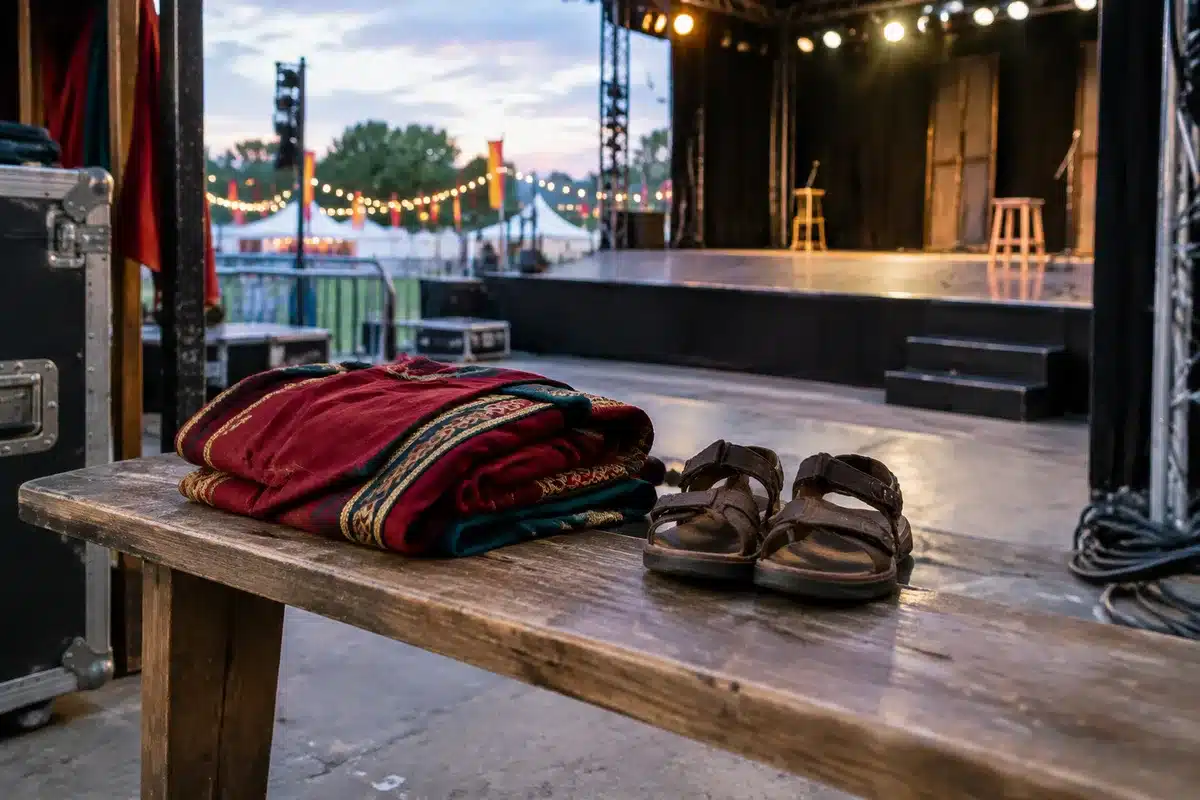
- Shoes: Hosts commonly ask guests to remove shoes at the door. Comfortable or decorative socks are useful.
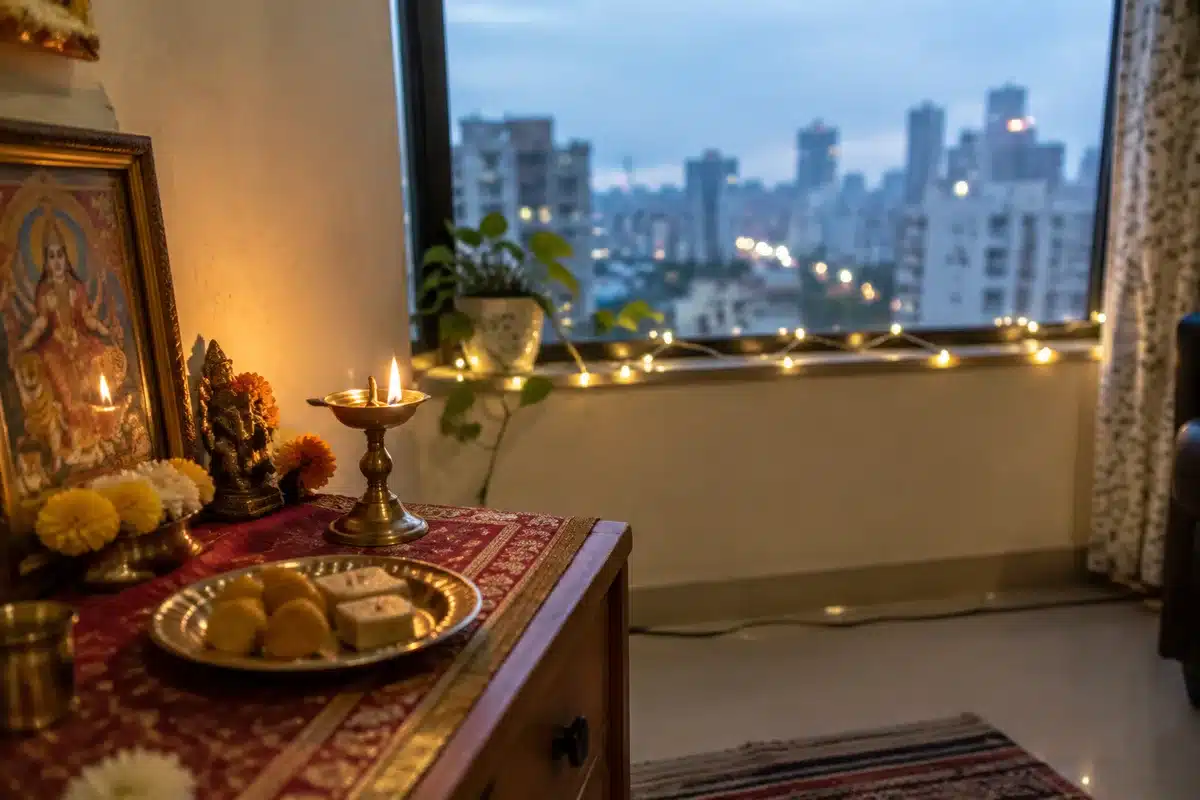
- Puja: If the family performs a short worship ritual (puja) or lights lamps, guests are usually invited to watch or stand respectfully with folded hands. You won’t be required to participate beyond that; accepting a small portion of prasad (blessed food) afterward is polite.
A quick do/don’t at a glance
| Do | Don’t |
|---|---|
| Bring sweets or flowers | Bring beef-based or gelatin desserts |
| Wear bright or festive clothing | Assume business as usual—avoid scheduling important meetings |
| Accept a small portion of prasad | Ignore requests to remove shoes |
Small courtesies and practicalities
Greeting hosts with “Happy Diwali” or “Shubh Deepavali” is appreciated. If you have pets, plan ahead: fireworks are common in many places and can distress animals. In dense urban areas, smoke and small fireworks can cause discomfort; consider a mask if you are sensitive to smoke.
Also keep in mind that Diwali week functions like a major national holiday for many Indians. If you work with teams in India, avoid booking major deadlines or expecting full availability during the festival window.
Want to mark the day yourself?
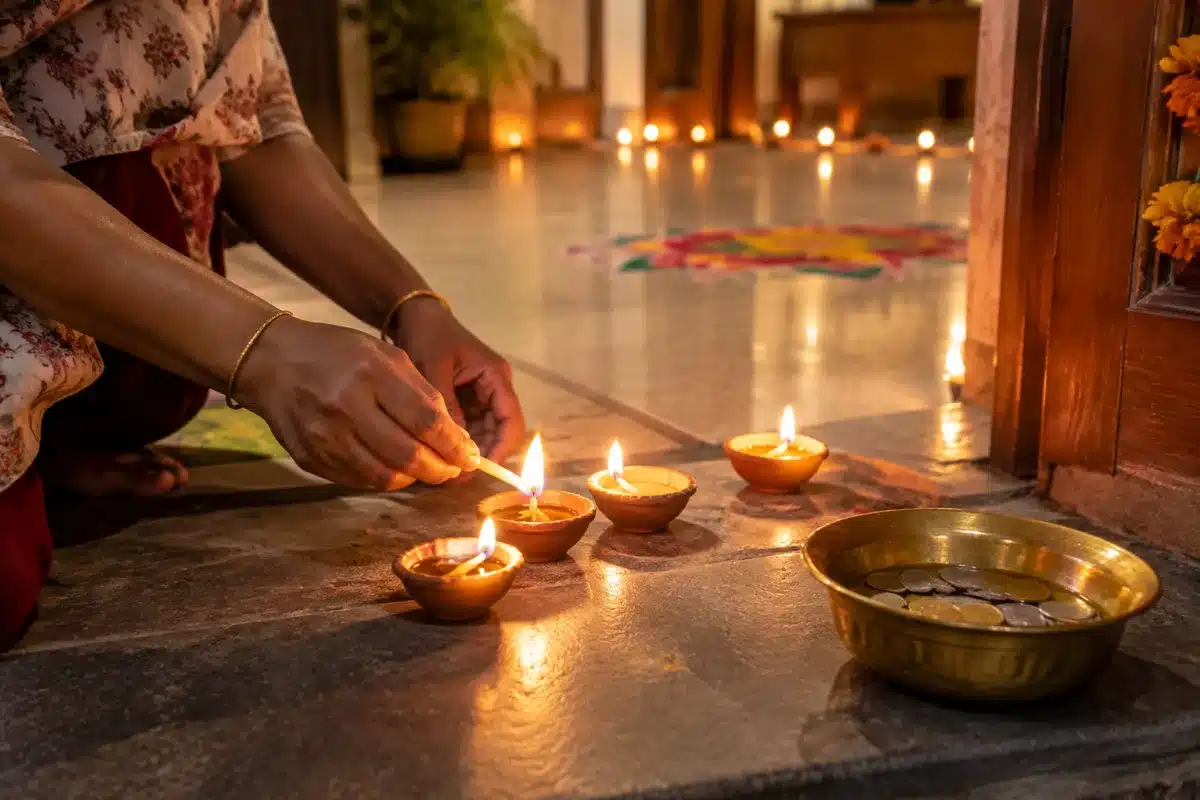
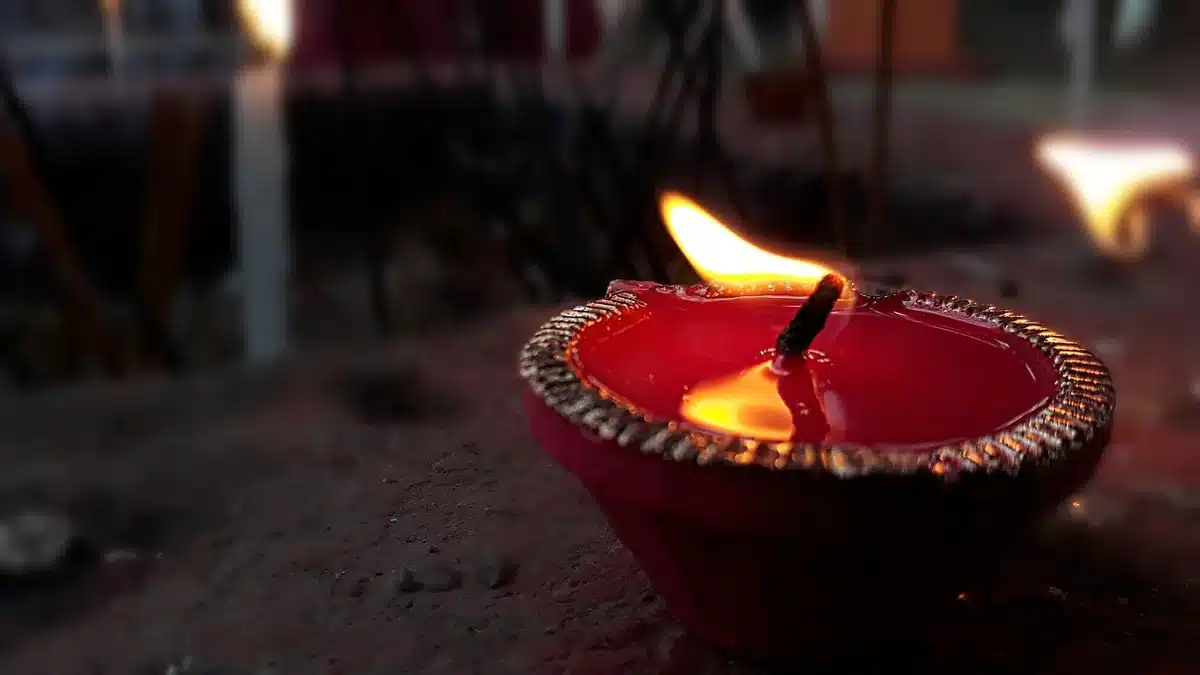
Participating can be simple and meaningful. Place a small oil lamp or candle in a window on the evening of 8 November 2026 as a quiet gesture of the festival’s central idea: sending light into the dark.
Sharing a box of sweets with neighbours, making a modest rangoli (a floor pattern made from coloured powders or flower petals), or preparing one traditional sweet at home are all accessible ways to join in without deep ritual knowledge.
The heart of Diwali is a practical one: a chance to refresh, reconnect and start anew. You don’t need to observe the religion to appreciate that impulse—showing respect, attending, or simply lighting a candle captures the spirit.