Show summary Hide summary
On Tuesday, 20 October 2026, households, workshops and offices across India observed a familiar pause: tools were cleaned, garlands draped and lamps lit as part of Ayudha Puja. The ritual, held on Vijayadashami — the tenth day that concludes Navratri — is both a moment of cultural memory and a practical reset for the year ahead.
What Vijayadashami commemorates
Vijayadashami literally means “day of victory.” In Hindu tradition it marks the end of Goddess Durga’s nine-night battle against Mahishasura and, in another strand, Lord Rama’s triumph over Ravana — events celebrated in different regions with distinct public rituals, from effigy burnings in the north to royal processions in the south.

Beyond mythic imagery, the day functions as a calendar hinge: people often begin new enterprises, open accounts, or start courses on Vijayadashami because it is considered an auspicious moment to move from celebration back into productive life. That practical habit explains why the festival still registers in offices, factories and classrooms today.
Supreme Court quota decision: BJP says it exposes opposition’s vote-bank tactics
Didgeridoo and sitar electrify Purana Qila: Indigenous Australia meets Indian classical
Why instruments are honored
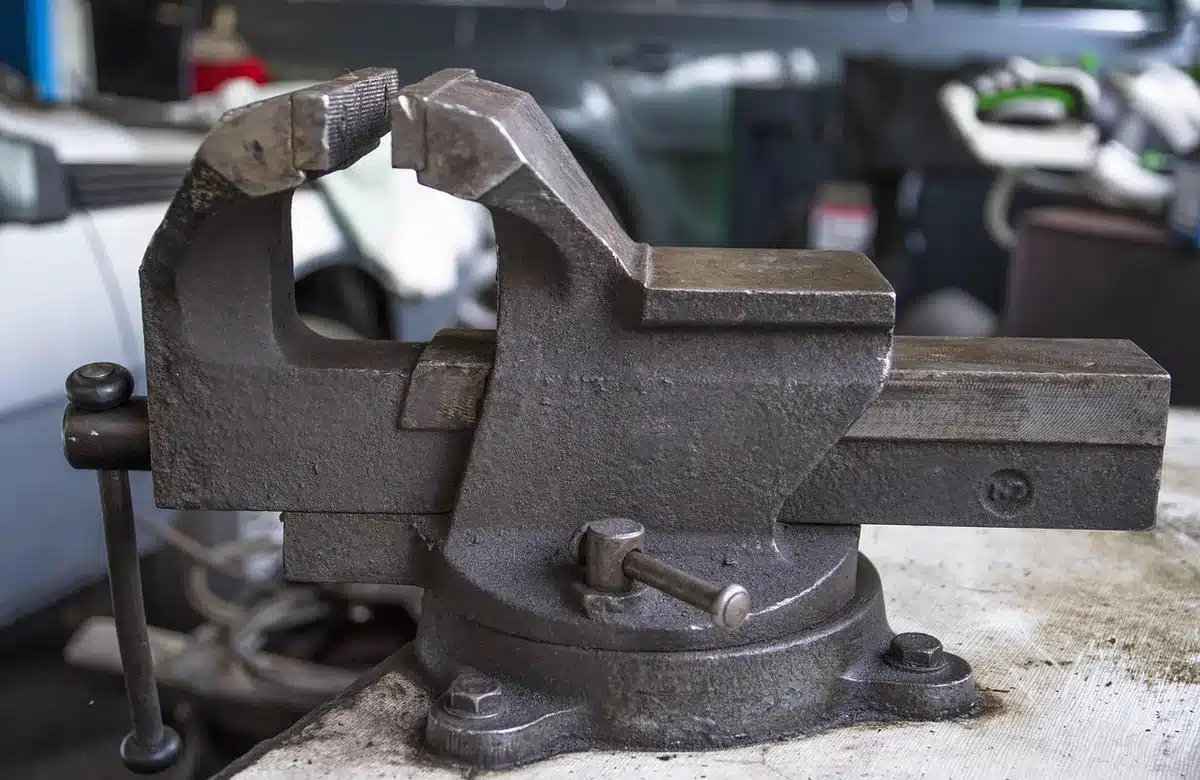
The central idea of Ayudha Puja is straightforward — and quietly modern: the implements you rely on are acknowledged as extensions of skill and livelihood. For one day these items are set aside from routine use, cleaned, decorated and offered respect. The practice connects household repair tools to temple iconography, and industrial machines to domestic implements.
Stories attached to the custom range from the Pandavas retrieving their weapons from the Shami tree after exile to wider philosophical teachings that link craft and duty to the divine. Still, the everyday meaning is often more immediate: a ritualized moment to inspect, maintain and mentally recommit to the instruments that shape daily work.
How regions observe the ritual
Local customs give Ayudha Puja a very different cast around the country. In Kerala and Tamil Nadu, the emphasis often shifts toward education; children are given their first writing lessons in a rite called Vidyarambham. In Mysuru, the royal traditions of Dasara make the day a state-level spectacle, with decorated processions and temple ceremonies.
Across industrial belts in Tamil Nadu and Karnataka, factory floors are swept and machines are garlanded; in some places workers break a white pumpkin as a talisman against the evil eye. In Maharashtra and parts of Karnataka, small green leaves from the Shami or Apta tree are exchanged as tokens of goodwill — a symbolic substitute for gold.
How to mark Ayudha Puja at home
- Clean the instruments of daily life: kitchen tools, bicycles or cars, the laptop, phone or tools you use at work.
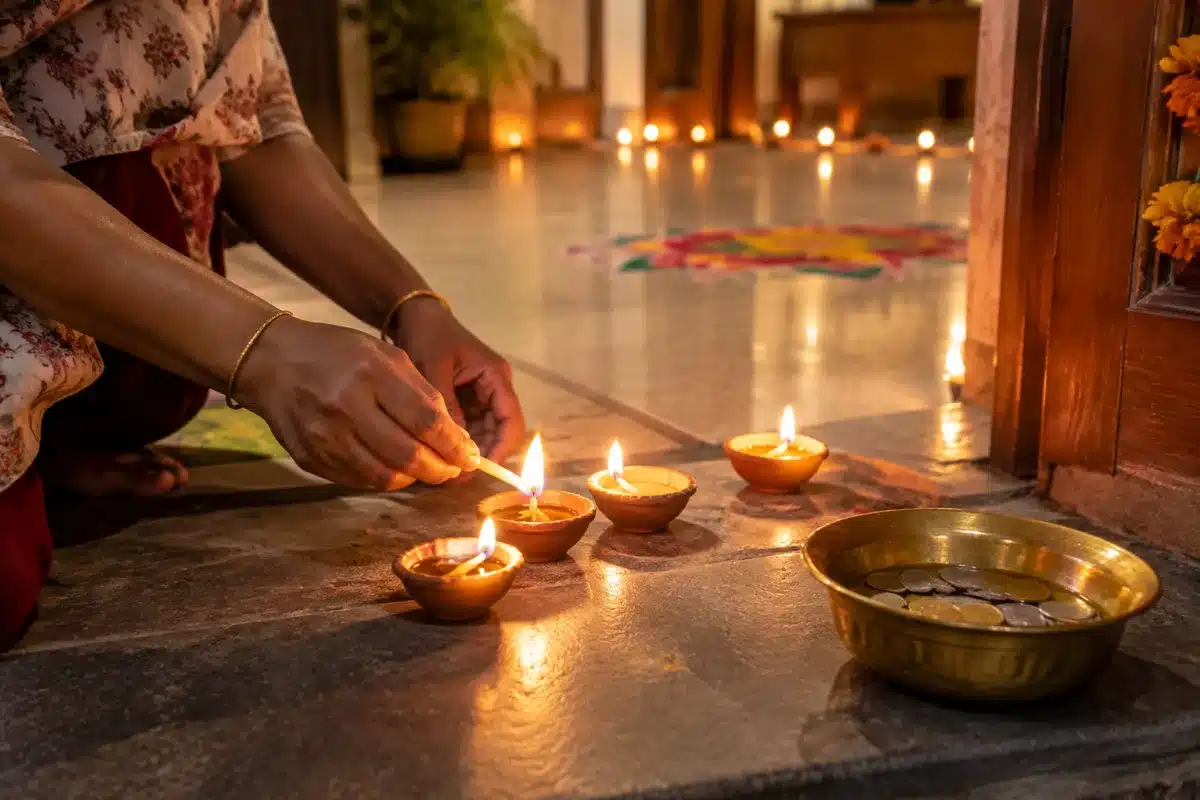
- Arrange them before a lamp or family altar, apply a small tilak, offer flowers and light incense.
- If you have young children, introduce a simple first-writing ritual — a letter traced in rice or on a slate echoes Vidyarambham.
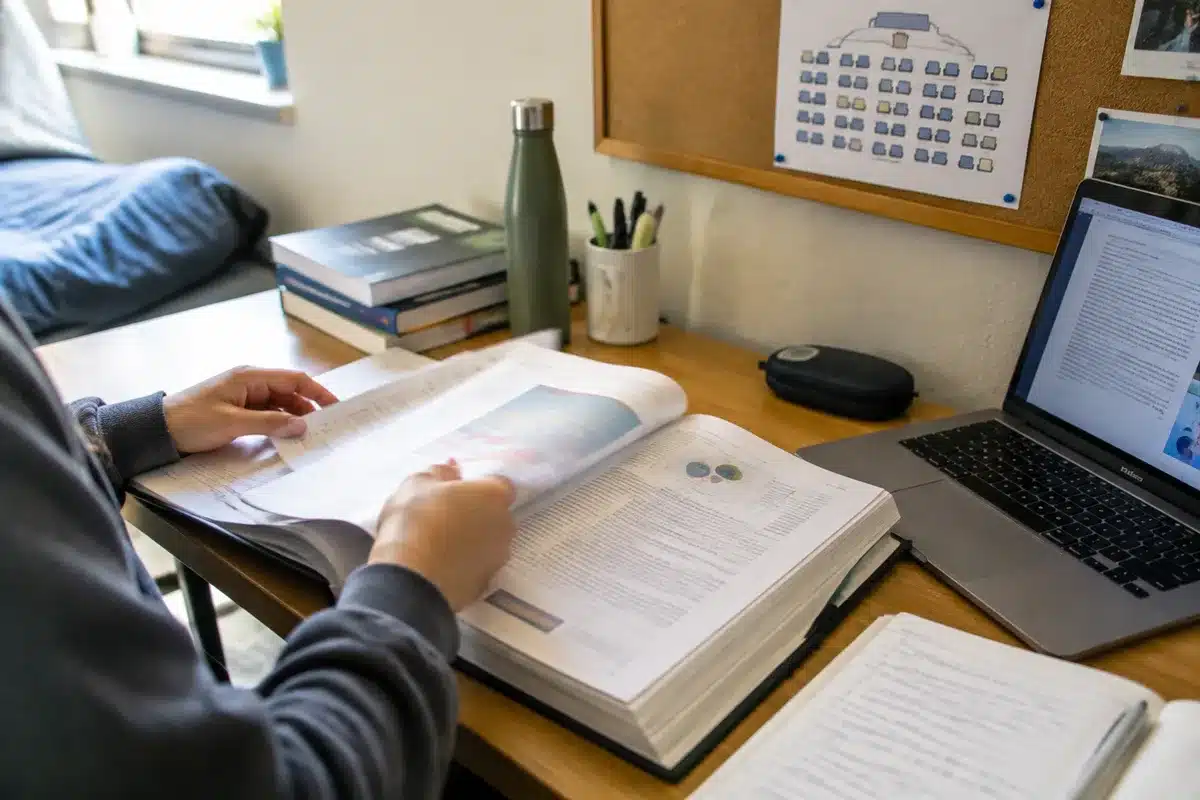
- Consider starting a modest new habit today: a savings plan, a reading goal or an online course. Vijayadashami is traditionally seen as a fortunate day to begin.
- Exchange Shami/Apta leaves where the custom exists; the gesture expresses goodwill and continuity.
These steps require no specialist knowledge or costly purchases — the point is to pause, inspect and renew. For businesses and freelancers, the ritual can double as a practical checklist: clean equipment, back up data, schedule maintenance and set short-term goals.

On a symbolic level, Ayudha Puja reframes ordinary objects. A mechanic’s wrench, a teacher’s chalkbox, a programmer’s keyboard — all become instruments through which people translate intention into results. The ceremony asks: how would work change if we treated our means with a little more care?
What this means today
In an era of rapid technological turnover and gig economy work patterns, the festival’s core lesson remains relevant. Briefly honoring the tools of your trade creates a rhythm of maintenance and reflection that reduces waste, prevents breakdowns and protects livelihoods.
For readers: observing a small ritual on Vijayadashami can be both culturally meaningful and practically useful — a simple way to mark an end and a deliberate beginning, whether you are turning the page on a personal project or restarting a workplace after holiday downtime.