Show summary Hide summary
As autumn deepens and communities prepare for Diwali, the Hindu month of Kartik is once again returning as a time when light takes center stage in religious and social life. Beyond the familiar Diwali rituals, a string of regionally rooted observances — each with its own stories and practices — unfolds across the subcontinent and in diasporic communities, shaping local calendars, travel and public gatherings this season.
Lakshmi Puja: the evening of welcome and household renewal
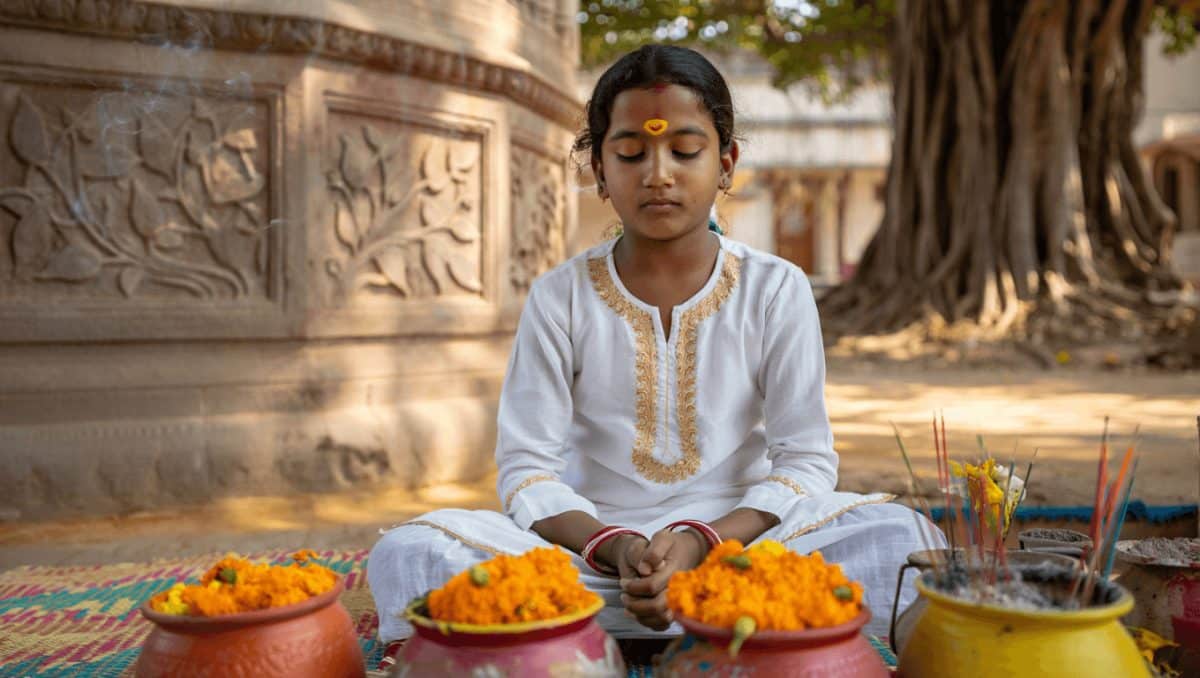
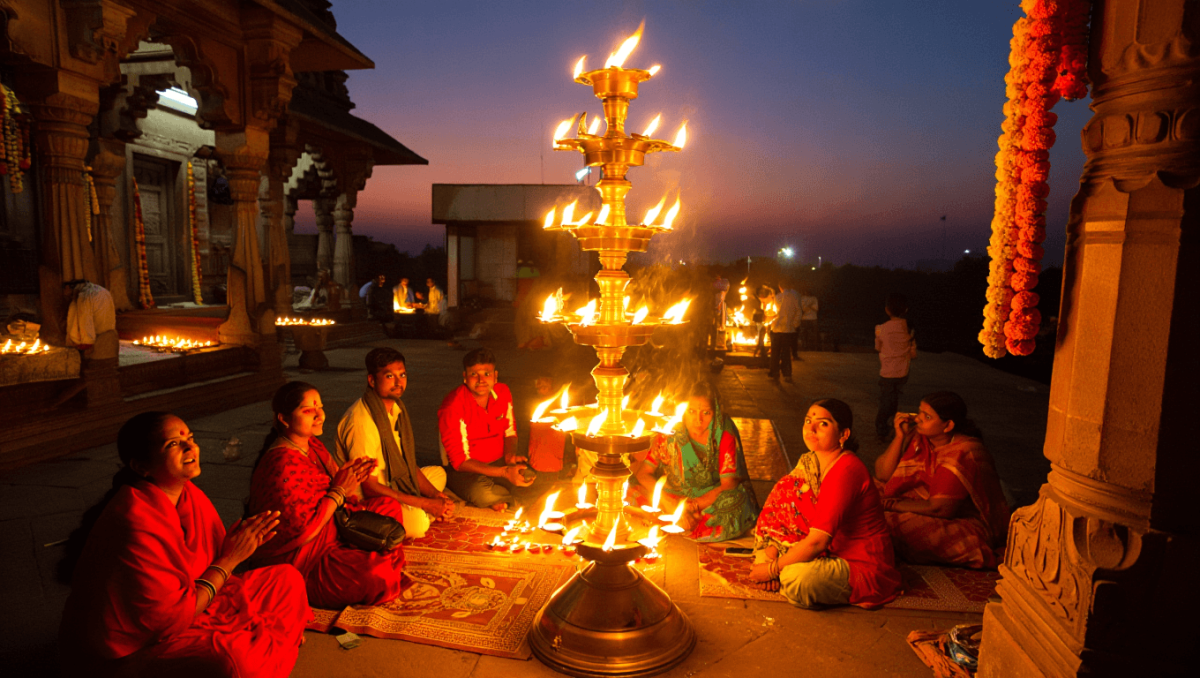
On the night many people call Diwali, families focus worship on Lakshmi, the goddess associated with prosperity and well‑being. Preparations are deliberate: homes are cleaned and decorated, altars are arranged, and new clothes and festive foods mark the occasion.
Shah Rukh Khan used the name Abinav to ease in-law worries: Gauri adopted Ayesha during nikaah
Javed Akhtar hails Hindu festivals as cultural glue: throwback of atheist celebrating resurfaces
Lamps and clay diyas are lit not only as a symbolic welcome for the goddess but also to set a tone of gratitude and hope for the year ahead. In parts of western India the day following Diwali is treated as a new year’s start, giving the rites a practical dimension: financial accounts, business openings and social visits often align with these observances.
Chhath Puja: devotion to the Sun at riverbanks
Chhath Puja is an intense, four‑day observance that honors the Sun — and a motherly consort figure linked to dawn. It is most widely practiced in Bihar, Jharkhand, eastern Uttar Pradesh, adjoining areas of Madhya Pradesh, and parts of Nepal.
- Day 1 — Nahay Khay: Devotees begin with ritual bathing in a river or pond, prepare simple, pure food, and observe a day of discipline.
- Day 2 — Kharna: A day of strict fasting that concludes in the evening with an offering accepted as prasada.
- Day 3 — Sandhya Arghya: The central rite: devotees assemble at water’s edge at sunset to offer oblations, sing hymns and light lamps that float on the water.
- Day 4 — Usha Arghya: Before dawn, worshippers return to the water to present final prayers to the rising sun.
These gatherings draw large crowds to shorelines and riverbanks, which has practical effects on transport and local services during the season. Municipalities and event organizers typically plan crowd‑management and sanitation measures around Chhath dates.
Karthigai Deepam: a southern celebration of light
In South India and parts of Sri Lanka, Karthigai Deepam is a prominent festival during Kartik. The observance is linked to several stories, the best known of which describes Shiva manifesting as an endless column of light to settle a debate among gods.
Homes are decorated with lamps and floral patterns called kolams; families fast and then illuminate their courtyards at dusk. The spectacle is most dramatic at temples and pilgrimage sites — notably at Thiruvannamalai, where a giant hilltop lamp is lit each year and is visible for miles, drawing tens of thousands of circumambulating devotees.
Urja Vrata and devotional lights in the Vaishnava tradition
Urja Vrata is observed by devotees within Krishna‑centred traditions during Kartik. The month also carries the epithet Damodar, recalling childhood pastimes of Krishna that emphasize the power of love and devotion.
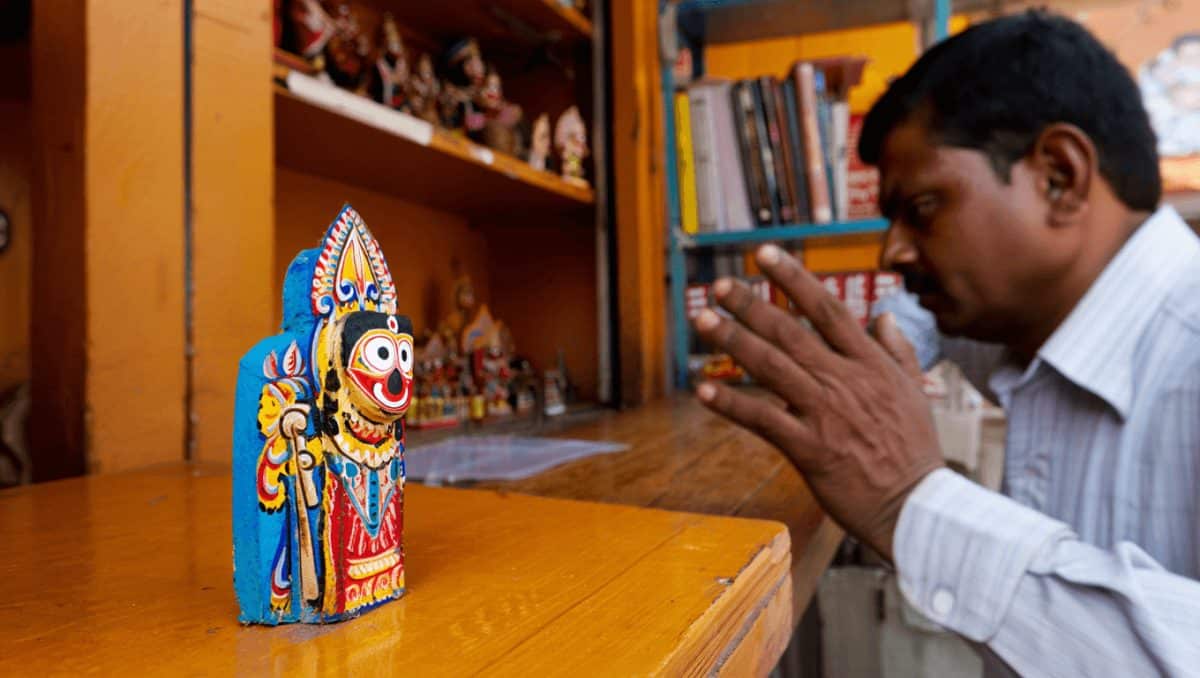
The practice centers on repetitive devotional singing, household observances and the offering of light as an expression of bhakti. For many adherents this season is an inward, daily discipline rather than a single communal festival, though temples and small congregations do gather for special services.
| Festival | Timing | Core focus | Typical observances | Primary regions |
|---|---|---|---|---|
| Lakshmi Puja | Diwali night (Kartik) | Household prosperity and blessings | Lamp lighting, shrine offerings, home cleaning | All over India and diaspora communities |
| Chhath Puja | Sixth day of Kartik (four-day observance) | Gratitude to the Sun and dawn goddess | Bathing, fasting, riverbank arghya at sunset and dawn | Bihar, Jharkhand, eastern UP, parts of Nepal |
| Karthigai Deepam | During Kartik | Honoring light as a manifestation of Shiva | Kolam designs, household lamps, temple illuminations | South India, Sri Lanka |
| Urja Vrata | Throughout Kartik | Bhakti and devotional empowerment | Daily prayers, kirtan, offering lamps | Vaishnava communities across regions |
The month of Kartik knits together private devotion and public ritual. For readers planning to attend any events: expect larger crowds at pilgrimage sites and riverbanks, altered transport schedules, and an uptick in local markets selling lamps, flowers and sweets. For those following from afar, these observances offer a lens into how communities mark transitions, express gratitude and invest ordinary time with symbolic light.