Show summary Hide summary
Across generations, parents have remained the primary custodians of many Hindu life-cycle rites — or samskaras — shaping a child’s identity and place in the family. As families navigate changing social norms, travel, and the aftermath of the pandemic, the way these rituals are performed is shifting quietly but significantly.
What parents do and why it matters now
Traditionally, samskaras mark transitions: birth, first feeding, hair-cutting, naming and more. When parents lead or commission these ceremonies, they decide how ancient practices adapt to contemporary concerns — from public health and legal records to cultural transmission in diasporic communities.
Pune sees new conversion-law FIRs, citywide food-safety raids and Tiranga Yatra traffic chaos
Dating app co-founder ignites uproar over foot-touching filial ritual: respect must be earned
That choice has practical consequences. Small adjustments in timing, scale or location affect family budgets, documentation (for example, names recorded on official certificates) and which community networks a child will grow up connected to. For many younger parents, these rites are less about strict ritual prescription and more about creating a meaningful familial milestone that fits modern life.
Common samskaras parents typically oversee
- Namakarana — Naming ceremony held within days or weeks of birth; often the first public presentation of the child to family and friends.
- Annaprashana — The child’s first introduction to solid food, sometimes accompanied by symbolic offerings and blessings.
- Mundan — First haircut, which carries spiritual and social symbolism in many communities.
- Birthday and community rites — Milestones that, while not classical samskaras in every tradition, now serve similar social functions.
How the practice is evolving
Recent years have seen several trends: smaller, home-centered ceremonies after pandemic restrictions; hybrid events with family joining remotely; and in the diaspora, modifications to fit local laws and temple access. These changes reflect parents’ efforts to balance continuity with convenience.
In urban settings especially, many parents prioritize the personal meaning of a rite over strict adherence to textual prescriptions. That has led to a pragmatic redistribution of roles: priests often provide guidance, while parents determine timing, guest lists, and how rituals are framed publicly — for example, keeping ceremonies brief or combining multiple rites into a single gathering.
Practical implications for families
Parents’ decisions about samskaras influence several concrete outcomes:
- Documentation: The name and date used in a naming ceremony are frequently carried into legal records.
- Community ties: Choosing a temple or a family elder to officiate can cement social bonds.
- Costs and logistics: Smaller ceremonies reduce expense but may reshape expectations for extended family.
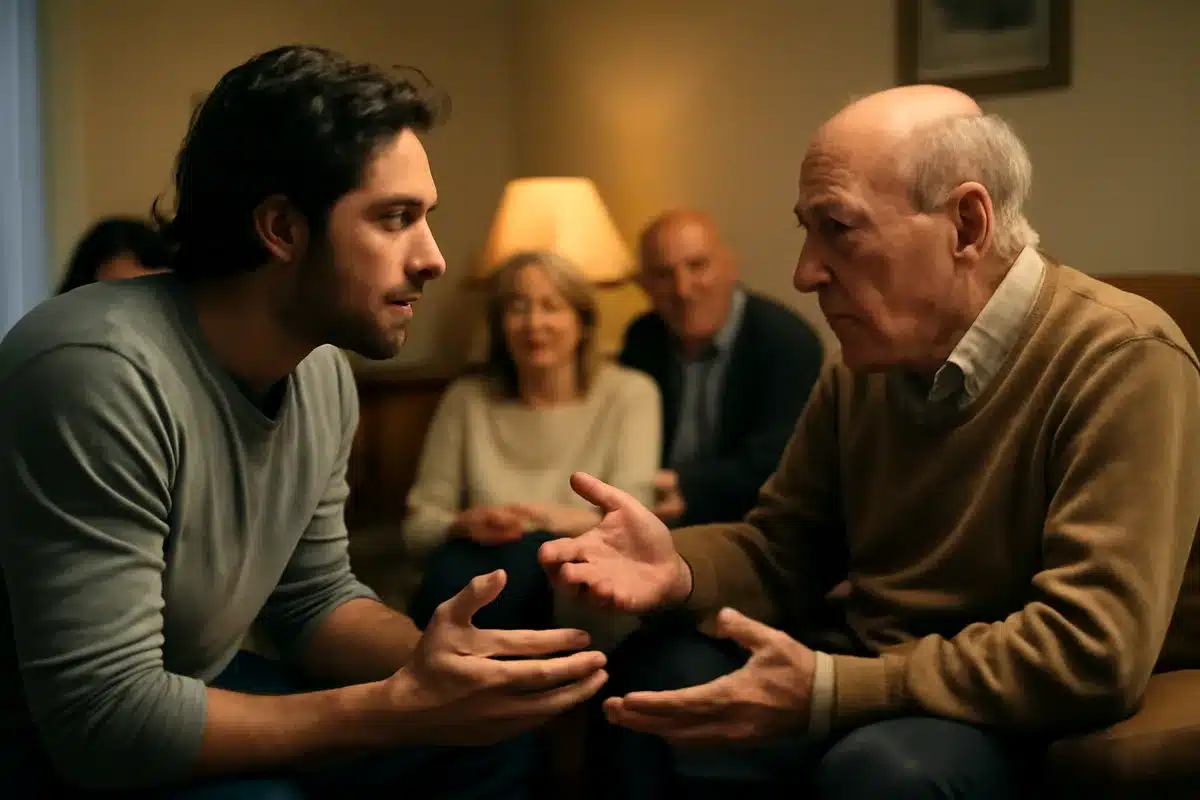
- Intergenerational dynamics: Negotiating the form of a rite can highlight differences in religious interpretation between parents and grandparents.
Voices from the home
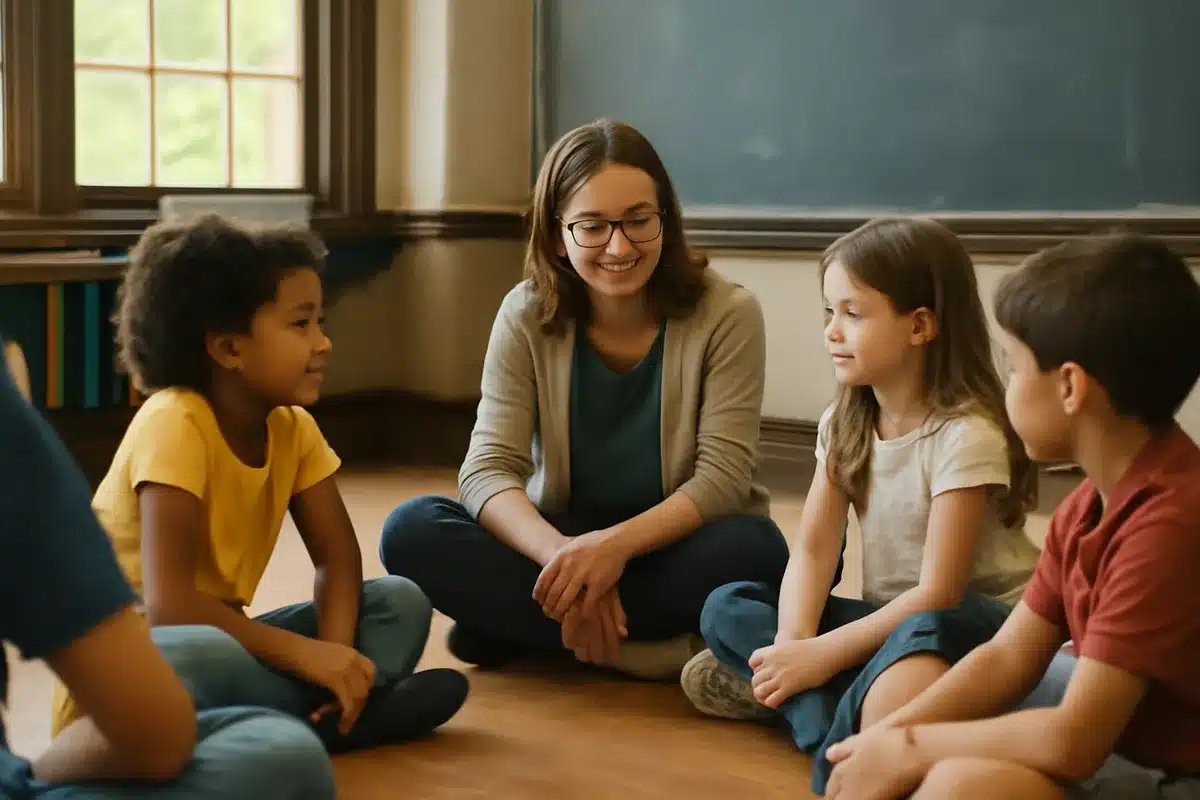
Parents often describe these rites as touchpoints for teaching values and history. Some see the ceremonies mainly as cultural markers; others emphasize spiritual continuity. The result is a spectrum of practice, from near-traditional observance to pared-down, symbolic acts tailored to contemporary family life.
That diversity also raises questions about preservation and interpretation. When rituals are shortened or reinterpreted, what elements should be retained so the rite still functions as a meaningful rite of passage? Who gets to decide — parents, elders, or religious authorities?
Quick reference: Typical timing and focus
| Rite | Typical timing | Primary focus |
|---|---|---|
| Namakarana | Within first few weeks | Assigning a name; social recognition |
| Annaprashana | Around 6 months | First solids; nourishment and blessing |
| Mundan | Anywhere from infancy to early childhood | Purification and new phase of life |
These timelines vary regionally and by family tradition, and many parents adapt them to fit medical advice and scheduling constraints.
Looking ahead
As communities continue to disperse and lifestyles change, the role of parents in performing samskaras will remain central — but not static. The ceremonies are likely to keep evolving as families negotiate meaning, practicality and belonging. Observers of these shifts say one constant remains: parents want ceremonies that both honor heritage and work for the life they are building.
For readers considering these rites for their own children, the current moment offers an opportunity to reflect: what aspects of a samskara are essential to your family’s identity, and which can be reshaped to fit contemporary life without losing meaning?