
Show summary Hide summary
- 1. Lock in your panda before booking travel
- 2. Three days is the practical minimum
- 3. Expect a dry riverbed — and a surprising tenderness
- 4. Bring a prepared list, but buy the kit there
- 5. Be at the ghat before sunrise
- 6. A daughter can perform the rites
- 7. The Vishnupad shrine is symbolic, not the whole ceremony
- 8. Entry rules and practical limitations
- 9. Money: where it goes
- 10. Visit Bodh Gaya, but not on the day of rites
- 11. The final sankalp is for the living
When my father died in February 2024, the rituals at home felt contained and familiar. Yet, when my aunt casually said, “You’ll have to go to Gaya,” that small sentence opened a gap in what I thought I knew — and sent me searching for practical guidance on a rite that most websites reduce to dates and formulas. What follows is the honest, on-the-ground account of what a three-day pind-daan in Gaya actually looks and feels like, plus the concrete tips I wish someone had given me before I arrived with my father’s photograph in my bag.
1. Lock in your panda before booking travel
Every family in Gaya has, at one time or another, a local Gayawal who records names in a register. Finding that person — or a reliable replacement — should be your first step. We tracked ours through relatives and a handful of calls; if you cannot trace a family panda, a reputable coordinator can connect you to a Gayawal who maintains the family bahi.
Annamalai applauds Bhagwat’s message on Muslim inclusion in India
Navratri in Times Square goes viral: social media splits over Indian celebrations abroad
Why it matters: arriving without a confirmed panda is chaotic. I paid a coordinator to call and confirm our panda had our family entry; that single phone call saved a great deal of confusion on arrival.
2. Three days is the practical minimum
Scriptures outline a much longer ritual cycle, but today most families follow a compressed version. The typical, meaningful itinerary spans three days: the Falgu and Vishnupad on day one, Pretshila and Ramshila on day two, and Akshayavat on day three. The one-day “express” option exists and is widely used, but the longer schedule gives you space to move from performance into presence.
3. Expect a dry riverbed — and a surprising tenderness
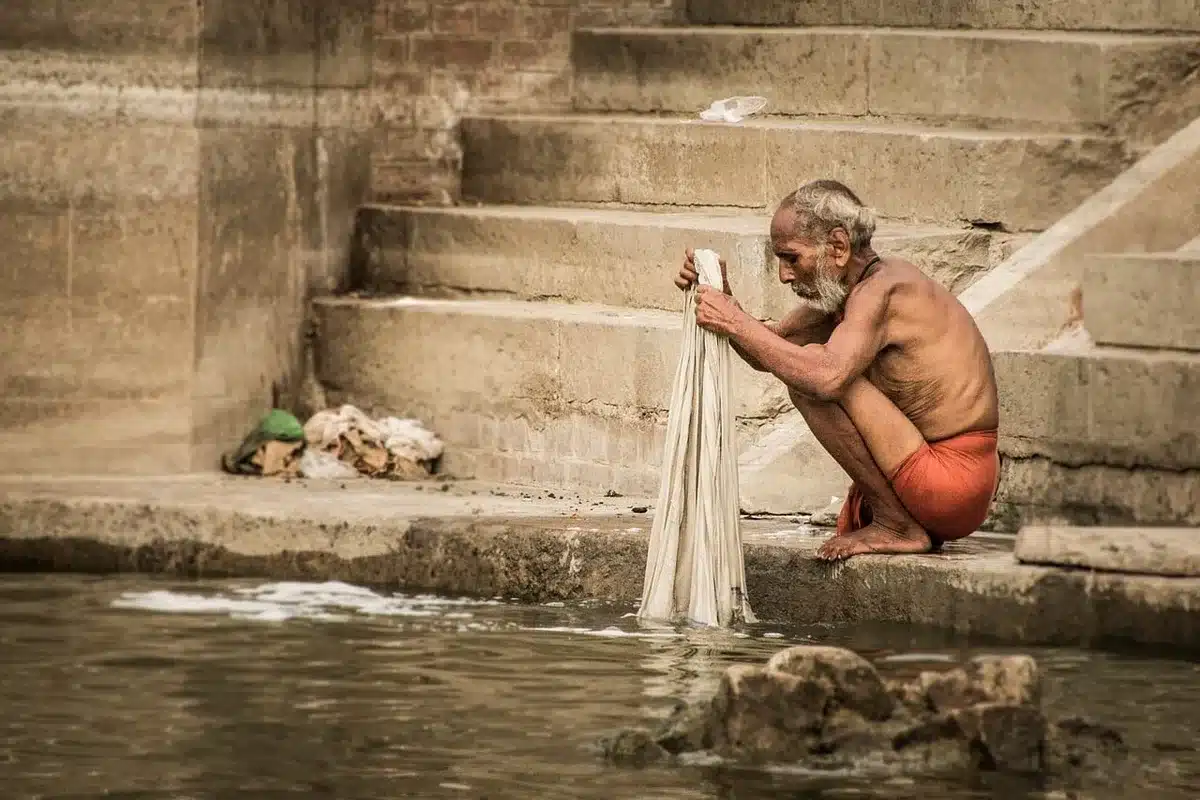
The Falgu does not behave like a flowing river; it’s a broad sandbed with a narrow trickle. You dig a little and water appears. For many families that act — scraping the sand, finding water, making offerings — is unexpectedly moving. I did not predict that the river’s dryness would be the moment my mother would break down.

4. Bring a prepared list, but buy the kit there
Pandas provide a samagri list and local shops sell ready packets. We bought a pre-packed kit rather than hauling perishable items from home. The essentials you should prepare at home are not ritual paraphernalia but records:
- A printed list of ancestor names to be recited — three generations on both sides, with spellings checked in advance.
- A clear photograph of the person, if you want it at the rite.
- A plain white dhoti or sari and simple clothing (no leather accessories).
- Sufficient cash; small transactions on the ghat at dawn often need notes.
5. Be at the ghat before sunrise
We took an overnight train and were met at the station early; that early pickup was more useful than I imagined. The panda told us to be at the ghat by 5:30 a.m.; the itinerary sheet said 6:30. Take the panda’s time. By 7 a.m. the sand is full and space to sit becomes scarce. If your tithi allows, schedule the ritual a few days before the end of Pitru Paksha to avoid the crush.
Our hotel was a short walk from Vishnupad — simple, clean and close. That’s the right call: proximity matters more than comforts when your days begin before dawn.
6. A daughter can perform the rites
If you’re a woman wondering whether you can take part: many pandits and scriptures allow daughters to perform tarpan and related acts. Some traditionalists may object, so ask the panda beforehand and, if needed, find one who is clear and supportive. In our case, my sister stood with me through all three days.
7. The Vishnupad shrine is symbolic, not the whole ceremony
The black stone footprint at Vishnupad is small — roughly the size of a footprint — and placing a pind there takes less than two minutes. The long waits for darshan can be misleading: the substantive rites happen on the riverbed, at the vedis and in the interaction with the panda.
8. Entry rules and practical limitations
Be aware: the sanctum has access restrictions, and the pace of the morning rituals means someone in a hurry will find little mercy. If you plan to bring a friend who is not part of the family or is of another faith, check the temple’s rules ahead of time.
9. Money: where it goes
Expenses add up in small, discrete ways. To keep the day running smoothly, agree prices beforehand and carry cash for the ghat. Below is an itemized view of what our family spent; yours will vary but the pattern is similar.
| Item | Approx. cost (₹) |
|---|---|
| Panda’s dakshina (three days) | 11,000 |
| Samagri packet | 1,500 |
| Brahmin bhojan (11 priests) | 3,300 |
| Gau daan (symbolic) | 1,100 |
| Small local extras (helpers, gate/seat fees) | 2,600 |
| Total for our four-person group (on-ground) | 19,500 |
We also paid a coordinator for logistics — station pickup, three nights’ stay near Vishnupad, a car for local travel and someone to call if something went wrong. That package cost more than the on-ground expenses, but it bought calm and removed the need to micro-manage while we were at the ghats.
10. Visit Bodh Gaya, but not on the day of rites
Bodh Gaya is about 12 km away and offers a different kind of quiet. After three days of ritual sound and ritual duty, half an hour under the Bodhi tree felt restorative in a way I hadn’t anticipated. If you can, keep that morning separate from the pind-daan schedule.
11. The final sankalp is for the living
At Akshayavat on the third day the panda leads a sankalp — a vow that the ritual is complete and the family will not carry the debt forward. The words are ancient, but the effect is practical: the ritual marks an ending for the mourners as much as for the departed. I arrived thinking I was doing this for my father; I left with a sense that the rite had been necessary for me.
Practical closing notes:
- Confirm the panda’s full fee and what it covers before you travel.
- Arrive at the ghat well before sunrise and expect crowds on Amavasya.
- Pack the printed ancestor list and plain clothing; buy the local samagri packet instead of transporting perishables.
Pitru Paksha 2026 runs 26–27 September to 10 October (Sarva Pitri Amavasya). Sharad Navratri begins 11 October.